
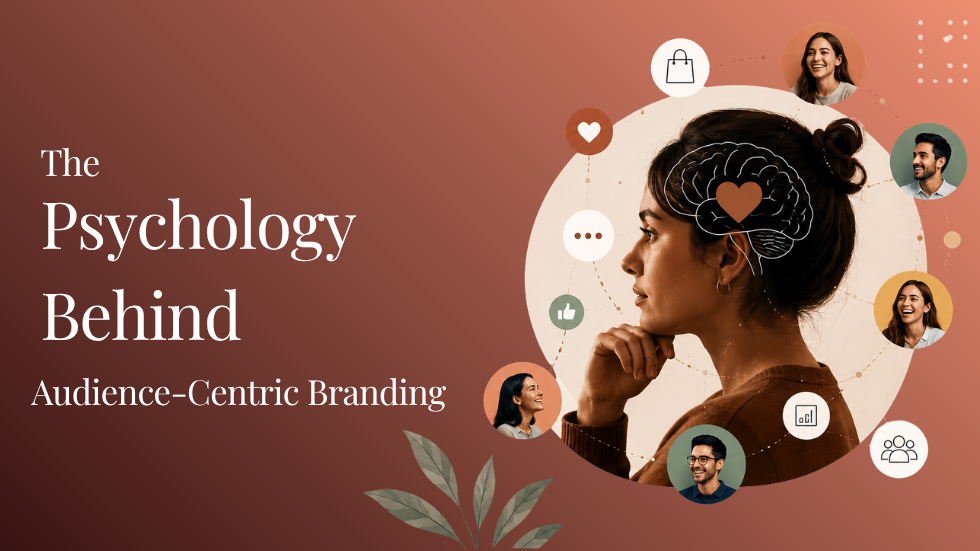
A few years ago, brands believed that if a product was good enough, people would automatically buy it. Today, that’s no longer true. People don’t just buy products anymore — they buy feelings, experiences, and stories they can connect with. That’s exactly where audience-centric branding comes in.
Think about it for a second. Why do some brands instantly feel relatable while others feel cold and forgettable? It’s psychology. The brands that truly stand out are the ones that understand how people think, what they feel, and why they make decisions.
People Want to Feel Seen
Imagine walking into a store where nobody understands your taste. Every product feels random, every message sounds generic, and nothing feels personal. You’d probably walk out within minutes because there’s simply no emotional connection.
Now imagine another brand speaking directly to you. The colors feel familiar, the language sounds like your personality, and even the advertisements seem designed for your lifestyle. That connection is not accidental — it’s carefully built through audience-centric branding.
People naturally connect with things that reflect their identity. The stronger that emotional connection becomes, the stronger the brand loyalty gets.
Branding Is More Emotional Than Logical
Most people assume customers make buying decisions logically, but psychology says otherwise. Emotions usually drive decisions first, while logic comes later to justify them. That’s why branding plays such a powerful role in purchasing behavior.
Think about someone paying extra for coffee from a premium café even when cheaper options are available nearby. They are not just buying coffee. They are buying a lifestyle, a feeling, and an experience that makes them feel a certain way.
Audience-centric brands understand this deeply. Instead of focusing only on selling products, they focus on creating emotional meaning around those products.
The Power of Belonging
Humans naturally want to belong somewhere. It’s one of the strongest psychological needs we have, and successful brands know how to tap into it. They don’t just create customers — they build communities.
When people wear certain sneakers, use certain phones, or post about certain cafés online, they are often expressing identity. In many ways, branding becomes a social signal that tells the world who they are.
A great brand quietly communicates:
- “You belong here”
- “These people are like you”
- “This brand understands you”
And once people emotionally attach themselves to that identity, they tend to stay loyal for years.
Why Some Brands Feel Human
Have you noticed how some brands talk like real people while others sound robotic? That difference matters far more than businesses realize. Audience-centric brands study how their audience speaks, jokes, reacts, and communicates online.
The result is messaging that feels familiar instead of corporate. And familiarity creates trust. Psychologically, humans trust what feels known and predictable, which is why relatable communication works so well.
This is also why consistent brand voice matters. Whether it’s a website, an Instagram caption, or a customer support reply, every interaction should feel like it’s coming from the same personality.
Storytelling Changes Everything
Facts may inform people, but stories move people emotionally. A brand could simply say, “Our skincare product hydrates your skin.” That communicates information, but it doesn’t create emotional impact.
Now compare that to a brand saying they created the product after struggling with sensitive skin themselves and feeling frustrated with products that never worked. Suddenly, the message feels human and relatable.
Stories help people visualize themselves inside the brand experience. And when people emotionally imagine themselves using a product, they become far more likely to trust and buy from that brand.
The Audience Wants Connection, Not Perfection
One of the biggest branding mistakes businesses make is trying too hard to appear perfect all the time. Ironically, audiences often connect more with authenticity than perfection because authenticity feels real.
That’s why behind-the-scenes content, founder stories, customer experiences, and casual social media moments perform so well Today. They make the brand feel alive instead of overly polished and distant.
People connect with brands that feel honest, relatable, and transparent. In the end, humans naturally connect with humans.
Attention Is Earned Emotionally
Modern audiences are overwhelmed with advertisements every single day. Most content gets ignored within seconds because people have become experts at filtering out noise online.
So how do audience-centric brands stand out? They focus on emotional relevance instead of simply being louder. They understand their audience’s frustrations, dreams, fears, and desires.
When branding taps into real human emotions, people stop scrolling because the content feels personally relevant to them.
At the end of the day, people rarely remember every product feature or technical detail. What they do remember is how a brand made them feel. That emotional memory becomes the real identity of the brand.
Audience-centric branding works because it aligns with human psychology. It understands that customers are not just buyers — they are emotional, social, identity-driven people looking for connection.
And the brands that truly understand people? Those are the brands people never forget.
FAQs
1. What is audience-centric branding?
It’s a branding approach focused on understanding and connecting with the target audience’s needs, emotions, and behavior.
2. Why is psychology important in branding?
Psychology helps brands understand what influences customer emotions and buying decisions.
3. How does storytelling help branding?
Storytelling makes brands feel more relatable, emotional, and memorable.
4. What creates brand loyalty?
Emotional connection, trust, consistency, and relatable communication build brand loyalty.
5. How can brands become audience-centric?
By researching their audience, understanding customer behavior, and creating personalized brand experiences.
