
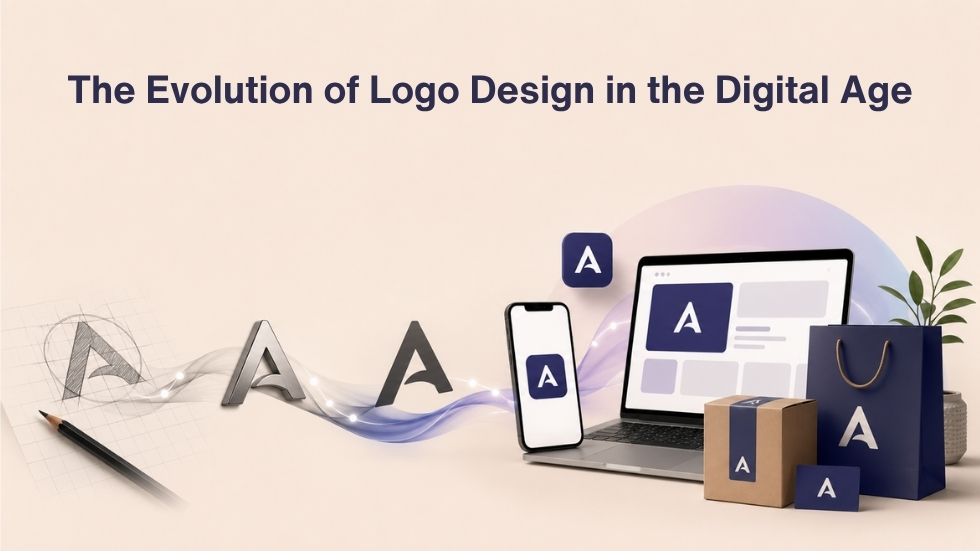
Logo design has always been much more than creating an attractive mark for a business. It is the first impression people form, the memory they carry, and often the reason they recognize a brand within seconds. Whether you’re a startup searching for a graphic design company, an established packaging design company refreshing your identity, or a growing business investing in website design and D2C Branding, one thing remains true: a logo is the face of your brand. But the logos we see today are vastly different from those created decades ago, and that transformation tells an interesting story about technology, consumer behavior, and the ever-changing digital world.
Imagine walking through a busy market in the 1980s. Every storefront competed for attention with bold colors, detailed illustrations, and decorative typography. Logos were often filled with intricate details because they were designed primarily for printed materials like newspapers, signboards, packaging, and business cards. Designers weren’t worried about how a logo would appear as a tiny app icon or on a smartwatch. Their canvas was physical, and the rules were completely different from the ones businesses follow today.
When Print Was King
Before smartphones, social media, and websites became part of everyday life, brands had a much simpler challenge. They needed a logo that looked impressive on billboards, brochures, letterheads, and product labels. Since these designs were mostly viewed up close or in large formats, they could afford to include shadows, gradients, decorative borders, and complex illustrations. The more artistic a logo appeared, the more premium a business often seemed.
This approach worked perfectly because consumers interacted with brands differently. Shopping happened in stores, advertisements appeared in magazines, and businesses relied heavily on print marketing. Even packaging design focused on making products stand out on crowded retail shelves rather than on social media feeds. Every design decision revolved around physical visibility rather than digital usability.
Then the Internet Changed Everything
The arrival of the internet didn’t immediately transform logo design, but it quietly started rewriting the rules. As businesses began creating websites, designers realized that highly detailed logos often lost their clarity on computer screens. Suddenly, logos had to work on websites, email signatures, banner ads, and digital presentations without losing their identity.
As website design became a crucial part of every business strategy, brands discovered that consistency across digital platforms mattered just as much as visual appeal. A logo that looked beautiful on a printed brochure could appear blurry or cluttered on a webpage. This forced designers to simplify shapes, improve scalability, and think beyond traditional print applications. Digital visibility became just as important as physical branding.
The Smartphone Revolution Simplified Everything
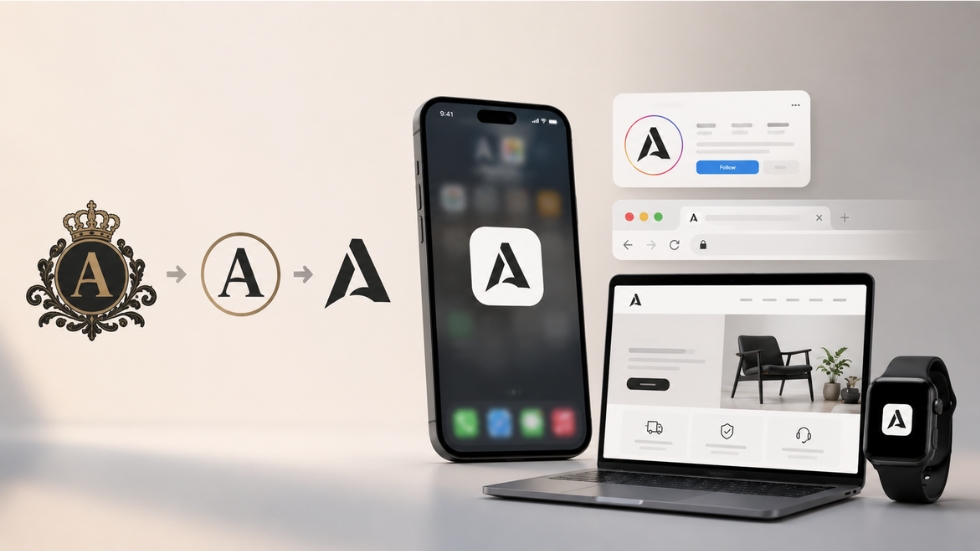
If the internet started the evolution, smartphones accelerated it dramatically. A logo now had to fit inside a mobile app icon, a social media profile picture, and even a browser favicon. Suddenly, every unnecessary detail became a disadvantage. Brands realized that simple logos weren’t boring—they were memorable, versatile, and easier to recognize across hundreds of digital touchpoints.
This shift gave rise to the minimalist design movement. Companies began removing excessive effects, flattening colors, simplifying typography, and creating cleaner symbols. The objective was no longer to impress people with complexity but to create instant recognition. In a world where users scroll through content within seconds, simplicity became one of the strongest branding tools available.
Why Minimalism Isn’t Just a Trend
Many people assume minimalist logos became popular because they look modern, but the real reason goes much deeper. A clean logo loads faster on websites, scales perfectly across devices, prints clearly on different materials, and remains recognizable even when viewed at very small sizes. It also adapts effortlessly to animations, social media posts, merchandise, and digital advertising.
Think about how often consumers encounter a brand today. They may first discover it through Instagram, visit the website later, receive an email newsletter, and eventually purchase a product. Throughout this journey, the logo appears repeatedly across multiple platforms. A simple and adaptable design ensures that every interaction strengthens brand recognition rather than creating inconsistency.
Also Read: Why Some Logos Last For Decades While Others Fade Away
The Rise of D2C Brands Changed Branding Forever
The explosion of e-commerce brought another significant shift in logo design. Direct-to-consumer businesses no longer depended entirely on retail stores. Instead, they sold directly through their websites and social media channels. This meant every visual element had to build trust instantly because customers couldn’t physically experience the brand before making a purchase.
This is where D2C Branding and D2C packaging design became incredibly important. Packaging was no longer just about protecting a product during shipping; it became part of the customer’s overall experience. The logo had to look equally impressive on a mobile screen, a shipping box, custom tissue paper, thank-you cards, and unboxing videos shared across social media. One consistent visual identity connected every touchpoint and helped brands create memorable customer experiences.
Today’s Logos Need to Be Flexible
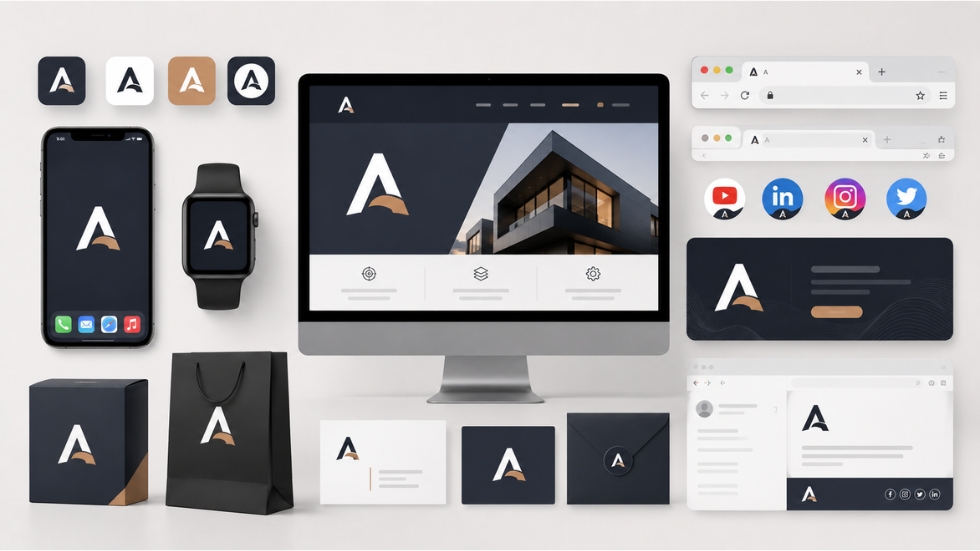
Modern logo design is no longer about creating a single version and using it everywhere. Brands now require complete logo systems. There may be a full logo for websites, a simplified icon for mobile apps, a monochrome version for packaging, a favicon for browsers, and an animated variation for digital campaigns. Every version must feel connected while serving a different purpose.
This flexibility has become essential because customers interact with brands across dozens of platforms every day. From YouTube thumbnails and LinkedIn banners to product packaging and email signatures, logos need to remain recognizable regardless of size, color, or background. The best designs are those that adapt effortlessly without losing their personality.
Technology Is Giving Designers New Possibilities
Modern design tools have transformed not only how logos are created but also how quickly ideas can be explored and refined. Designers can now experiment with typography, layouts, colors, and icons in real time, allowing businesses to evaluate multiple creative directions before making a final decision. What once took weeks of manual revisions can now happen much faster without compromising creativity.
However, technology has not replaced human thinking. The strongest logos still come from understanding a brand’s mission, audience, and long-term goals. Software can generate shapes and ideas, but it cannot replace the strategic thinking that turns a simple symbol into an identity people trust and remember. Great logo design continues to balance creativity with purpose.
What the Future of Logo Design Looks Like
Logo design will continue evolving alongside technology, but its purpose will remain the same: helping people instantly recognize and connect with a brand. We are already seeing responsive logos that automatically adapt to different screen sizes, animated logos that enhance digital storytelling, and dynamic identities that change based on context while maintaining brand consistency.
As artificial intelligence, augmented reality, and immersive digital experiences become more common, logos may become even more interactive. Yet despite these innovations, the brands that succeed will still focus on clarity, consistency, and emotional connection rather than chasing every new trend. A timeless logo will always outperform one that simply follows the latest design fad
The evolution of logo design reflects the evolution of how people communicate, shop, and interact with brands. From detailed illustrations created for print to clean, adaptable identities built for digital platforms, every stage has been shaped by changing technology and customer expectations. Today, a successful logo is not just visually appealing—it is flexible, memorable, and capable of representing a brand across countless digital and physical experiences.
Whether you’re launching a startup, rebranding an established business, or working with a graphic design company or packaging design company, investing in thoughtful logo design is one of the smartest branding decisions you can make. Trends will continue to evolve, but a logo built on strong strategy and timeless design principles will remain valuable for years to come.
