
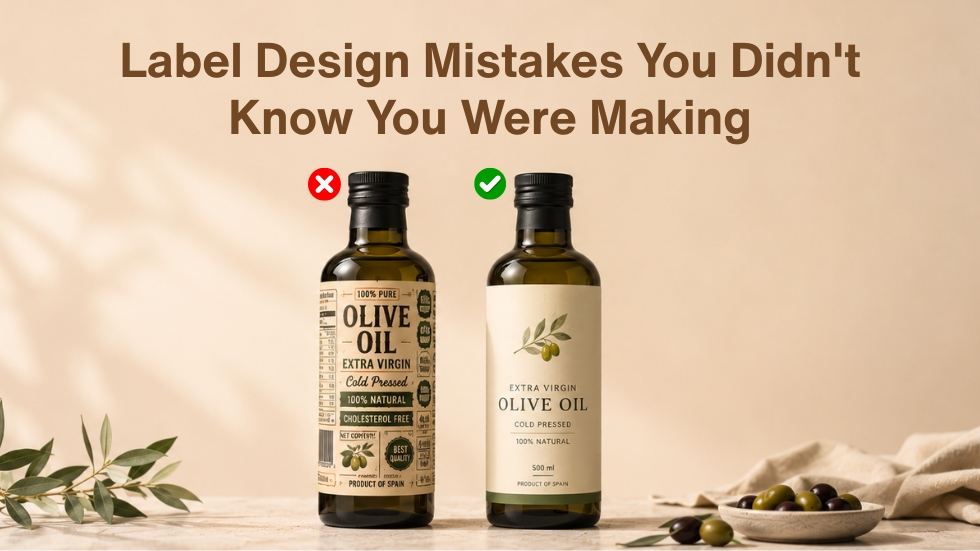
Every successful product has a story, but not every customer stays long enough to discover it. In today’s competitive market, D2C branding and packaging often becomes the first conversation a brand has with its audience, and surprisingly, that conversation usually happens without a single spoken word. A customer glances at a product for just a few seconds before deciding whether it’s worth picking up or scrolling past online. During those few moments, the label quietly answers dozens of questions. Is this product trustworthy? Is it premium? Is it worth the price? Many businesses spend months perfecting what goes inside the package but overlook the one thing that introduces it to the world. More often than not, the label isn’t failing because it looks bad. It’s failing because it’s making mistakes no one noticed.
One growing beverage startup learned this lesson the hard way. Their drinks tasted fantastic, early customers left glowing reviews, and repeat buyers kept returning. Yet sales at retail stores remained disappointingly slow. The founders assumed they had a pricing problem or a marketing issue until they watched shoppers interact with their products. People picked up the bottle, looked at it for a few seconds, frowned slightly, and placed it back on the shelf. The label wasn’t ugly, but it didn’t communicate what the product actually was. Customers left with questions instead of confidence, and those unanswered questions cost the brand countless sales.
When Your Design Talks Too Much
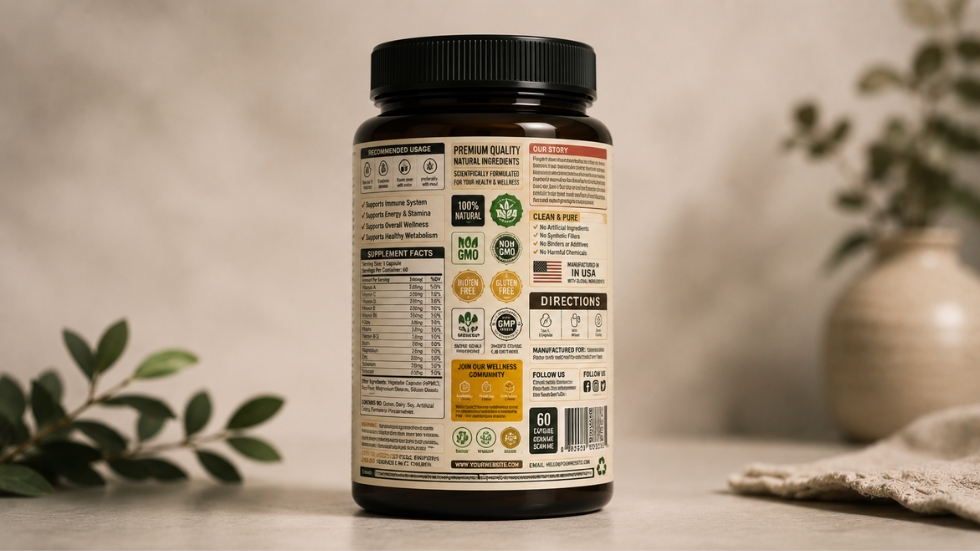
Many brands believe that every available inch of the label should be filled with information. They proudly list ingredients, certifications, benefits, brand values, manufacturing details, promotional messages, taglines, social media handles, and much more. While every piece of information may seem important internally, customers don’t process packaging that way. They scan first and read later. If the design forces them to search for the most basic details, they often lose interest before finding them.
Great packaging design doesn’t mean saying everything at once. It means deciding what deserves attention first and allowing the rest to support the story naturally. The best labels create a visual journey where customers instantly understand the product before exploring the finer details. Simplicity isn’t about removing information. It’s about presenting it in a way that feels effortless to understand.
Your Logo Can’t Carry the Entire Brand
A professionally crafted logo design is undoubtedly valuable, but many businesses expect it to perform miracles on its own. They enlarge the logo, place it at the center of every label, and assume recognition will automatically follow. In reality, customers rarely remember brands because of the logo alone. They remember how the entire product made them feel the moment they saw it.
Typography, colors, spacing, imagery, and layout all contribute to brand perception. If these elements don’t complement one another, even the strongest logo struggles to create a lasting impression. Think of the logo as the lead actor rather than the entire cast. Without a supporting visual identity, the performance feels incomplete.
Beauty Should Never Beat Clarity
One cosmetics company invested heavily in luxurious artwork that looked breathtaking on a designer’s screen. Elegant fonts, intricate floral illustrations, and metallic accents made the label appear premium during presentations. Unfortunately, once the products reached stores, customers couldn’t easily read the product name or distinguish between different variants. The design won compliments but lost clarity.
This happens more frequently than people realize. Customers shouldn’t have to solve a puzzle before making a purchase. Every decorative element should support communication instead of competing with it. Attractive labels certainly capture attention, but readable labels convert attention into sales.
Also Read: What Makes Packaging Feel Premium?
Trends Fade Faster Than Brands
Scroll through social media, and you’ll find endless advice about the latest design trends. One month it’s muted earth tones, another month it’s bold typography, and soon after, minimalism returns with a slightly different look. While trends can inspire fresh ideas, designing your labels around them alone often leads to expensive redesigns within a short period.
A reliable packaging design company understands the difference between timeless branding and temporary fashion. Strong labels feel current without becoming dependent on what’s popular at the moment. They continue building recognition year after year because they’re rooted in the brand’s identity instead of chasing changing trends.
The Online Shelf Is Just as Important
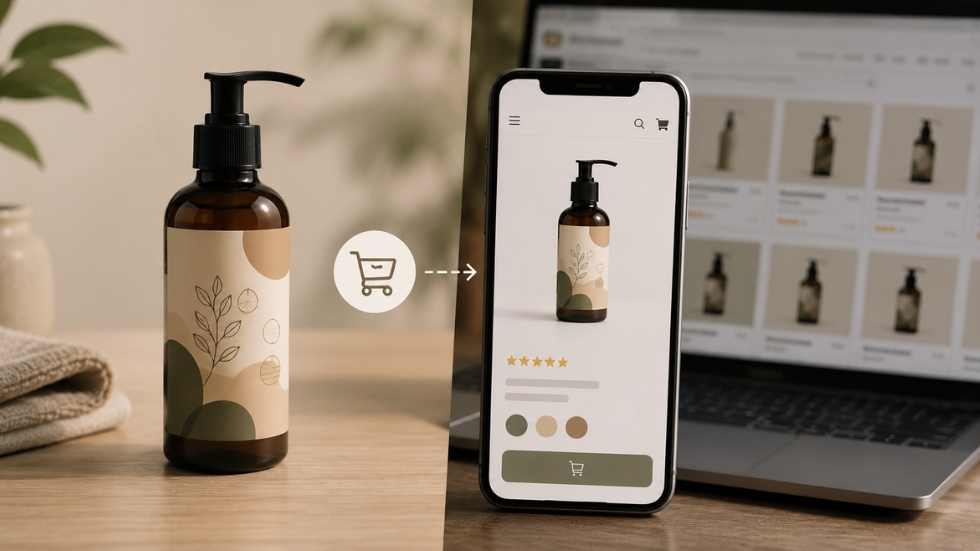
Years ago, packaging only had to perform well inside physical stores. Today, products often meet customers through an online marketplace before they ever appear in someone’s hands. A beautifully detailed label may look impressive in person but become almost unreadable as a small thumbnail on a shopping website or mobile screen.
This is why website design and packaging should never be treated as separate projects. Customers move between digital and physical experiences without thinking about it. When the visual identity remains consistent across both, the brand feels familiar and trustworthy no matter where people encounter it first.
Small Details Leave the Biggest Impressions
Sometimes the biggest design mistakes have nothing to do with creativity. Text may become difficult to read because of glossy finishes. Important information might disappear around curved packaging. Colors that looked perfect on a computer screen could print much darker than expected. QR codes may fail to scan because they weren’t tested after printing.
These practical issues rarely appear during brainstorming sessions, but customers notice them immediately. An experienced graphic design company understands that successful labels don’t stop at attractive mockups. Every design decision must survive real-world printing, handling, photography, transportation, and daily use.
Designing for Yourself Instead of the Customer
Founders naturally become emotionally attached to their products. They choose colors they personally enjoy, fonts they admire, and layouts they find aesthetically pleasing. While passion drives creativity, personal taste isn’t always the same as customer preference. A design that feels exciting to the creator might feel confusing or outdated to the audience it’s meant to attract.
Successful D2C packaging design begins by understanding customer expectations rather than personal preferences. Every design decision should answer one simple question: will this make the buying experience easier and more enjoyable? When labels are designed around customer behavior instead of internal opinions, they become far more effective at building trust and encouraging purchases.
A Label Is More Than Just a Sticker
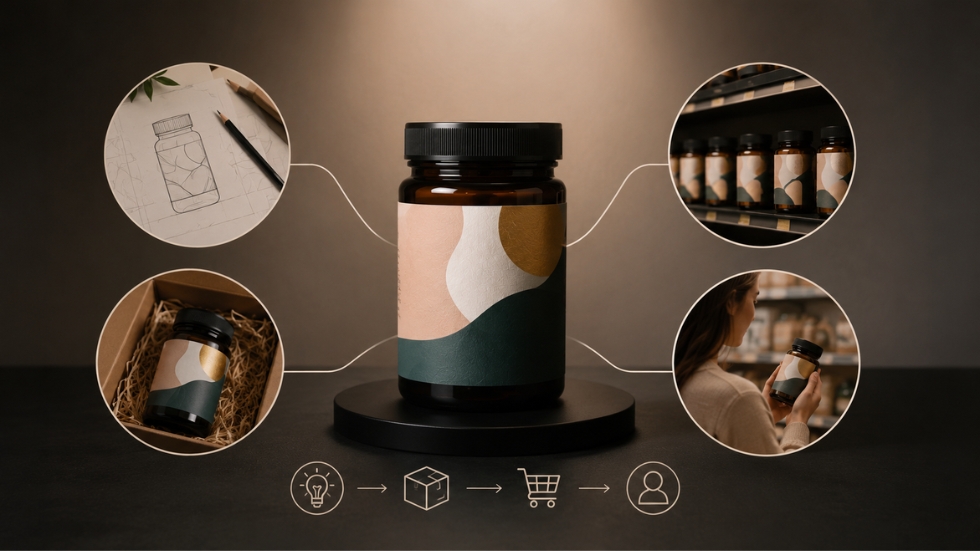
It’s easy to think of a label as the final step before launching a product, but in reality, it’s one of the first experiences customers have with your brand. Long before someone tastes your coffee, applies your skincare product, or opens your snack, they’ve already formed an opinion based on what they see. That opinion influences whether they buy the product at all.
The strongest brands understand that label design isn’t an isolated creative task. It’s a strategic business decision that shapes perception, influences purchasing behavior, and supports long-term brand recognition. When every visual element works together, the label becomes more than packaging. It becomes a silent salesperson.
Label design is full of small decisions that create a surprisingly big impact. Clear messaging, thoughtful layouts, readable typography, and consistent branding all influence how customers perceive a product within seconds. While businesses often focus on improving the product itself, refining the label can sometimes deliver equally meaningful results because it shapes the first impression customers take away.
Whether you’re launching a new product or refreshing an existing one, investing time in thoughtful design is always worthwhile. A well-designed label doesn’t simply look attractive. It communicates value, builds trust, and encourages customers to choose your product with confidence. When branding, packaging, and customer experience work together, your product doesn’t have to fight for attention. It earns it naturally.
