
A few years ago, brands had complete control over how people perceived them. Companies created advertisements, celebrities promoted products on television, and audiences simply consumed whatever message was presented to them without questioning it too much.
But social media changed everything.
Today, people trust creators, influencers, and online personalities more than perfectly polished advertisements. One honest product review, casual Instagram story, or relatable TikTok video can influence brand perception faster than an expensive marketing campaign ever could.
That shift completely transformed modern brand identity and changed how brands connect with audiences online.
People Trust People More Than Advertisements
Traditional advertisements often feel scripted and carefully controlled. Audiences know brands are trying to sell something, which naturally creates skepticism and emotional distance between companies and consumers.
Influencers changed this dynamic by making promotions feel more personal and conversational. When people see someone they follow genuinely using a product in everyday life, the recommendation feels more believable, relatable, and emotionally natural.
That emotional connection creates trust in a way traditional advertising often struggles to achieve. This is exactly why influencer marketing became such a powerful part of modern branding.
Influencers Humanize Brands
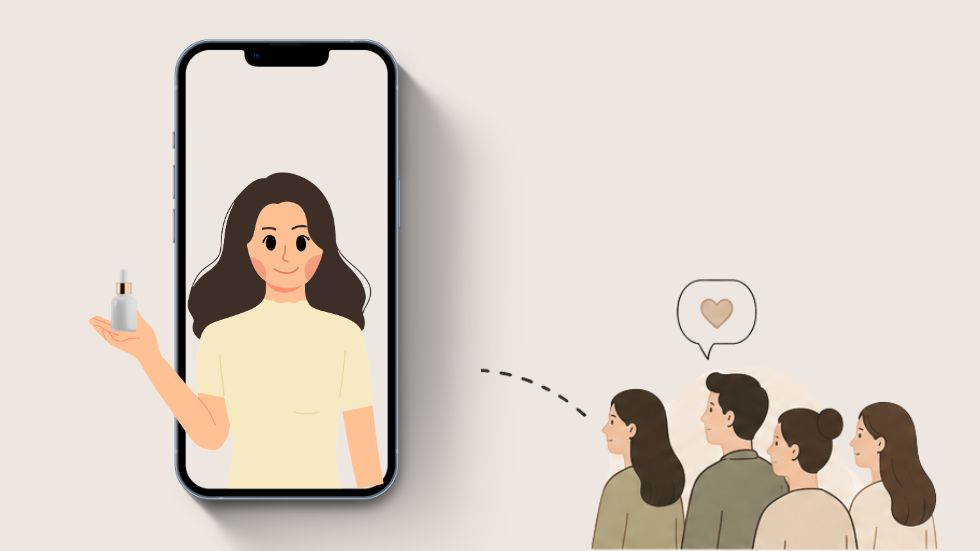
Many companies used to feel distant and overly corporate. Their communication sounded formal, polished, and sometimes emotionally disconnected from how real people actually speak and interact online.
Influencers helped brands feel more human and approachable.
Instead of perfect advertisements, audiences now see products being used casually in bedrooms, coffee shops, daily routines, and realistic situations. That natural presentation makes brands feel less intimidating and much easier to emotionally connect with.
In many ways, influencers became the bridge between companies and audiences by making branding feel more relatable and personal.
Brand Identity Is Now Built Online
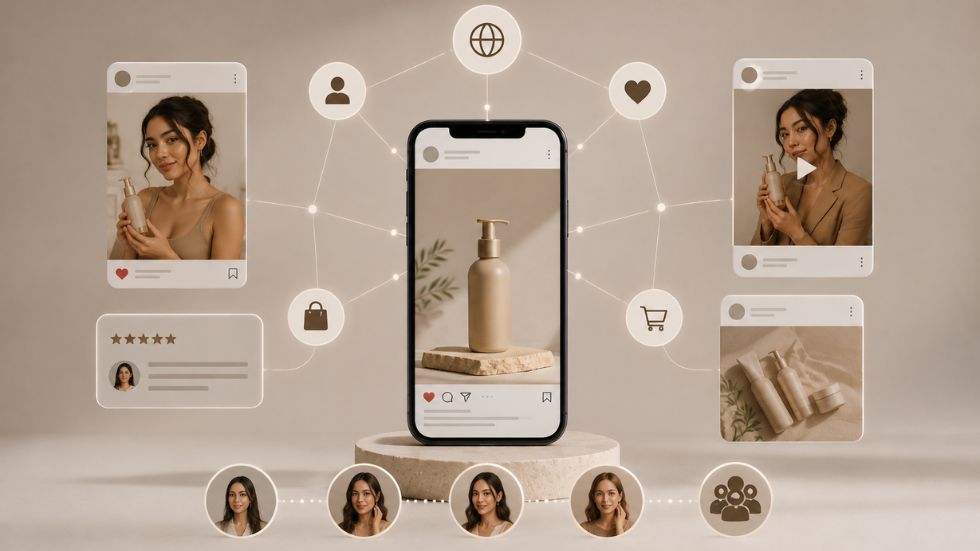
Earlier, brand identity was shaped mostly through television commercials, magazines, billboards, and physical store experiences. But today, social media plays a much bigger role in how brands are perceived by audiences.
A single influencer collaboration can instantly change how people view a company. Whether a brand feels trendy, luxurious, relatable, aesthetic, or trustworthy often depends heavily on the creators associated with it online.
That’s why brands now carefully choose influencers whose personality, content style, and audience align with their image and messaging.
The influencer is no longer just promoting the brand. They are becoming part of the brand identity itself.
Audiences Notice Authenticity Immediately
One reason influencer marketing works so well is because audiences can quickly recognize authenticity. Forced promotions, fake enthusiasm, and overly scripted collaborations usually feel obvious online.
People connect more with creators who share honest experiences, genuine opinions, and realistic storytelling instead of constantly posting sales-focused content that feels artificial or exaggerated.
This shift forced brands to completely change their marketing approach. Instead of aggressively selling products, companies now focus more on creating relatable experiences and emotional connection.
The more natural the collaboration feels, the stronger the audience response usually becomes.
Smaller Influencers Changed the Industry
For a long time, brands focused mostly on celebrities with massive audiences because bigger numbers were seen as more valuable for marketing success.
But social media introduced something even more powerful than fame alone, which is relatability and trust.
Micro-influencers often have smaller followings, but their audiences trust them deeply because the connection feels more personal, interactive, and authentic. Followers see them as real people rather than unreachable celebrities.
That’s why many modern brands now prefer community-driven influencer partnerships over traditional celebrity endorsements that feel overly commercial.
Influencers Shape Brand Culture
Influencers do much more than simply promote products now. They shape online trends, aesthetics, communication styles, fashion choices, and even consumer behavior across social media platforms.
The music used in videos, the editing style, the tone of captions, and the lifestyle attached to creators all influence how audiences emotionally perceive brands.
In many cases, people are not just buying a product anymore. They are buying into the lifestyle, personality, and identity connected to the influencer promoting it.
This is exactly how influencers became deeply connected to modern brand culture and online consumer psychology.
Social Media Made Branding Faster
Years ago, building strong brand identity took years of advertising, public exposure, and consistent offline marketing campaigns. But social media dramatically accelerated the entire branding process.
Today, one viral influencer campaign can completely change how people view a brand almost overnight. A product recommended by the right creator can instantly become desirable across multiple platforms within hours.
At the same time, negative influencer controversies can also damage brand reputation very quickly because online audiences react fast and discussions spread instantly.
Because of this, brands now pay extremely close attention to who represents them online and how those partnerships influence audience perception.
The Line Between Creator and Brand Is Disappearing
One of the biggest shifts in modern branding is that influencers themselves are becoming brands. Audiences follow creators for their personality, opinions, aesthetics, lifestyle, and emotional connection rather than just their content alone.
Over time, that personal identity becomes strong enough to launch fashion lines, beauty products, businesses, and entire brand ecosystems successfully.
This completely changed branding psychology because people no longer connect only with companies. They connect with the individuals behind the content and the lifestyle they represent online.
That emotional loyalty often becomes much stronger than traditional brand loyalty built through advertisements alone.
Influencers have completely reshaped how modern brand identity is built. They transformed branding from polished corporate messaging into something more personal, relatable, emotionally driven, and community-focused.
Today, audiences trust creators who feel authentic, transparent, and connected to real life. Because of that, influencer partnerships now influence how brands look, communicate, and emotionally connect with people online.
The brands that succeed today are not simply the ones with the biggest advertisements. They are the ones that understand how to build genuine relationships through people audiences already trust and follow daily.
FAQs
1. Why are influencers important in modern branding?
Influencers help brands feel more relatable, trustworthy, and emotionally connected to audiences online.
2. How do influencers shape brand identity?
They influence how audiences perceive a brand’s personality, values, aesthetics, and communication style.
3. Why do people trust influencers more than advertisements?
Influencer content usually feels more personal, authentic, and relatable than traditional marketing campaigns.
4. What are micro-influencers?
Micro-influencers are creators with smaller but highly engaged audiences who often build stronger trust with followers.
5. How has social media changed branding?
Social media made branding faster, more interactive, and heavily influenced by creators and online communities.
