
Not too long ago, building a successful brand seemed relatively straightforward. Create a good product, run a few memorable advertisements, maintain a professional image, and customers would eventually come. For years, that formula worked because most people focused primarily on quality, price, and convenience when making purchasing decisions.
Then a new generation entered the market and quietly changed the rules.
Today, many brands are realizing that having a great product is no longer enough. Gen Z pays attention to how brands communicate, what they stand for, how they behave online, and whether their actions match their messaging. The relationship between companies and customers has become much more personal, and that shift is transforming branding in ways few businesses expected.
Gen Z Research Brands Before They Trust Them
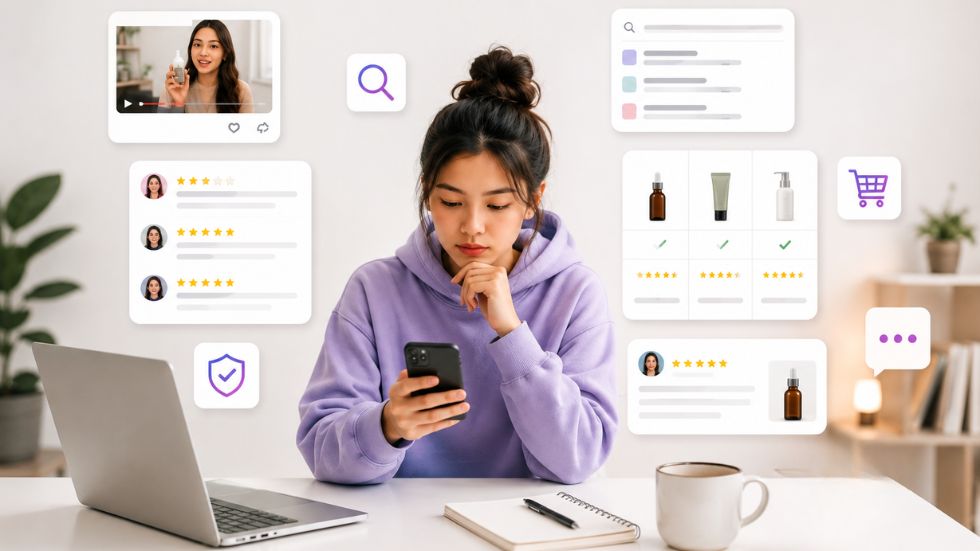
For previous generations, discovering a brand often happened through advertisements, recommendations from friends, or a visit to a physical store. Today, the journey looks very different.
Before making a purchase, Gen Z might watch creator reviews, scroll through social media comments, compare alternatives online, and search for real customer experiences. Trust is no longer built through a single advertisement or marketing campaign. It is built through multiple digital touchpoints that help people decide whether a brand deserves their attention.
This shift has forced brands to become far more transparent because audiences now have access to more information than ever before. A strong campaign may create awareness, but trust is usually earned through what people discover after they start researching.
A Brand Is Now Expected to Have a Personality
There was a time when businesses could remain neutral and purely product-focused. As long as the product worked, the branding did not need to do much more.
Today, Gen Z doesn’t just follow brands because they like what they sell. They follow brands because they enjoy how those brands communicate. Whether it’s humor, creativity, confidence, or relatability, companies are increasingly expected to develop a recognizable personality that audiences can connect with emotionally.
This is one of the biggest reasons social media plays such an important role in modern branding. Every caption, comment, reply, and video contributes to how people perceive the company. In many ways, brands are no longer competing only on products. They are competing on personality as well.
Also Read: The Psychology Behind Audience-Centric Branding
Brands Are Expected to Be More Than Products
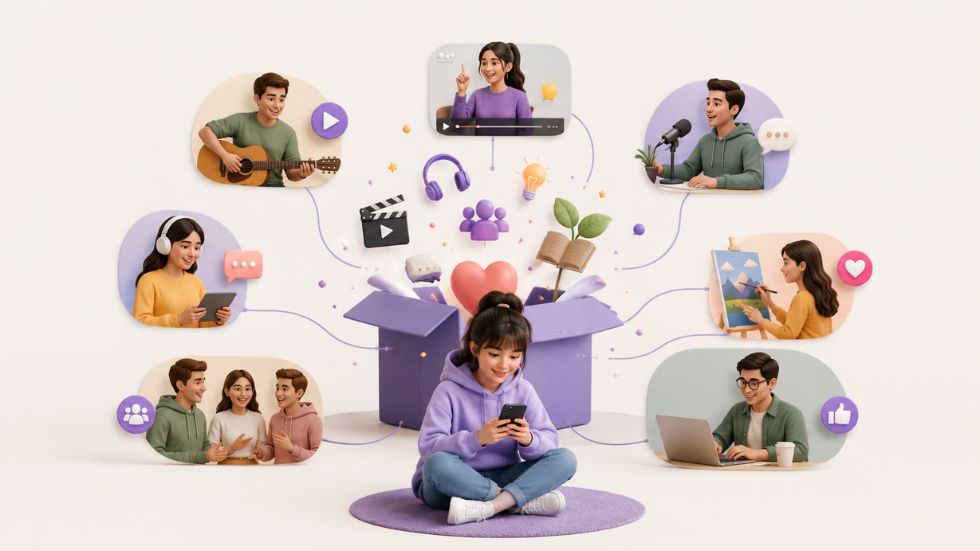
One of the biggest shifts in branding is that many younger consumers expect brands to offer something beyond a transaction.
Whether it’s educational content, entertainment, inspiration, community building, or meaningful conversations, people increasingly look for companies that add value outside of the products they sell. Brands that only show up when they want to make a sale often struggle to maintain long-term attention.
This does not mean every company needs a grand mission or a social movement attached to it. But it does mean that simply having a good product is rarely enough to stand out anymore. People remember brands that continue providing value even when customers are not actively shopping.
Social Media Became the First Brand Experience
Years ago, someone might first discover a brand through a television commercial, magazine advertisement, or physical store. Today, that first interaction is often through a social media post, short-form video, or creator recommendation.
Because of this, branding happens much faster than it used to. Within seconds, people form opinions about whether a company feels trustworthy, modern, relatable, premium, or outdated. First impressions are often created long before a customer visits a website or sees a product in person.
A brand’s online presence now shapes customer perception before a purchase ever happens. This is why businesses invest so heavily in creating strong and consistent experiences across every digital platform where audiences interact with them.
Audiences Want Conversations, Not Just Advertising
Traditional marketing focused heavily on broadcasting messages. Brands created advertisements, and customers consumed them. The relationship was largely one-sided because communication rarely flowed in both directions.
Today, audiences expect interaction.
People want brands to reply to comments, engage in conversations, acknowledge feedback, and participate in communities. They appreciate companies that listen rather than constantly trying to sell. This shift has encouraged brands to become more approachable and conversational in the way they communicate.
The companies that succeed are often the ones that make customers feel included instead of simply marketed to.
Convenience Is No Longer a Bonus

Not long ago, fast service and seamless digital experiences were considered competitive advantages. Today, they are basic expectations.
Gen Z has grown up in a world of instant information, quick deliveries, simple checkout processes, and on-demand services. Because of this, patience for friction has become much lower than it was in the past. A slow website, complicated purchase process, or delayed response can create frustration very quickly.
Brands are now judged not only by what they sell but by how easy they make the entire experience. Convenience has become so normal that people often notice its absence more than its presence.
Trends Now Influence Expectations
The digital world moves quickly. New trends, conversations, aesthetics, and behaviors appear constantly across social platforms and online communities.
Growing up in this environment has made Gen Z highly aware of what feels current and what feels outdated. Brands that ignore cultural shifts can quickly feel disconnected, while brands that understand how online culture evolves often appear more relevant and engaging.
The challenge is not following every trend that appears online. The challenge is understanding which changes genuinely matter to your audience while still staying true to your brand identity and long-term positioning.
Gen Z has fundamentally changed what people expect from brands. Products still matter, but they are no longer the only factor influencing purchasing decisions. Audiences now pay attention to transparency, personality, digital experiences, convenience, community, and the overall value a brand provides beyond its products.
As a result, branding has become more human, more interactive, and more audience-focused than ever before. Companies can no longer rely solely on advertisements to build loyalty. They need to create meaningful experiences and genuine relationships that continue long after the first purchase.
The brands that thrive in the future will be the ones that understand these changing expectations and adapt without losing the authenticity that makes them unique.
FAQs
1. How is Gen Z changing brand expectations?
Gen Z expects brands to be transparent, relatable, digitally accessible, and focused on creating meaningful customer experiences.
2. Why do younger consumers research brands before buying?
They have access to reviews, creator opinions, social media discussions, and customer feedback, making research an important part of the decision-making process.
3. Why is brand personality important today?
People connect more with brands that feel human, recognizable, and emotionally relatable rather than purely corporate.
4. How has social media changed branding?
Social media is often the first place people interact with brands, making it a major factor in shaping perception and trust.
5. What should brands do to meet modern expectations?
Brands should focus on transparency, strong customer experiences, consistent communication, convenience, and building genuine relationships with their audience.
