

A graphic design company hears this sentence surprisingly often: “We think it’s time for a rebrand.” Sometimes it comes from a startup that’s been around for only a year. Other times, it’s from a business that has served customers for decades. The reasons always sound convincing. Sales have slowed down. Competitors suddenly look more modern. The website feels old. Social media engagement isn’t what it used to be. Changing the brand seems like the obvious next step.
But here’s something many businesses discover too late: redesigning a brand is easy compared to rebuilding the recognition you’ve already earned. Before replacing your logo, changing your colors, or redesigning every customer touchpoint, it’s worth asking a more important question. Is your brand actually the problem, or is it simply carrying the blame for something else?
A New Look Won’t Fix the Wrong Problem
Imagine owning a bookstore that has been part of the neighborhood for years. Recently, fewer customers have been visiting, and online sales have slowed. After a team meeting, everyone agrees the branding feels outdated. A new logo is designed, the storefront gets repainted, and the website receives a fresh appearance.
Six months later, nothing has changed.
The real issue wasn’t the visual identity. Customers had started shopping elsewhere because delivery was slower than competitors, the online checkout was confusing, and inventory wasn’t updated regularly. The redesign made the business look different, but it didn’t solve the reasons customers were leaving.
This is one of the biggest mistakes businesses make. They confuse branding with business performance. Branding influences perception, but it can’t compensate for operational problems. Before changing how your business looks, understand why customers are behaving differently in the first place.
Ask Yourself One Honest Question
Before approving a redesign, ask yourself something simple.
“If we kept our current branding but fixed every customer complaint tomorrow, would we still want to redesign it?”
That single question often changes the entire conversation.
Sometimes the answer is yes. Perhaps your business has expanded into new markets, changed its services, or evolved beyond the identity it originally launched with. In those situations, redesigning makes sense because the business itself has changed. Other times, however, the desire for change comes from familiarity. The team sees the logo every single day, while customers may still see it as recognizable, trustworthy, and memorable.
The goal isn’t to impress the people inside the business. It’s to serve the people outside it.
Customers Remember More Than You Think
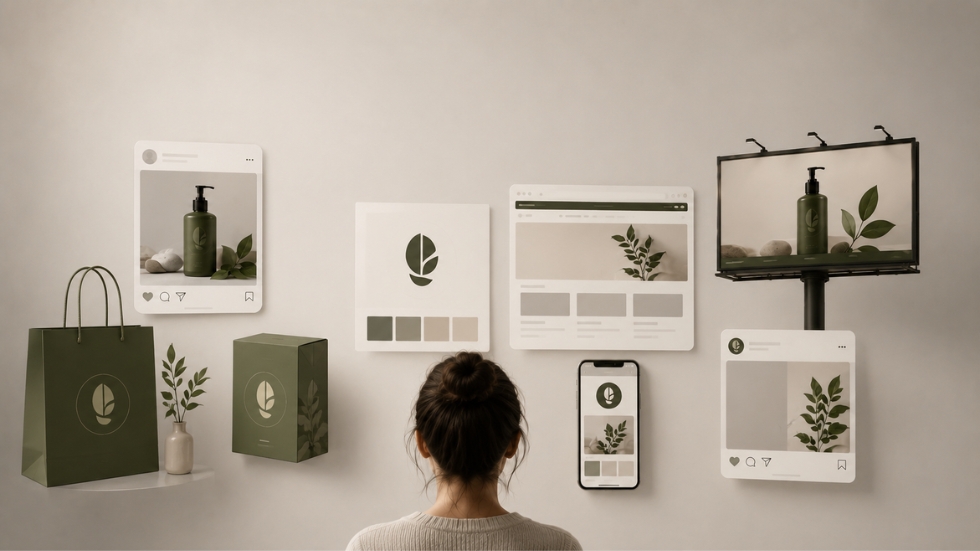
Businesses often underestimate how much recognition they have already built. Customers don’t consciously memorize every design element, but they do remember patterns. They recognize familiar colors while scrolling through social media. They identify products from a distance because the packaging looks familiar. They spot the same typography across emails and advertisements without even realizing it.
A recognizable logo design is part of that system. It becomes a shortcut in the customer’s mind, helping them instantly identify the business without reading every word. Changing it isn’t impossible, but replacing something familiar should always have a meaningful purpose behind it.
Recognition takes years to build and only moments to disrupt.
Don’t Let Trends Make Decisions for You
Design trends move incredibly fast. One year every brand wants minimalist logos. The next year bold typography, gradients, and expressive illustrations dominate social media. It’s tempting to believe that adopting the latest trend will instantly make a business feel modern.
The problem is that trends have expiration dates.
Businesses that redesign simply because something feels fashionable often discover their new identity looks outdated just a few years later. Meanwhile, brands that focused on timeless design continue looking professional because they built their identity around their customers instead of temporary aesthetics.
Great branding ages gracefully because it isn’t chasing attention. It’s building recognition.
Branding Is More Than What People See
When people hear the word “rebrand,” they usually imagine a new logo or different colors. In reality, those are only the beginning.
A redesign influences how customers experience your website design, how they interact with your social media, how advertisements feel, and even how emails are presented. Every customer touchpoint contributes to the overall perception of the business. If only one element changes while everything else remains inconsistent, the redesign quickly loses its impact.
The strongest brands don’t redesign individual assets. They redesign experiences.
Packaging Is Often Where Customers Notice Change First
For businesses selling physical products, packaging becomes one of the most visible signs of a rebrand. Long before customers compare products again, they notice the box arriving at their doorstep looks different.
Good packaging design doesn’t simply introduce a fresh appearance. It reassures existing customers that the business they already trust is still the same company they chose before. Even when the visual style evolves, the experience should still feel familiar.
This is why experienced designers rarely treat packaging as an afterthought. It plays a major role in communicating whether the redesign feels thoughtful or confusing.
Also Read: Label Design Mistakes You Didn’t Know You Were Making
Every Touchpoint Should Tell the Same Story
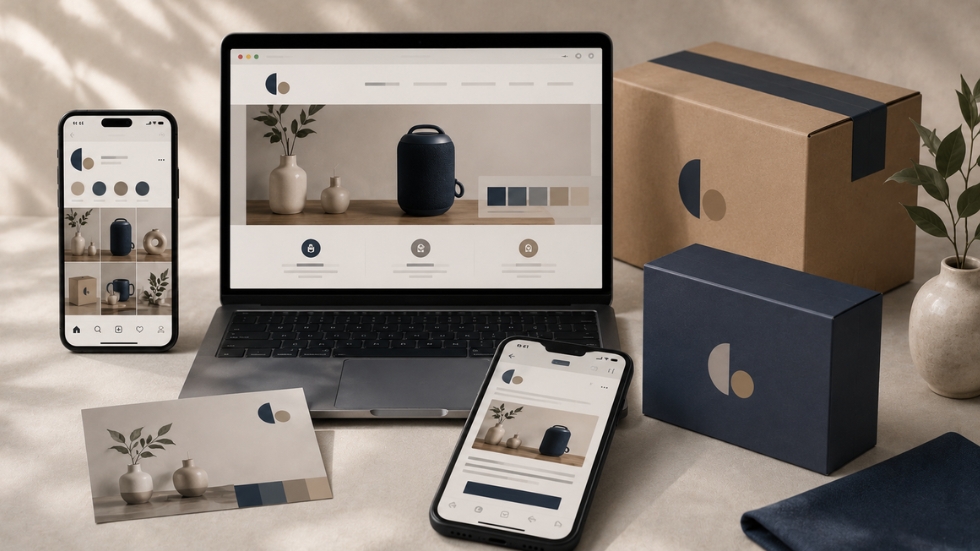
Imagine visiting a beautifully redesigned website only to receive outdated emails, inconsistent advertisements, and packaging that looks like it belongs to another business entirely. That disconnect immediately creates uncertainty.
Successful businesses avoid this by creating consistency across every interaction. Whether someone discovers the brand through Instagram, visits the website, or receives their order a few days later, the experience should feel connected.
For businesses investing in D2C branding, this consistency becomes even more important because customers rarely interact with a physical store. Every digital and physical touchpoint contributes to how trustworthy the brand feels.
Also Read: The Hidden Cost Of Inconsistent Branding
Redesign With Your Customers, Not Your Ego
One of the most overlooked steps in a rebrand is asking customers what they already love.
Businesses often redesign based entirely on internal opinions. Employees become tired of looking at the same branding every day and assume customers feel exactly the same. In reality, loyal customers may have developed strong emotional connections with certain colors, layouts, or visual elements that the company is preparing to remove.
Listening before redesigning often reveals which elements deserve to stay. A thoughtful redesign respects the past while preparing the business for the future instead of treating everything old as something that needs replacing.
Sometimes Small Changes Create the Biggest Impact
Many successful redesigns aren’t dramatic at all.
Instead of replacing everything, businesses refine what already works. Typography becomes cleaner. Colors become more consistent. Visual hierarchy improves. The website becomes easier to navigate. Product photography becomes more polished. A professional packaging design company might even update materials and finishes while keeping the overall identity recognizable.
These improvements feel natural because customers can still recognize the brand they already know. Evolution often creates stronger long-term results than complete reinvention.
Redesigning a brand is one of the biggest decisions a business can make, but it should never become the first solution to every challenge. Before replacing visual elements, take time to understand what customers are actually experiencing. Sometimes the answer is better service, clearer communication, or a stronger online experience rather than a completely new identity.
When a redesign is truly necessary, approach it with purpose instead of emotion. Preserve the recognition you’ve already earned while improving the areas that no longer represent the business you have become. From refining your visual identity to updating your packaging design, every decision should support the same goal: making it easier for customers to recognize, trust, and remember your brand. The best redesigns don’t erase history. They build on it.
