
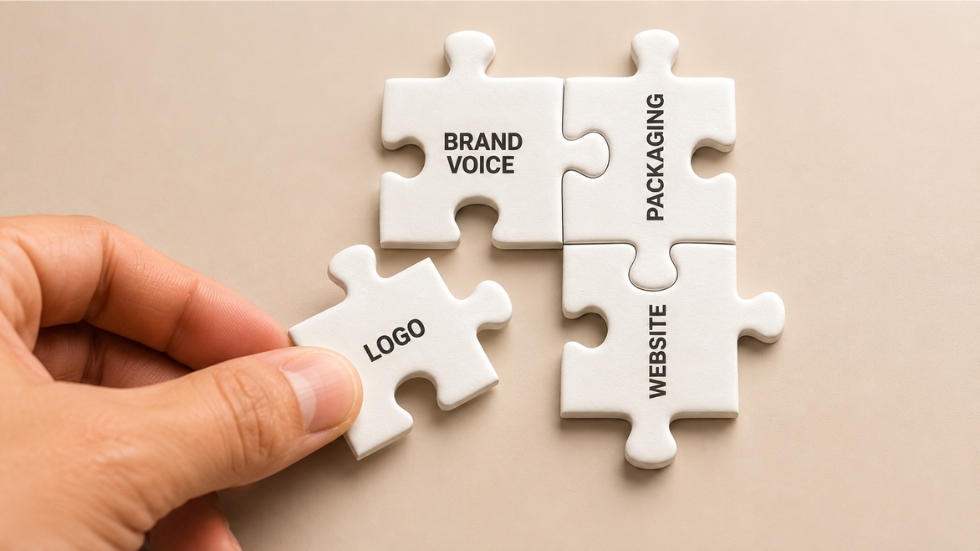
A graphic design company can spend days getting a logo right. The spacing is adjusted, colors are tested, fonts are compared, and every tiny detail gets discussed before the final version is approved. Then the logo goes everywhere. The website, Instagram page, business cards, packaging, maybe even the office wall. But after a while, something doesn’t quite feel right. Everything has the logo, yet the business still doesn’t feel like it has a strong identity.
The problem is usually not the logo.
Customers don’t experience a business by looking at its logo in isolation. They see an Instagram post, visit a website, receive an email, talk to someone from customer support, open a package, or hear about the company from a friend. They remember bits and pieces of all those interactions. Together, those little moments form their opinion of the brand.
That’s the part many businesses miss. A logo can help people recognize you, but it can’t tell the whole story.
A Logo Is the Beginning, Not the Brand
There’s nothing wrong with putting serious thought into logo design. A good logo gives a business a recognizable face and creates a foundation for everything that follows. But a face alone doesn’t tell you much about a person. You learn who they are through their personality, behavior, communication, and the way they make you feel.
Brands work the same way.
The logo might tell customers, “This is us.” The rest of the identity has to answer the more interesting questions: What do we feel like? What do we care about? Who are we trying to attract? Why should someone choose us instead of the five other businesses offering something similar?
Those answers come from much more than a symbol sitting in the corner of a page.
What Does Your Brand Look Like Without the Logo?

Here’s a useful test. Take your logo away from your social media posts, website, advertisements, and packaging. Can someone still tell that all those pieces belong to the same business?
If the answer is no, there’s probably more work to do.
Colors, typography, photography, layouts, illustrations, graphics, and even the amount of empty space you use can become recognizable parts of a visual identity. They create patterns that customers gradually learn to associate with you. Eventually, someone might spot your brand before they’ve even noticed the logo.
That’s when a visual identity starts doing its job properly. It isn’t just making everything look nice. It’s making the business recognizable.
Your Website Is Saying Something About You
A customer sees your Instagram post and likes what they see. They click through to your website, expecting more of the same. Instead, they’re greeted by an outdated layout, different colors, confusing navigation, and a completely different visual style.
Nobody is likely to say, “The brand consistency is poor.”
They’ll simply think the business doesn’t feel as professional as they expected.
That’s why website design is part of branding, whether a business treats it that way or not. The layout, images, typefaces, copy, navigation, and even the way information is presented all influence how people feel about the company. A website isn’t just somewhere to put your services or products. It’s another place where customers decide what kind of business they’re dealing with.
Then Comes the Package
For a product business, there is eventually a moment when the brand leaves the screen and lands in someone’s hands.
A customer might discover you through an Instagram post, browse your website, read a few reviews, and place an order. Until that point, the relationship has been entirely digital. Then the delivery arrives, and suddenly there’s a physical representation of everything they’ve just seen.
That’s where packaging design matters.
If the website feels thoughtful and premium but the product arrives in a completely generic package, something feels off. It doesn’t necessarily ruin the product, but it can weaken the impression you’ve spent so much time building. On the other hand, packaging that feels like a natural extension of the brand can make the whole experience feel more complete.
The box doesn’t need to be extravagant. It just needs to feel like it belongs.
Also Read: Packaging Design Through the Eyes of a Customer
D2C Brands Have a Bigger Branding Challenge
This matters even more for D2C businesses because there often isn’t a physical store where customers can experience the brand. Instead, their journey might start with a reel, continue on a website, move to an order confirmation email, and end with a package at their doorstep.
That’s a lot of separate interactions.
Branding works when those interactions feel connected. The customer shouldn’t feel like they’ve moved between five different companies just because they’ve gone from Instagram to the website to their inbox and finally to the product.
This is also where D2C packaging design can make a difference. The package is not just the thing protecting what’s inside. It’s another opportunity to remind customers who they bought from and reinforce the impression they formed online.
Your Brand Has a Personality, Too
Now forget the visuals for a moment.
Think about the way a company talks to you. Some brands sound warm and conversational. Some are playful. Some are straightforward and practical. Others are polished and formal. You can often get a sense of a company’s personality just by reading a few captions or emails.
That personality doesn’t come from the logo.
It comes from the words used on the website, social media captions, emails, advertisements, product descriptions, and customer service replies. If the visuals say one thing but the communication says something completely different, the brand can feel confused.
A consistent voice doesn’t mean every company needs to sound witty or casual. It simply means customers should get a sense that the same business is speaking to them wherever they encounter it.
Customers Don’t See Your Brand Guidelines
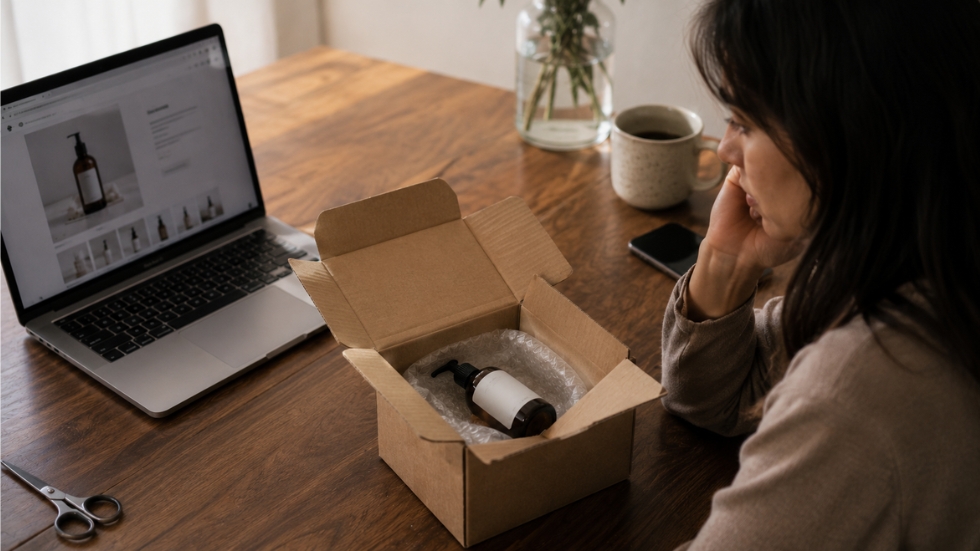
You might have a beautifully organized brand guideline document. You might have carefully chosen fonts, color codes, photography rules, and usage instructions. That’s great, but customers never see that document.
They see the result.
They see whether the website is easy to use. They notice whether emails are helpful or annoying. They experience what happens when an order is delayed. They see whether customer support actually solves their problem. They open the package and decide whether the experience matches what they expected.
A beautiful identity cannot rescue a consistently bad experience.
That’s why a packaging design company or branding team has to think beyond individual visuals. The real question isn’t simply whether something looks good. It’s whether the experience customers are having supports what the brand claims to be.
Consistency Doesn’t Mean Copy and Paste
There is another mistake on the opposite end of the spectrum. Some businesses become so obsessed with consistency that everything starts looking exactly the same.
Every Instagram post follows the same template. Every page uses the same layout. Every graphic has the same composition. The brand becomes recognizable, but it also becomes predictable.
Good branding needs some room to breathe.
Your website doesn’t need to look like an Instagram post. Your packaging doesn’t need to copy your advertisement. Different platforms have different jobs and different requirements. What connects them is the underlying visual language, not identical execution.
Think about a person’s personal style. They don’t wear the same outfit every day, but you can still tell when something looks like them. A strong brand should work in much the same way.
So, What Are You Actually Building?
The easiest way to think about it is this: your logo is one part of the introduction. Everything else is what makes people remember you.
The colors they keep seeing. The website they enjoyed browsing. The packaging they didn’t want to throw away. The email that sounded like a real person wrote it. The customer service interaction that made them feel looked after. None of these things seem particularly important on their own, but they add up.
Over time, those experiences create a mental picture of your business. That’s your brand.
And that picture exists in the customer’s mind, not in your design files.
A logo can be memorable, clever, beautiful, or instantly recognizable. But it can’t carry an entire brand on its own.
Your brand is built through the things customers see, read, receive, use, and experience. The logo gives them something to recognize, but the rest of the brand gives them a reason to remember you.
So if you’ve just finished your logo, don’t treat the project as finished. You’ve created the starting point. Now make sure your website, packaging, communication, social media, and customer experience give that logo something worth representing.
