
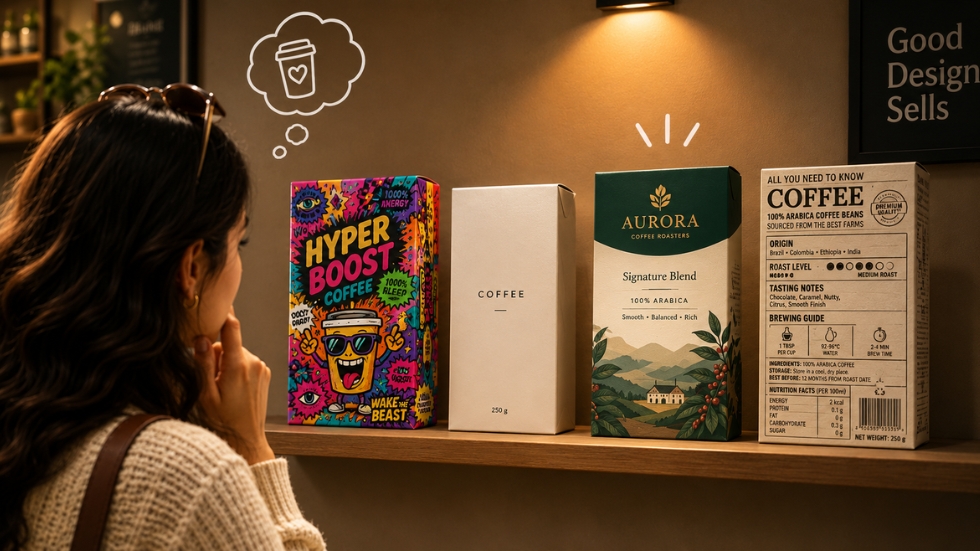
The team at a graphic design company might spend weeks perfecting a package, carefully choosing colors, typography, materials, and layouts. The customer, however, experiences all of that work in just a few seconds. They don’t see the countless revisions or brainstorming sessions. They simply see a product sitting on a shelf or arriving at their doorstep, and almost instantly, they begin deciding how they feel about it.
That first impression is surprisingly powerful. Before customers compare features, read reviews, or even hold the product, the packaging has already started telling a story. It quietly answers questions they haven’t asked out loud yet. Does this feel premium? Can I trust this brand? Is it worth the price? Those judgments happen so naturally that most people don’t even realize they’re making them.
This is why great packaging isn’t created by asking, “What looks good?” Instead, it begins by asking, “What will the customer notice first?” Looking at packaging design from the customer’s perspective often reveals opportunities that businesses overlook when they focus only on aesthetics.
Customers Notice Before They Read
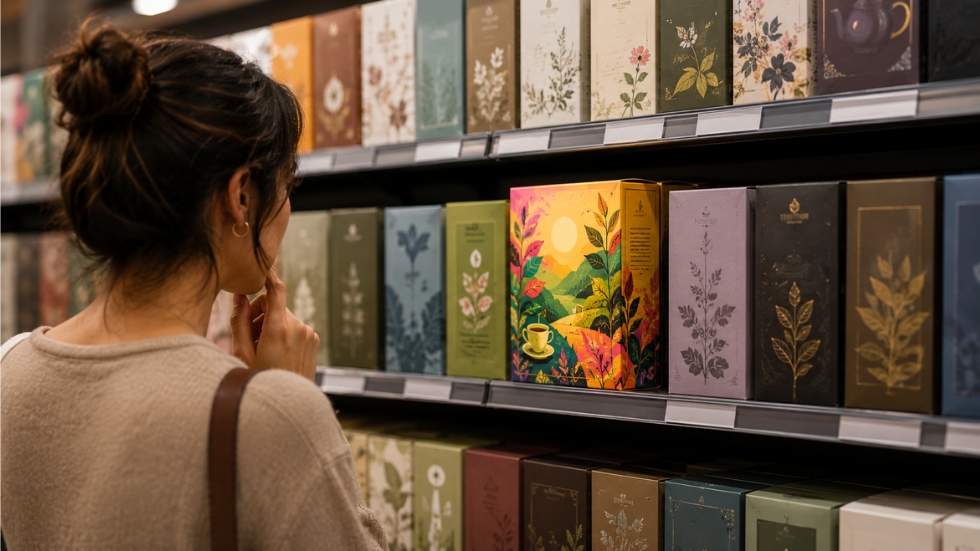
Imagine walking down a supermarket aisle looking for a box of tea. Dozens of brands compete for your attention, yet somehow your eyes stop on one particular package. At that moment, you haven’t read a single word on the label. You haven’t compared ingredients or checked the price. Something about the design simply encouraged you to look closer.
This is how most buying journeys begin. Customers notice before they understand. Color, shape, typography, spacing, and imagery all work together to create an immediate impression. If that first impression sparks curiosity, the customer takes the next step by picking up the product or clicking on it online. If it doesn’t, the product often disappears into the background before its features ever get a chance to speak.
Packaging Creates Expectations
One of the most interesting things about packaging is that it shapes expectations long before someone experiences the product itself. A clean, minimal package often suggests sophistication and quality. Bold colors may communicate energy and excitement. Earthy tones can imply sustainability or natural ingredients.
Whether those assumptions are completely accurate isn’t always the point. The customer uses visual cues to predict what kind of experience they’re about to have. That’s why businesses need to ensure the packaging accurately reflects the product inside. When expectations and reality match, trust grows. When they don’t, disappointment follows.
This is also why successful logo design plays an important role on packaging. A recognizable logo reassures returning customers that they’re choosing the brand they already know, making purchase decisions faster and easier.
Customers Appreciate Simplicity
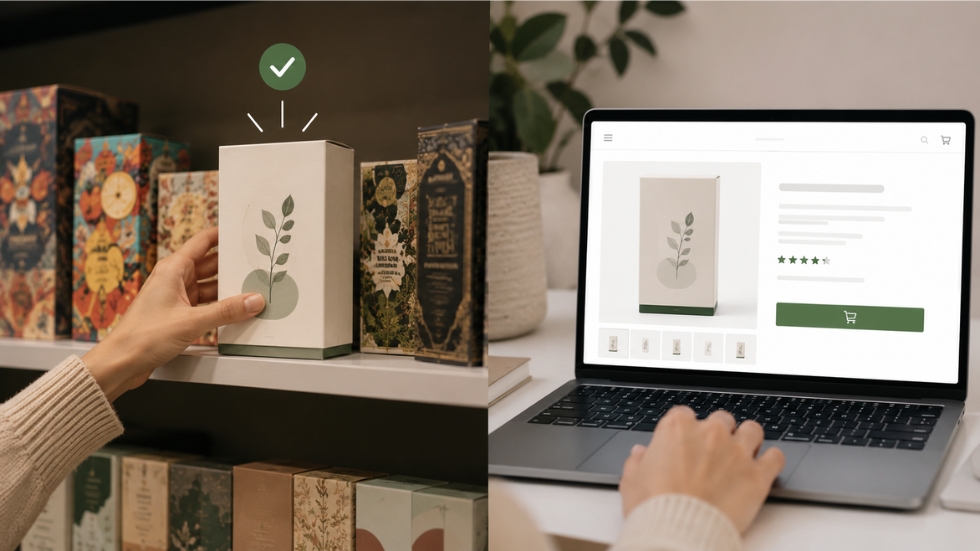
Businesses sometimes believe that adding more information makes packaging more persuasive. The opposite is often true. Customers usually don’t stand in front of a shelf analyzing every detail. They make decisions quickly, scanning for products that feel easy to understand.
Clear hierarchy, readable typography, thoughtful spacing, and focused messaging help customers process information faster. Instead of overwhelming people with every possible selling point, effective packaging guides them toward the most important information first.
The same principle applies to website design. Visitors online don’t want to search endlessly for answers any more than shoppers want to decode a cluttered package. Simplicity helps people make decisions with confidence.
Also Read: Label Design Mistakes You Didn’t Know You Were Making
Every Detail Influences Trust
Imagine receiving two products ordered online. One arrives in a plain box with generic wrapping and little attention to presentation. The other arrives in thoughtfully designed packaging with consistent branding, quality materials, and careful finishing touches. Even before using either product, you probably have stronger confidence in one of them.
Customers naturally associate attention to detail with professionalism. They assume that brands investing care into presentation are likely to invest similar care into the product itself. Small decisions such as print quality, material choice, label placement, and finishing all contribute to that perception.
An experienced packaging design company understands that customers rarely judge individual design elements separately. Instead, they experience everything together as one complete impression.
Online Customers Judge Packaging Differently
For direct-to-consumer brands, packaging has taken on an even bigger role. Customers often discover products through social media, complete their purchase online, and wait several days before finally holding the product in their hands. The packaging becomes the first physical interaction they have with the brand.
Thoughtful D2C packaging design helps bridge the gap between the digital and physical experience. If the website feels modern and premium, the packaging should reinforce those same qualities. When every touchpoint feels connected, customers feel reassured that they’re dealing with a brand that pays attention to details.
This consistency encourages repeat purchases because customers begin recognizing the brand not only through its products but through the entire experience surrounding them.
Also Read: How D2C Packaging Supports Brand Recognition
Packaging Doesn’t End With the Purchase
Many businesses think packaging’s job ends once the product reaches the customer. In reality, that’s often where its biggest impact begins.
People share unboxing videos, recommend products to friends, and post purchases on social media because the experience feels memorable. Attractive packaging extends the conversation beyond the sale, creating moments customers enjoy sharing with others.
This is particularly valuable for businesses investing in D2C branding, where customer recommendations and user-generated content can become some of the most effective forms of marketing. Great packaging doesn’t simply protect a product. It creates stories customers naturally want to tell.
The Best Packaging Feels Effortless
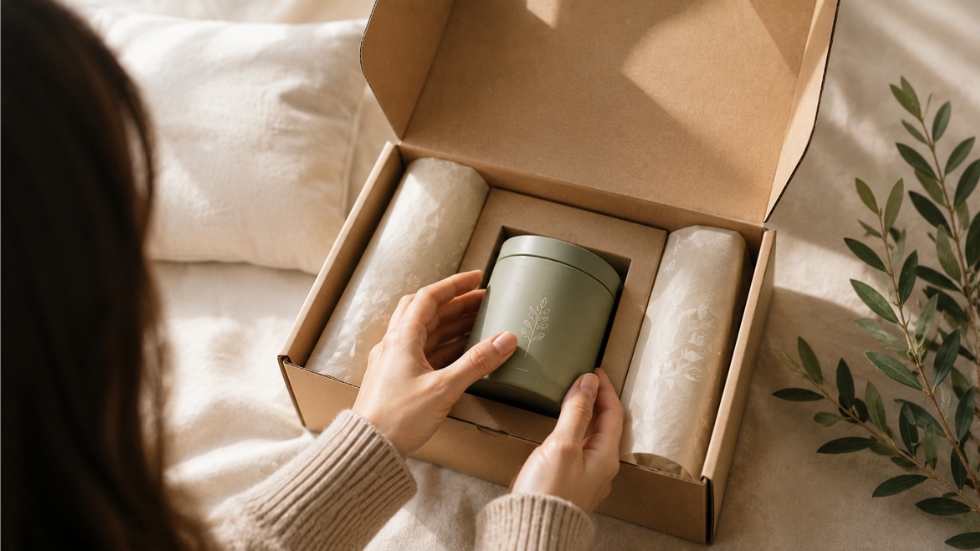
Interestingly, customers rarely compliment packaging by talking about typography, alignment, or color theory. Instead, they say things like, “This feels premium,” “This looks trustworthy,” or “I knew exactly what it was.”
Those reactions happen because good design removes confusion instead of adding decoration. Every visual decision supports the customer’s journey, making the experience feel smooth and intuitive.
The best packaging rarely calls attention to individual design elements. Instead, everything works together so naturally that customers focus on the product and the brand rather than the design itself.
Businesses often evaluate packaging from the inside out, focusing on branding guidelines, production requirements, and marketing goals. Customers experience it from the outside in. They notice visual cues first, form emotional reactions almost instantly, and only then begin learning about the product itself.
Looking at packaging through the customer’s eyes changes the way businesses approach design. Instead of asking what looks impressive, they begin asking what feels clear, trustworthy, memorable, and easy to understand. Those questions often lead to stronger purchasing decisions because they reflect how people actually shop.
The most successful packaging isn’t necessarily the loudest or the most expensive. It’s the packaging that quietly answers a customer’s questions before they even realize they’re asking them, creating confidence from the very first glance.
