

A brand can have the most beautiful logo, the perfect color palette, and an amazing product, but if its communication feels completely different on every platform, audiences start feeling confused without even realizing why.
Imagine discovering a brand on Instagram that feels playful, modern, and relatable. Then you visit their website and suddenly everything sounds cold, overly formal, and corporate. Later, their customer support replies feel robotic and disconnected again. Even though the visuals may still look the same, emotionally the experience starts feeling inconsistent.
It almost feels like interacting with three completely different companies instead of one connected brand experience.
This is exactly why brand messaging consistency matters so much today. Modern audiences interact with brands across multiple platforms every single day, and people naturally expect the experience to feel familiar and emotionally connected everywhere they engage with the company.
People Experience Brands Everywhere Now
Years ago, branding mostly existed through advertisements, physical stores, television commercials, and maybe a website. Companies had fewer places where audiences regularly interacted with them, so maintaining consistency felt much simpler.
But now, people discover brands through Instagram reels, TikTok videos, YouTube content, emails, websites, podcasts, LinkedIn posts, comment sections, and even customer support conversations. Audiences move across platforms constantly throughout the day without even thinking about it.
Because of this, people subconsciously expect the brand personality to stay recognizable throughout every interaction. When the messaging feels disconnected from one platform to another, trust weakens very quickly because audiences stop understanding what the brand actually stands for emotionally.
Consistency Builds Recognition
Think about some of the strongest brands online today. Even before seeing their logo, audiences can often recognize them just by the way they write captions, structure content, or communicate with followers online.
That recognition does not happen accidentally.
It comes from consistently maintaining the same tone, personality, messaging style, and emotional energy across every platform. Over time, audiences begin associating certain communication patterns with the brand itself, which makes the company feel more familiar and emotionally recognizable.
This familiarity creates emotional comfort, and emotional comfort naturally builds stronger trust and audience loyalty over time. The more familiar a brand feels, the easier it becomes for people to emotionally connect with it.
Every Platform Has a Different Culture

Maintaining consistency does not mean copying and pasting the exact same content everywhere. One of the biggest mistakes brands make is treating every platform identically without understanding how audience behavior changes across different spaces online.
Instagram is usually more visual and lifestyle-focused. LinkedIn feels professional and insight-driven. TikTok moves quickly and rewards casual, personality-driven communication. Email marketing often feels more direct and personal because people are interacting privately rather than publicly.
The challenge is not sounding identical everywhere.
The real challenge is adapting communication style for each platform while still making the brand feel emotionally recognizable across all of them. Audiences should feel like they are interacting with the same personality, even if the communication format changes slightly.
Brand Voice Should Stay Familiar
Imagine meeting someone who completely changes their personality depending on who they are talking to. Eventually, the interaction starts feeling confusing, inconsistent, and emotionally inauthentic.
The same thing happens with brands.
A company can sound slightly more professional on LinkedIn and more casual on Instagram, but the core personality should still feel familiar. If a playful and modern brand suddenly sounds stiff and overly corporate everywhere else, audiences start feeling disconnected from the identity they originally connected with online.
Consistency is not about repeating the same words or captions everywhere.
It is about maintaining the same emotional personality across different communication environments so audiences always understand who the brand is beneath the platform itself.
Also Read: Why Tone Of Voice Matters In Branding
Audiences Notice Inconsistency Faster Than Brands Realize
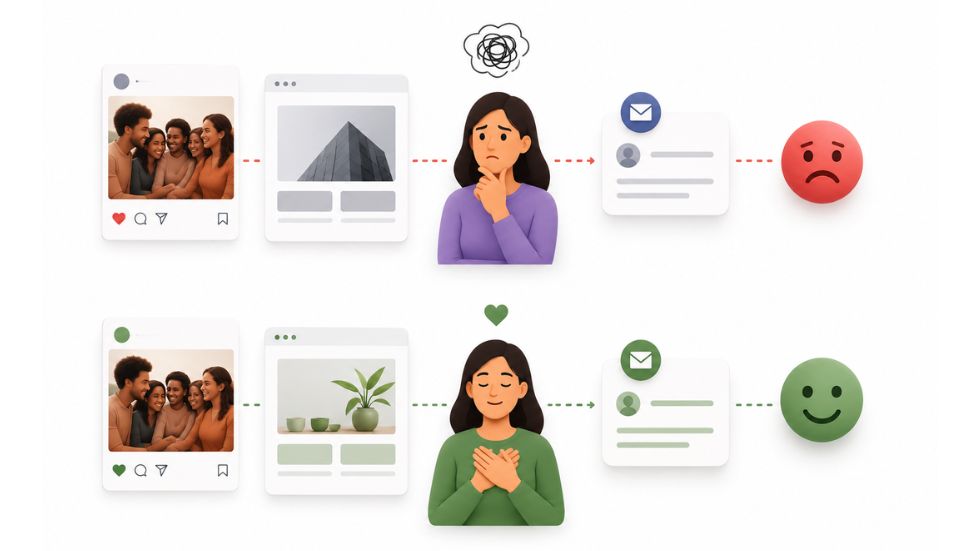
Many businesses underestimate how quickly audiences notice inconsistent messaging online. Sometimes the problem is subtle, but emotionally people still feel the disconnect immediately, even if they cannot explain it clearly.
A brand may promote warmth and community on social media but respond coldly through customer support emails. Another company may appear youthful and modern on Instagram while its website feels outdated, stiff, and emotionally disconnected.
These mismatched experiences slowly damage trust because the brand no longer feels emotionally reliable or intentional.
People trust brands that feel stable, cohesive, and emotionally aligned across every touchpoint because consistency makes the company feel more genuine and dependable overall.
Strong Messaging Makes Brands Memorable
Modern audiences consume enormous amounts of content every single day. Most posts, advertisements, and campaigns disappear from memory within minutes because people are constantly exposed to new information online.
What people actually remember is emotional consistency.
Brands that maintain clear messaging across platforms become easier to recognize, easier to trust, and much easier to emotionally connect with over time. Their communication starts feeling intentional instead of random because every platform contributes to the same larger identity.
This is why strong branding goes far beyond visuals alone.
The messaging itself becomes part of what makes the brand memorable, recognizable, and emotionally distinct in crowded digital spaces.
Internal Alignment Matters Too
Maintaining consistent messaging is not only a social media responsibility. It requires alignment across the entire company because every department contributes to how audiences emotionally experience the brand.
Marketing teams, designers, copywriters, social media managers, customer support representatives, and even sales teams all shape communication in different ways. If every department sounds completely different, audiences experience inconsistency no matter how polished the visuals appear.
The strongest brands are usually the ones where everyone understands not just what the company says, but how the company is supposed to sound emotionally.
That internal clarity makes the external brand experience feel much stronger and more cohesive for audiences interacting with the company.
Consistency Creates Emotional Trust
At its core, brand consistency is really about emotional trust.
When audiences repeatedly experience the same tone, values, personality, and messaging style across different platforms, the brand starts feeling dependable, emotionally familiar, and easier to connect with over time.
People naturally trust what feels stable and recognizable.
Over time, consistent communication creates stronger emotional relationships because audiences begin understanding what kind of experience they can expect from the brand every time they interact with it online or offline.
That emotional reliability eventually becomes one of the most powerful and valuable parts of modern branding itself.
Brand messaging consistency is no longer optional in a digital world where audiences interact with companies across multiple platforms every single day. People expect brands to feel connected, recognizable, and emotionally consistent no matter where the interaction happens.
This does not mean every platform should sound identical. It simply means the brand personality, tone, values, and emotional experience should always feel familiar, even when the communication style slightly adapts to different audiences and platforms.
The brands people trust most are often the ones that feel cohesive everywhere. Because when communication feels consistent, the brand itself starts feeling more human, reliable, emotionally memorable, and much easier for audiences to genuinely connect with over time.
FAQs
1. What is brand messaging consistency?
Brand messaging consistency means maintaining the same core personality, tone, and communication style across all platforms and audience interactions.
2. Why is consistency important in branding?
Consistency helps build trust, recognition, emotional familiarity, and stronger audience connection over time.
3. Should brands use the exact same content on every platform?
No. Brands should adapt content for each platform while still maintaining the same overall personality and messaging style.
4. How does inconsistent messaging affect brands?
Inconsistent communication can confuse audiences and make the brand feel emotionally disconnected or unreliable.
5. How can brands maintain consistent messaging?
By clearly defining their tone of voice, values, audience positioning, and communication guidelines across all teams and platforms.
