
A logo is often one of the first things people notice about a brand. It appears on websites, social media profiles, packaging, advertisements, business cards, and countless other touchpoints. Over time, it becomes a visual shortcut that helps people instantly recognize a company.
But what happens when that visual identity no longer reflects who the brand is?
Many businesses assume a logo redesign is only necessary when a company undergoes a major transformation. In reality, brands often outgrow their logos gradually. The design that worked perfectly ten years ago may no longer represent the business, audience, or market position it has today.
The challenge is knowing when a redesign is genuinely needed and when it’s simply a desire for change.
Your Brand Has Evolved, but Your Logo Hasn’t
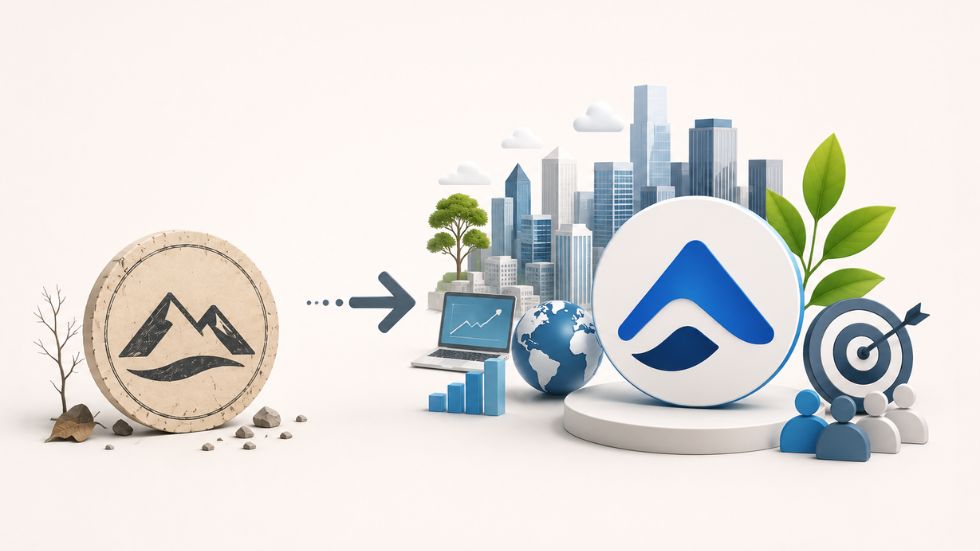
Imagine meeting someone after ten years and discovering they are still introducing themselves exactly the same way they did in college. While some things may still be relevant, much of who they are has likely changed.
Brands experience a similar evolution.
Many companies expand their services, enter new markets, target different audiences, or develop stronger brand positioning over time. When this happens, an old logo may no longer communicate the business accurately.
If your company has changed significantly but your visual identity still reflects an earlier version of the brand, it may be time to consider a refresh.
The Logo Looks Outdated Compared to Modern Design Standards
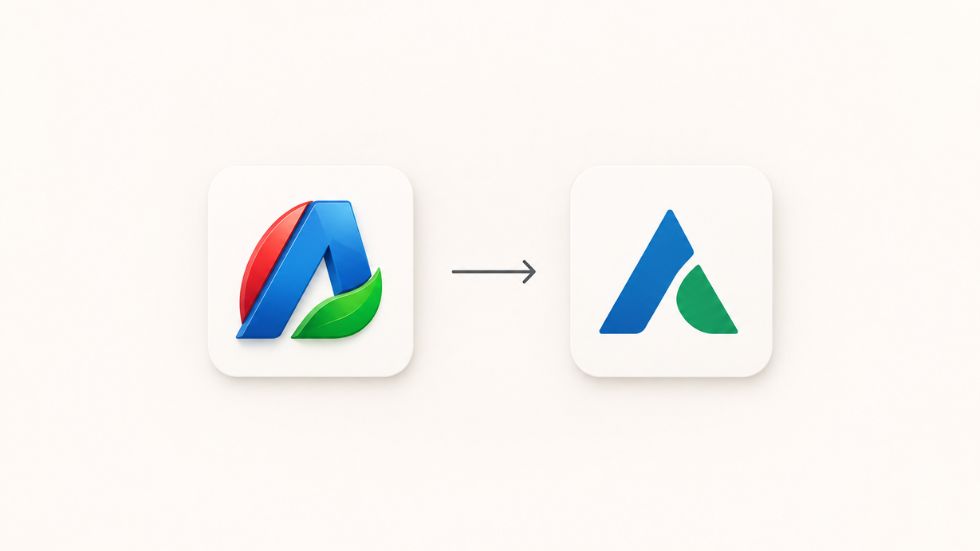
Design trends come and go, but some logos become visibly tied to a specific era. Heavy gradients, overly complex graphics, outdated typography, or cluttered design elements can make a brand appear older than it actually is.
Customers may not consciously analyze these details, but they notice them.
When a logo feels outdated, audiences sometimes assume the business itself is outdated as well. This perception can affect how people view the company’s products, services, and credibility.
A redesign can help modernize the brand while still preserving the recognition it has built over the years.
Your Logo Doesn’t Work Well Across Digital Platforms
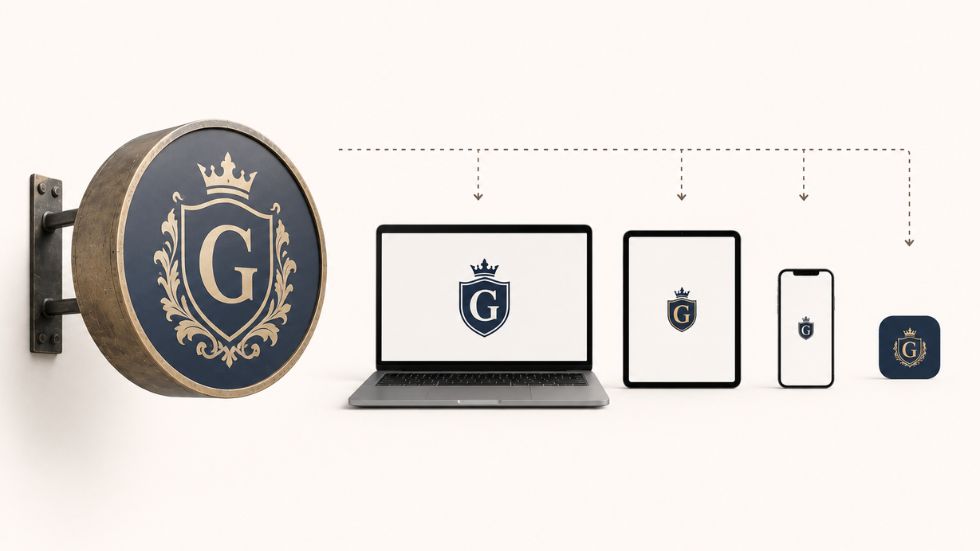
Years ago, logos were primarily designed for print materials, storefronts, and traditional advertising. Today, they need to function across websites, mobile screens, social media profiles, digital advertisements, and even app icons.
A logo that looks great on a billboard may become unreadable when scaled down to a profile picture.
As digital platforms continue to dominate customer interactions, flexibility has become one of the most important qualities of modern logo design. Brands need visuals that remain recognizable regardless of size or format.
If your logo struggles to perform across digital environments, it may be limiting your brand more than helping it.
Customers No Longer Recognize What Makes You Different
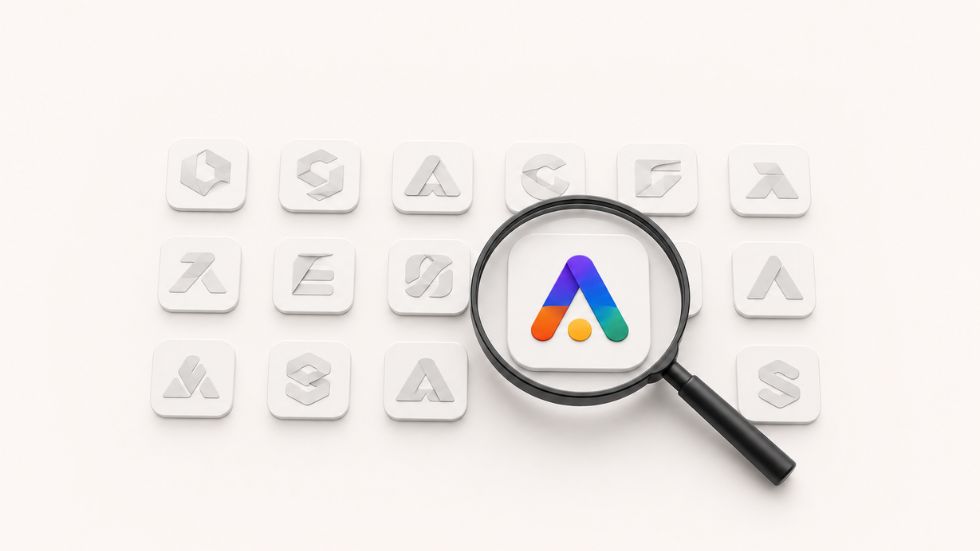
A logo should not only identify a business. It should also support the overall brand positioning.
Over time, industries become more competitive, and visual trends become more common. What once made a logo distinctive can eventually start blending into the crowd.
If your logo looks similar to competitors or fails to communicate the personality of your brand, it may no longer be helping you stand out. A redesign can create stronger differentiation and make the brand feel more memorable in a crowded market.
The goal is not simply to look different. The goal is to look unmistakably like your brand.
Your Audience Has Changed
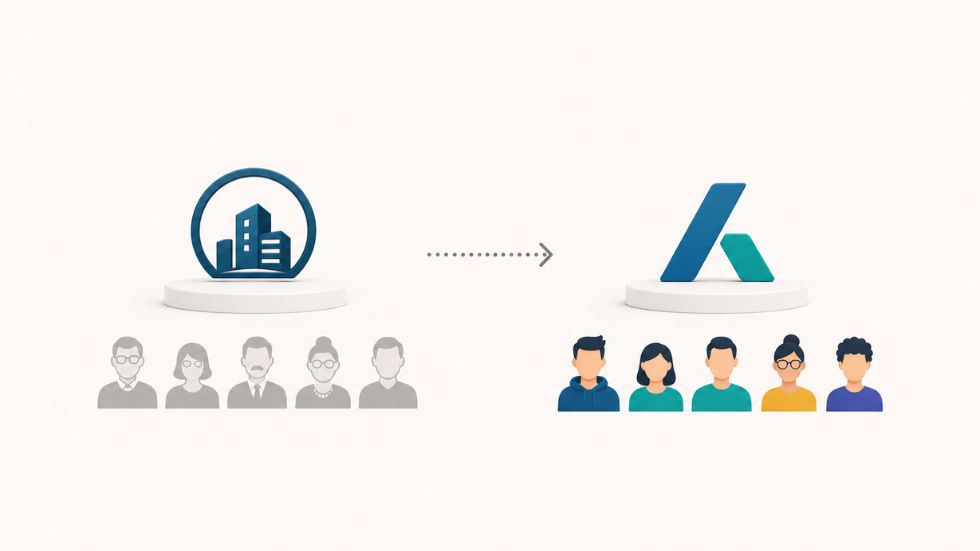
Businesses often grow alongside their customers, but sometimes they evolve toward entirely new audiences.
A company that originally targeted local customers may now serve a national market. A brand that once appealed to older consumers may now attract younger demographics. In these situations, visual expectations can shift dramatically.
When the audience changes, the logo should still feel relevant to the people the brand wants to reach.
A redesign can help align the visual identity with current customer expectations while maintaining the trust and recognition already built over time.
Also Read: How Consumer Behavior Influences Brand Strategy
You’re Embarrassed to Use It

This may sound simple, but it is often one of the clearest signs a redesign is needed.
If team members hesitate to place the logo on marketing materials, if designers constantly try to work around it, or if leadership feels disconnected from the visual identity, the logo may no longer be serving its purpose.
Strong branding creates confidence.
A logo should be something a company is proud to display across every platform and customer touchpoint. If it feels like an obstacle rather than an asset, it may be time for a change.
A Refresh Doesn’t Mean Starting Over
One of the biggest misconceptions about logo redesigns is that they require abandoning everything that came before.
Many successful redesigns are actually evolutions rather than complete transformations. Small changes to typography, spacing, color palettes, or visual simplification can modernize a logo while preserving the recognition customers already associate with the brand.
The most effective redesigns respect the past while preparing the brand for the future.
The goal is not to erase brand equity but to strengthen it.
The Best Redesigns Feel Natural
Think about some of the most successful logo redesigns you’ve seen. In many cases, people barely noticed the change at first.
That’s because great redesigns often feel natural rather than shocking.
They improve clarity, modernize the visual identity, and enhance usability without completely disconnecting from what audiences already know. When done correctly, a redesign feels less like a new logo and more like a better version of the existing one.
That balance is what makes a visual refresh truly successful.
A logo redesign is not about following trends or changing things for the sake of change. It is about ensuring that a brand’s visual identity accurately reflects who the company is today and where it wants to go in the future.
If your logo feels outdated, struggles across digital platforms, no longer reflects your positioning, or fails to connect with your audience, it may be time for a visual refresh. The strongest brands understand that design is not static. It evolves alongside the business itself.
A thoughtful redesign can help a brand remain recognizable while making it more relevant, flexible, and effective for the years ahead.
FAQs
1. How often should a brand redesign its logo?
There is no fixed timeline. Most brands redesign their logos when their identity, audience, market position, or design needs significantly change.
2. Does a logo redesign mean changing everything?
No. Many successful redesigns make subtle improvements while keeping key elements that customers already recognize.
3. What is the biggest reason brands redesign logos?
One of the most common reasons is that the logo no longer reflects the brand’s current identity or works effectively across modern digital platforms.
4. Can a logo redesign affect brand recognition?
Yes, which is why redesigns should be approached carefully. Maintaining familiar elements can help preserve recognition while improving the design.
5. How do you know if your logo is outdated?
If it feels visually tied to an older era, struggles to scale digitally, looks similar to competitors, or no longer represents your brand accurately, it may be time for a refresh.
