
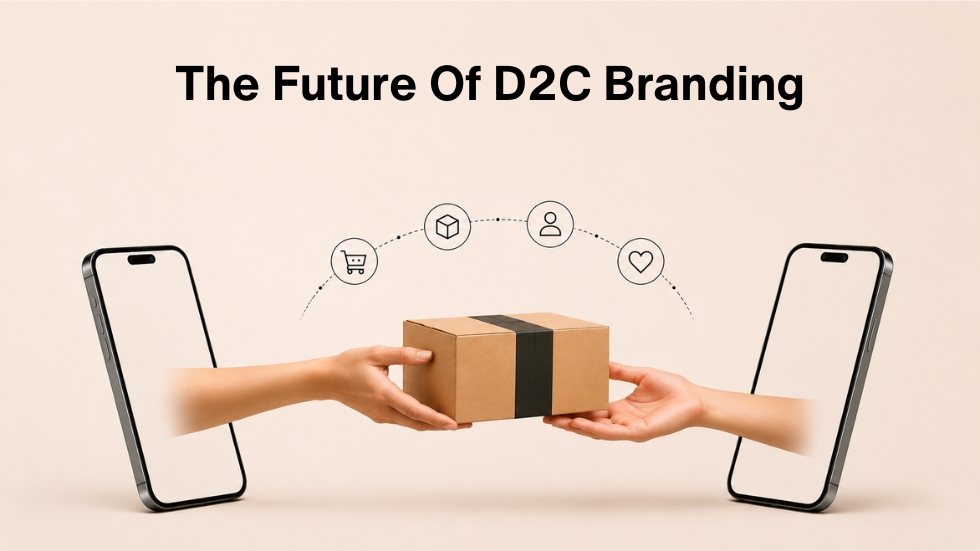
D2C branding and packaging are no longer just about making a business look professional. They have become the foundation of how customers discover, remember, and stay loyal to a brand. Think about the last online brand that genuinely impressed you. It probably was not because it had the lowest prices. Instead, something about it stood out. Maybe its personality felt relatable, its packaging made you smile, or its website made shopping effortless. That single experience was enough to make you remember the brand. As consumer expectations continue to evolve, the future of D2C branding will not belong to the loudest brands. It will belong to the smartest ones. Every graphic design company helping modern businesses today is no longer just creating visuals. It is shaping experiences that customers will remember long after they have made a purchase.
Branding Will Shift From Selling Products To Building Communities
The next generation of D2C brands will focus less on convincing people to buy and more on giving them a reason to belong. Customers today want to feel connected to the brands they support. They follow founders, engage with behind-the-scenes content, participate in online discussions, and proudly recommend their favorite businesses to friends. The relationship no longer ends after checkout. Instead, it continues through shared values, conversations, and experiences that make customers feel like they are part of something bigger.
Brands that successfully build communities often spend less on advertising because their customers naturally become advocates. Word of mouth, user-generated content, and loyal communities will become far more valuable than one-time promotional campaigns. In the future, successful branding will be measured by how many people talk about a brand, not just how many people buy from it.
Personalization Will Become The New Standard
Imagine visiting your favorite online store and seeing products recommended specifically for you, receiving emails that match your interests, and opening a package with a personalized message. This level of personalization is quickly becoming the new expectation rather than an added bonus. Customers appreciate brands that understand their preferences and create experiences that feel relevant instead of generic.
The future of branding will rely on using customer insights responsibly to create meaningful interactions. From tailored product recommendations to customized loyalty rewards, businesses will focus on making every customer feel valued. Brands that continue treating every shopper exactly the same may struggle to compete with those creating more personal experiences.
Small Moments Will Create The Biggest Impact
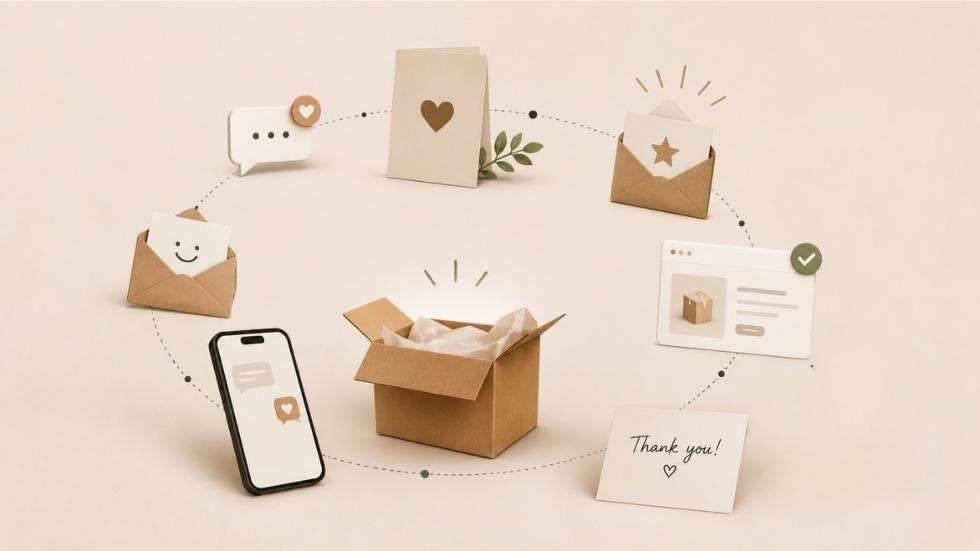
Many businesses believe branding is built through expensive advertising campaigns, but the future points in a different direction. Customers often remember the smallest details more than the biggest announcements. A thoughtful thank-you card, a quick response on social media, a beautifully designed order confirmation email, or a helpful follow-up message can leave a stronger impression than a large marketing campaign.
These small interactions are called micro experiences, and they are becoming some of the most powerful branding tools available. Every customer touchpoint contributes to the overall perception of a business. The brands that consistently deliver positive moments throughout the customer journey will naturally build stronger loyalty than those focusing only on attracting new buyers.
AI Will Change Branding, But Human Creativity Will Always Win
Artificial intelligence is transforming how businesses create content, analyze customer behavior, and automate communication. While these tools can improve efficiency, they cannot replace genuine creativity or emotional storytelling. Customers still connect with authentic ideas, relatable stories, and unique personalities that technology alone cannot produce.
This creates an interesting future for D2C businesses. Brands will use AI to work faster and understand their audience better, but they will still rely on creative thinking to stand out. Businesses that combine technology with originality will have a significant advantage over competitors that depend entirely on automation.
Branding Will Extend Beyond the Screen
For years, digital branding focused primarily on websites and social media. The future will be much broader. Customers will interact with brands through mobile apps, live shopping events, creator collaborations, podcasts, email experiences, online communities, and even augmented reality. Every platform offers another opportunity to reinforce a brand’s personality.
This means businesses need flexible branding systems instead of isolated designs. A memorable logo design, cohesive visual identity, and thoughtful messaging should adapt seamlessly across every platform. Whether a customer discovers a brand on YouTube, Instagram, or through a friend’s recommendation, the experience should feel familiar and recognizable.
Sustainability Will Become Part of Brand Identity
Consumers are becoming more conscious of the environmental impact of their purchases. They want brands to reduce unnecessary waste, use responsible materials, and communicate honestly about their efforts. Sustainability is no longer a feature that impresses customers. Increasingly, it is something they expect.
This is creating new opportunities for every packaging design company and businesses investing in D2C packaging design. Minimal packaging, recyclable materials, refillable solutions, and environmentally responsible production methods will become stronger differentiators. Customers are more likely to support brands whose actions align with the values they promote.
Design Will Need to Be Flexible, Not Just Beautiful
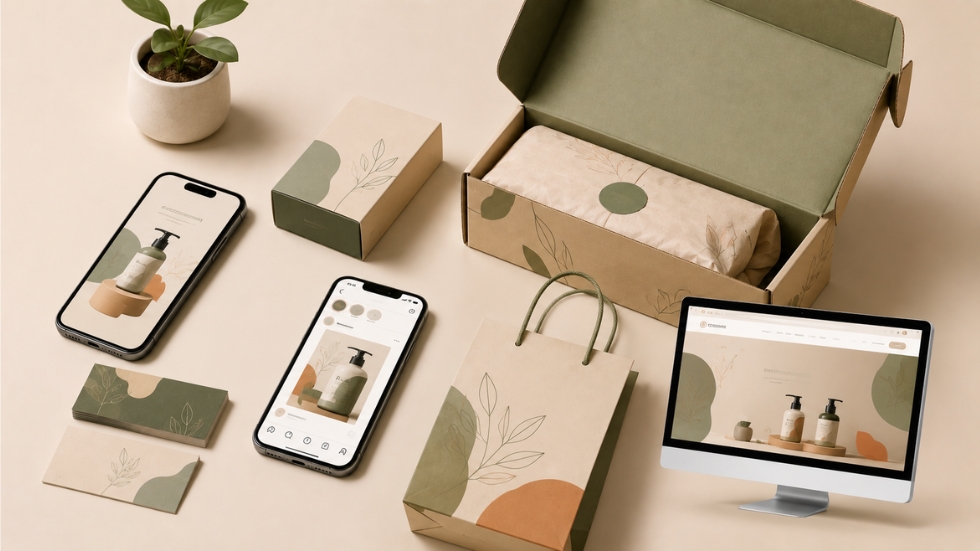
The role of design is changing rapidly. A beautiful identity is still important, but flexibility will matter just as much. Brands must look equally strong on a smartphone screen, an online marketplace, a product package, and a social media story. Every visual element should work together regardless of where customers encounter the business.
This is why investing in professional website design, thoughtful packaging design, and a scalable visual identity has become essential. The strongest brands of the future will not redesign themselves every year to follow trends. Instead, they will build systems that evolve naturally while remaining instantly recognizable.
The future of D2C branding is not about chasing every new trend or adopting every new technology. It is about understanding people better than ever before. Brands that build communities, personalize experiences, embrace innovation responsibly, and create memorable moments at every touchpoint will continue to thrive. Products can be copied, prices can change, and competitors will always emerge, but a meaningful brand is much harder to replace. Businesses that start investing in strong branding today are not simply preparing for tomorrow. They are shaping the future of their industry.
