
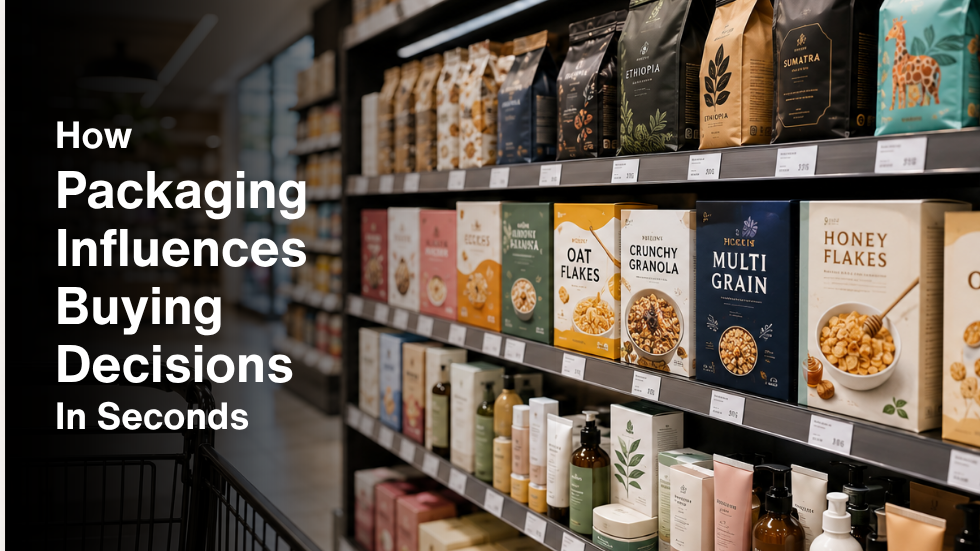
Imagine walking into a supermarket looking for a simple product like coffee, cereal, or skincare. You stand in front of a shelf filled with dozens of options that all serve a similar purpose. Some products immediately catch your attention, while others seem to disappear into the background.
What’s interesting is that most people haven’t read a single ingredient list at this point.
Instead, they are reacting to something much faster: packaging. Before customers understand the product, compare prices, or read reviews, they often form an impression based purely on what they see. In many cases, that first impression determines whether the product ends up in the shopping cart or stays on the shelf.
People Judge Products Before They Use Them
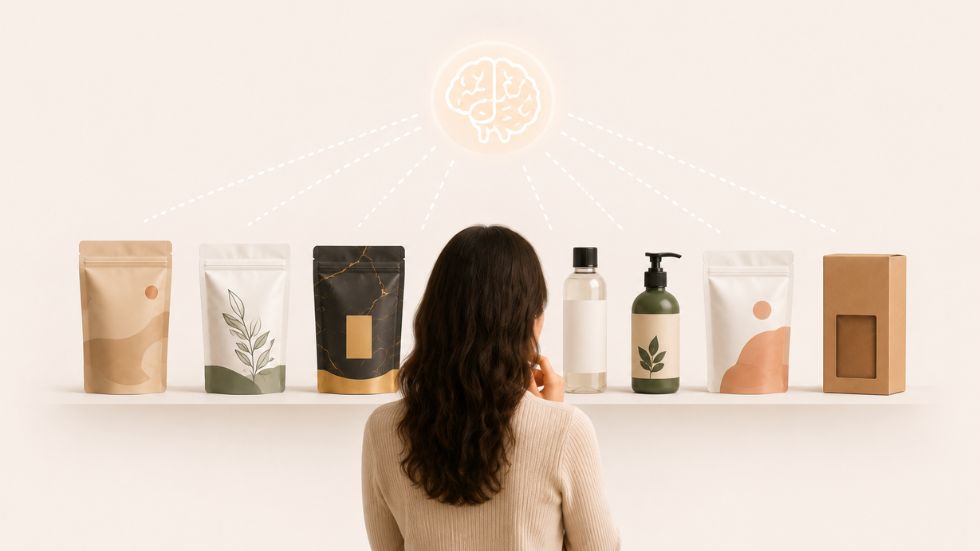
Most buying decisions begin long before someone experiences the product itself. The packaging becomes the first interaction between the brand and the customer, which means it carries a lot of responsibility.
When consumers encounter a product for the first time, they naturally make assumptions about quality, reliability, and value based on visual cues. Colors, typography, materials, layout, and overall presentation all contribute to those assumptions. Within seconds, people begin deciding whether a product feels premium, affordable, trustworthy, modern, or outdated.
This process happens so quickly that many customers are not even aware they are making these judgments.
Packaging Creates Emotional Reactions
People like to believe they make purchasing decisions logically, but emotions often play a much bigger role than they realize. Packaging has the power to trigger those emotions almost instantly.
A sleek minimalist design may create feelings of sophistication and quality. Bright colors and playful graphics may communicate excitement and energy. Natural textures and earthy tones can suggest sustainability and authenticity. These emotional signals influence how customers feel about a product before they ever interact with it directly.
The strongest packaging designs understand that they are not simply protecting a product. They are creating an emotional experience.
Standing Out in a Crowded Market
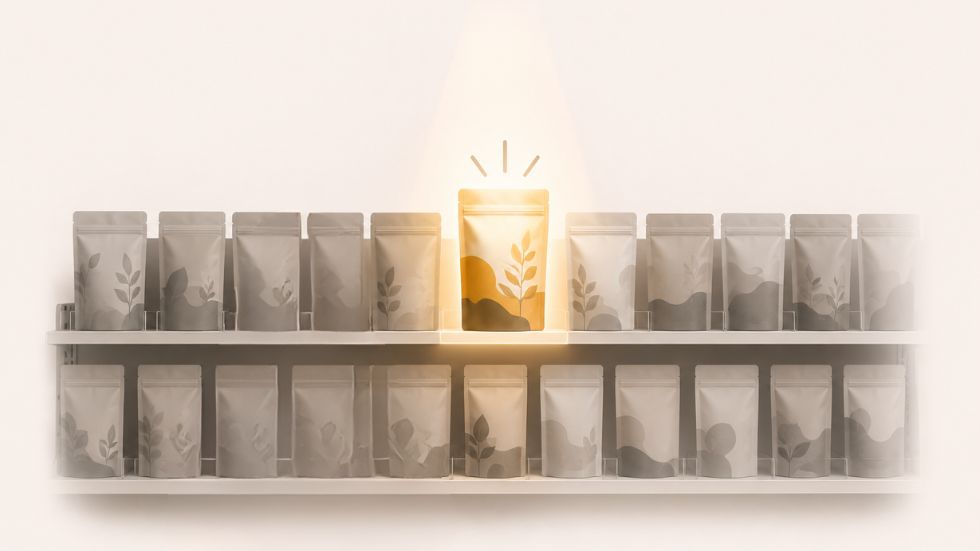
Modern consumers are exposed to thousands of marketing messages every day. Whether online or in physical stores, brands constantly compete for attention.
This is where packaging becomes incredibly important. On a crowded shelf filled with similar products, strong packaging acts like a visual spotlight. It helps customers notice the product quickly and understand what makes it different from competitors.
A product may offer exceptional quality, but if its packaging fails to capture attention, customers may never give it the opportunity it deserves. Visibility is often the first step toward consideration.
Packaging Communicates Brand Positioning
Without saying a single word, packaging tells customers where a brand belongs in the market.
Luxury brands often use clean layouts, premium materials, elegant typography, and restrained color palettes to communicate exclusivity. Affordable brands may focus on clarity, accessibility, and practical information that emphasizes value.
Every design choice sends a message. Customers use these visual signals to determine whether the product aligns with their expectations, preferences, and budget. This is why successful packaging always supports the broader brand positioning rather than working against it.
Trust Begins with Visual Consistency
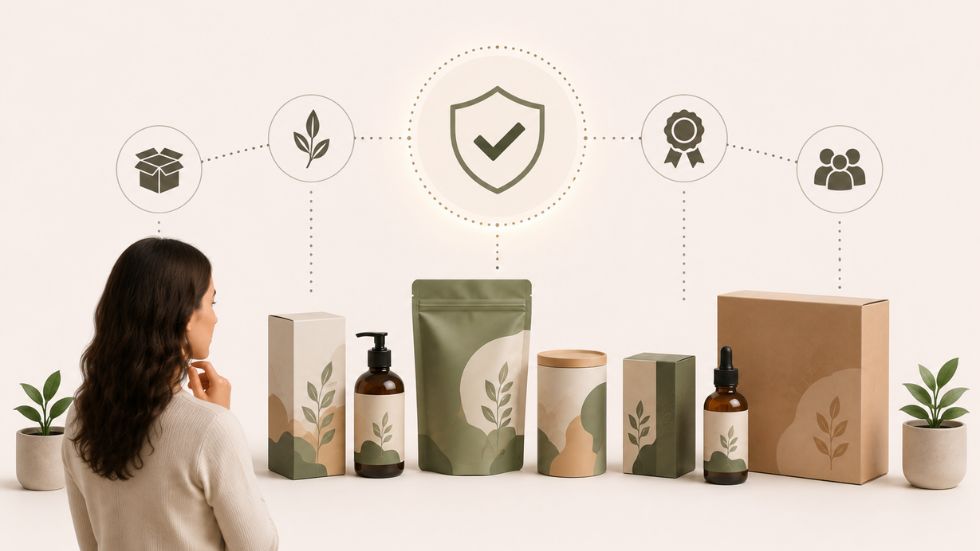
Imagine purchasing a premium product whose packaging looks poorly designed or inconsistent. Even if the product itself is excellent, some customers may hesitate because the presentation feels unprofessional.
Packaging often serves as a shortcut for evaluating credibility. People naturally assume that brands paying attention to details on the outside are also paying attention to quality on the inside.
When packaging feels polished, clear, and aligned with the brand identity, it helps build trust immediately. Consistency between packaging, branding, and product experience reassures customers that they are making a reliable choice.
Also Read: Premium Pricing vs Affordable Branding: What Builds Trust?
The Unboxing Experience Matters More Than Ever
Packaging no longer influences only the purchase decision. It now plays a major role after the sale as well.
Social media has transformed unboxing into part of the customer experience. Many consumers share purchases online, post product photos, and create videos showing how products are packaged. Because of this, packaging has become a marketing tool that continues working long after a transaction is completed.
Brands that create memorable unboxing experiences often generate additional visibility, customer excitement, and word-of-mouth promotion without spending extra on advertising.
Simplicity Often Wins
One common misconception is that packaging needs to be complicated to attract attention. In reality, simplicity is often more effective.
When customers are surrounded by choices, clear and focused packaging can stand out more than designs filled with excessive graphics, colors, and information. Simple packaging helps people quickly understand the product and reduces the effort required to make a decision.
The goal is not to include everything. The goal is to communicate the most important message as clearly and effectively as possible.
Small Details Can Influence Big Decisions
Something as simple as a color choice, material finish, shape, or typography style can influence how customers perceive a product. These details may seem minor individually, but together they create a powerful overall impression.
Many purchasing decisions happen within seconds, especially in retail environments where consumers are comparing multiple products simultaneously. During that brief moment, packaging often becomes the deciding factor between one product and another.
This is why successful brands treat packaging as a strategic branding tool rather than an afterthought.
Packaging is much more than a container. It is often the first conversation a brand has with a customer and one of the most powerful influences on purchasing decisions.
From creating emotional connections and communicating brand positioning to building trust and improving product visibility, packaging shapes how people perceive products before they ever experience them. In a world filled with endless choices, those first few seconds matter more than ever.
The brands that understand this recognize that great packaging is not simply about looking attractive. It is about helping customers feel confident enough to choose one product over another.
FAQs
1. Why is packaging important in marketing?
Packaging creates first impressions, communicates brand identity, and influences purchasing decisions before customers experience the product.
2. How quickly do consumers judge packaging?
Research shows that consumers often form opinions about products within seconds of seeing them, making packaging a crucial factor in decision-making.
3. Can packaging affect brand trust?
Yes. Professional, consistent, and well-designed packaging often makes products appear more reliable and trustworthy.
4. What packaging elements influence buying decisions?
Colors, typography, materials, layout, shape, imagery, and overall presentation all affect customer perception.
5. Why is the unboxing experience important?
A positive unboxing experience can increase customer satisfaction, encourage social sharing, and strengthen brand loyalty after purchase.
