
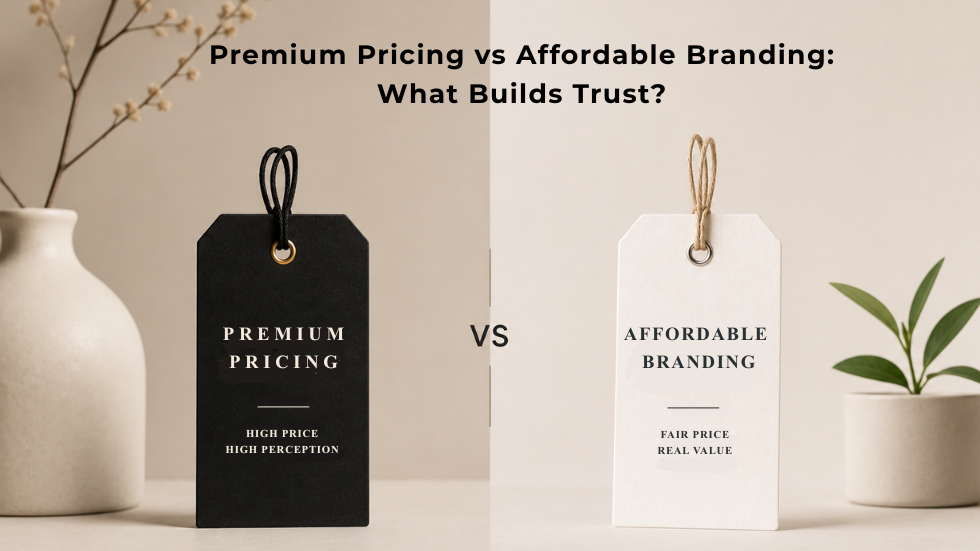
Imagine walking into two completely different stores. One feels luxurious the moment you enter. The lighting is soft, the interiors are minimal, the packaging looks elegant, and even the products are displayed like art pieces. The prices are high enough to make you stop and think before touching anything.
Now imagine another store that feels simpler and more approachable. Bright displays, attractive offers, practical packaging, and products designed for everyday use. Nothing feels intimidating, and customers walk in comfortably without worrying about spending too much.
What’s interesting is that people trust both kinds of brands, but for completely different psychological reasons.
That’s what makes pricing such a powerful part of branding. Price is not just about money. It silently influences how people perceive quality, value, reliability, and even status before they ever experience the product itself.
Why Expensive Brands Feel More Trustworthy

For decades, people have naturally associated higher prices with better quality. Even when customers know nothing about a product, expensive branding often creates the impression that it must be more reliable, premium, or carefully made.
Luxury brands understand this psychology extremely well. Every detail, from packaging and store design to advertising and customer experience, is created to justify the premium price emotionally, not just practically.
When people see expensive products, they often assume things like:
- Better quality
- Better craftsmanship
- Better experience
- Higher status
In many cases, customers are not only paying for the product itself. They are paying for confidence, exclusivity, and the emotional feeling attached to owning something considered premium.
Affordable Branding Builds Trust in a Different Way
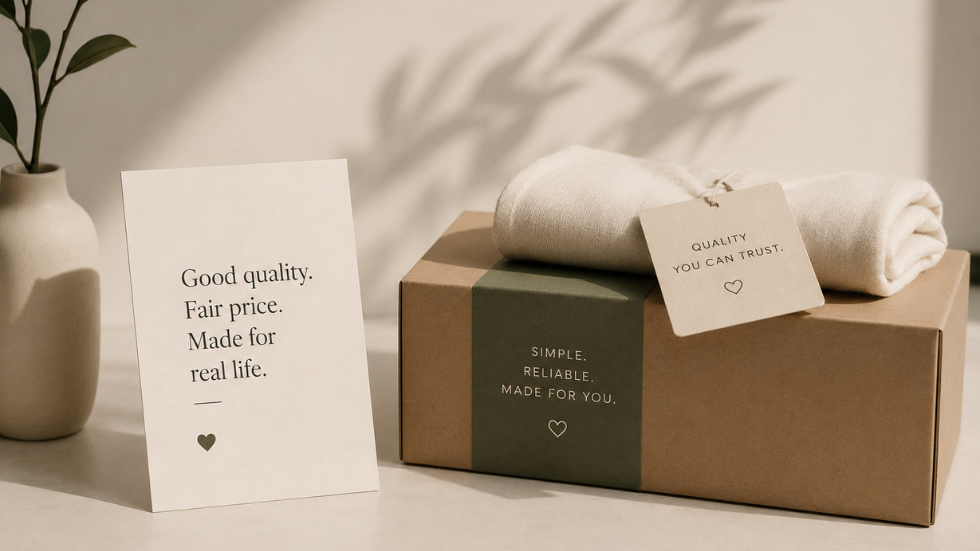
Affordable brands build trust through comfort and accessibility rather than exclusivity. They make customers feel like the brand genuinely understands their daily needs, financial priorities, and lifestyle.
This type of branding often feels more relatable because it removes pressure. Customers appreciate brands that provide good value without making them feel like they have to overspend just to get quality.
That’s why some affordable brands develop incredibly loyal audiences. People trust them because they consistently deliver practical value and make customers feel financially smart instead of emotionally pressured.
Affordable branding may not create luxury appeal, but it creates emotional reliability, which is equally powerful.
Trust Is Not Really About Price
One of the biggest misconceptions in branding is that expensive products automatically create trust while affordable products weaken it. In reality, pricing alone does not build credibility.
Consistency does.
An expensive brand that fails to deliver quality quickly loses customer trust because expectations are much higher. At the same time, an affordable brand that compromises too much on quality or customer experience can also damage its reputation very quickly.
Customers don’t mind paying premium prices when the experience feels worth it. And they don’t mind affordable pricing as long as the brand still feels dependable and honest.
At the end of the day, trust comes from whether the brand delivers what it promises.
Premium Branding Sells Aspiration
Luxury branding often succeeds because people emotionally connect with aspiration. Premium products usually represent success, confidence, exclusivity, or a certain lifestyle customers want to associate themselves with.
That’s why premium brands focus heavily on presentation and experience. The packaging, the website, the store interiors, and even the way products are photographed online all contribute to the emotional value of the brand.
In many situations, customers are not simply buying a product. They are buying the feeling attached to owning it.
That emotional positioning creates stronger attachment and makes premium branding feel desirable beyond functionality.
Affordable Branding Sells Relatability
Affordable branding succeeds because it feels approachable and realistic. Instead of making customers feel like outsiders, it makes them feel understood.
The messaging of affordable brands usually focuses on convenience, practicality, and everyday value. Customers trust these brands because they feel dependable and transparent rather than overly aspirational.
This kind of branding creates emotional safety. People know what to expect, and that predictability builds long-term loyalty over time.
Affordable brands may not always feel exclusive, but they often feel more emotionally accessible, which creates a very different type of trust.
Social Media Changed Pricing Psychology
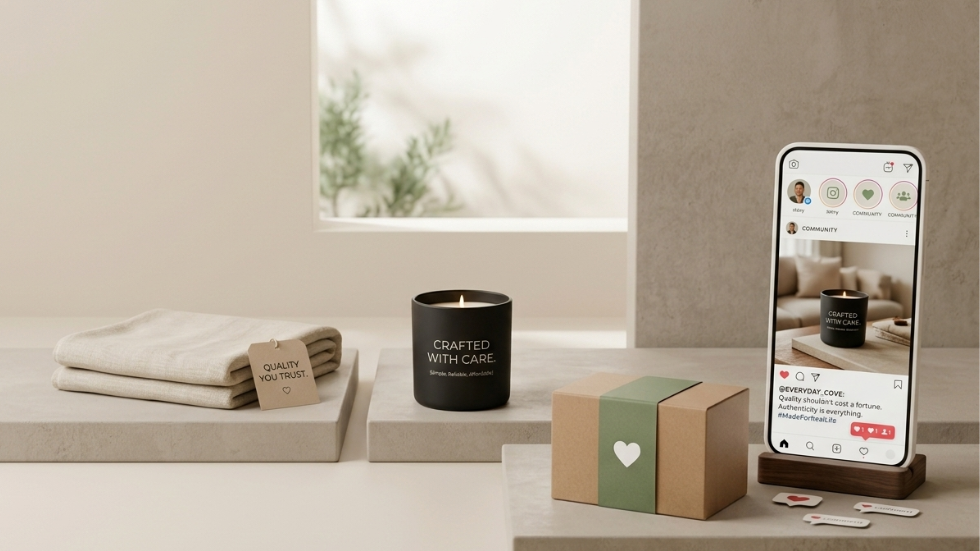
Years ago, premium branding mostly belonged to luxury stores, celebrity endorsements, and expensive advertising campaigns. But social media completely changed how audiences perceive pricing and value.
Today, affordable brands can look premium online through strong storytelling, aesthetic packaging, content creation, and good customer experience. At the same time, premium brands are now expected to feel more relatable and authentic than before.
Because of this shift, trust no longer comes only from high prices or luxury positioning. People now pay much more attention to authenticity, experience, and emotional connection.
That’s why some smaller affordable brands are building stronger communities online than large luxury companies.
People Buy Value, Not Just Products
One customer may happily spend thousands on luxury fashion because it makes them feel confident, successful, and emotionally satisfied. Another customer may proudly choose a budget-friendly alternative because it feels practical, useful, and financially responsible.
Both customers trust their chosen brands because both brands successfully delivered value in different ways.
This is something many businesses misunderstand. Customers are not simply buying products based on pricing alone. They are buying the emotional meaning attached to that price.
Sometimes people want aspiration and status. Other times they want comfort, practicality, and reliability.
The truth is, both premium pricing and affordable branding can build strong customer trust when executed correctly. Neither strategy is automatically better because both appeal to different emotions and audiences.
Premium brands build trust through exclusivity, quality, and elevated experiences. Affordable brands build trust through accessibility, practicality, and consistency.
The brands that truly succeed are the ones that understand their audience deeply, stay consistent with their positioning, and deliver experiences that match customer expectations.
Because at the end of the day, trust is not built by being expensive or affordable. It’s built by making customers feel that they made the right choice.
FAQs
1. Does premium pricing automatically create trust?
No. Premium pricing creates expectations of higher quality, but trust only develops when the brand delivers the promised experience.
2. Why do people trust affordable brands?
Affordable brands often feel practical, relatable, and dependable, which creates emotional comfort and loyalty.
3. Can affordable brands feel premium?
Yes. Strong branding, packaging, storytelling, and customer experience can make affordable brands appear premium.
4. What matters more in branding: price or experience?
Experience matters more because customers judge whether the overall value matches the price they paid.
5. How do brands build long-term trust?
Consistency, quality, authenticity, and delivering on promises help brands build long-term customer trust.
