
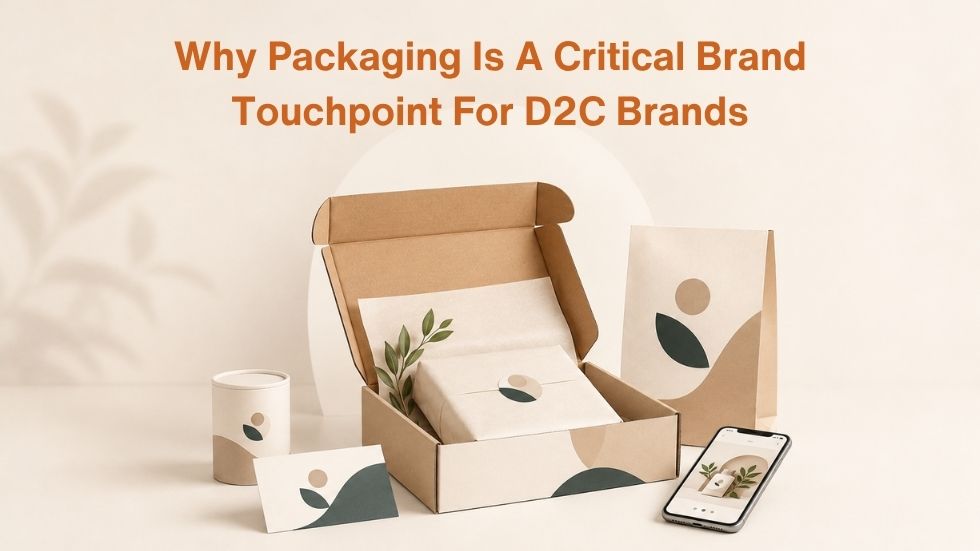
A customer discovers a product on Instagram, clicks through to the website, reads a few reviews, and decides to place an order. A few days later, a package arrives at their doorstep. Before they try the product, before they decide whether to buy again, and before they tell their friends about the brand, they have already formed an impression.
That impression often comes from the packaging.
For direct-to-consumer brands, packaging is far more than a shipping necessity. It becomes one of the few physical interactions customers have with the brand. In a business model where most customer journeys begin online, packaging serves as the bridge between the digital experience and the real-world product experience. This is why D2C Branding and Packaging Design has become such an important investment for modern brands looking to create memorable customer experiences.
D2C Brands Operate Differently
Traditional retail brands have multiple opportunities to influence customer perception before a purchase happens. Customers may see products on store shelves, interact with sales staff, or compare packaging alongside competitors in a physical environment.
D2C brands don’t have those same advantages. Most interactions happen through websites, advertisements, emails, and social media marketing. This means the moment a customer receives their order becomes incredibly important because it is often the first tangible experience they have with the brand. Packaging suddenly becomes much more than a container. It becomes part of the overall branding experience.
Because of this, successful D2C companies treat packaging as a strategic brand asset rather than an afterthought.
Packaging Turns a Transaction Into an Experience
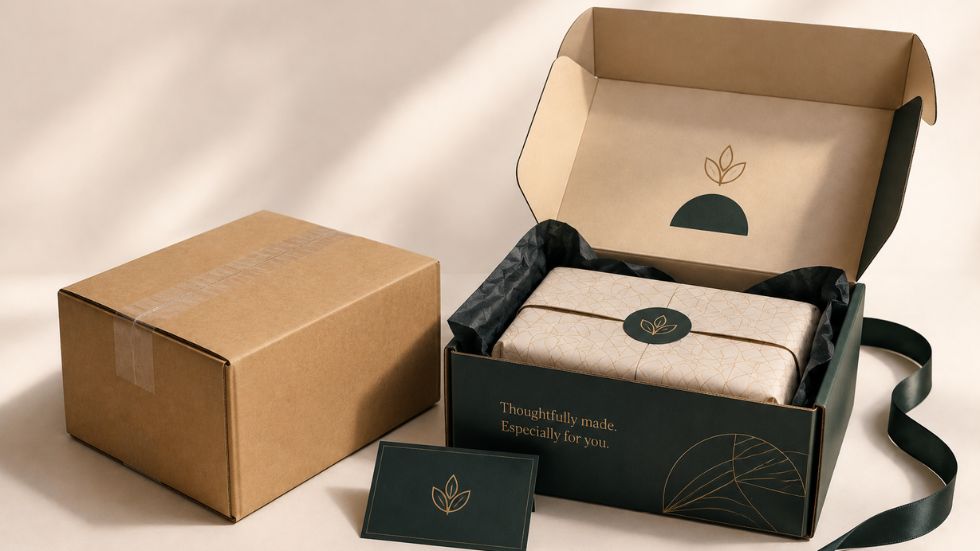
Think about the difference between receiving a plain brown box and receiving a thoughtfully designed package that immediately feels aligned with the brand’s personality. The product inside may be identical, but the emotional response can be completely different.
Packaging has the ability to create excitement, anticipation, and curiosity. It transforms a simple delivery into an experience that customers remember. Every design decision, from materials and colors to messaging and presentation, contributes to how the brand is perceived.
When packaging feels intentional, customers often associate that same level of care with the product itself.
Also Read: How Packaging Influences Buying Decisions In Seconds
First Impressions Don’t End at the Website
Many businesses invest heavily in website design because they understand the importance of creating a positive first impression online. However, for D2C brands, that first impression continues long after a customer completes a purchase.
The packaging effectively becomes an extension of the website. If a brand presents itself as premium, modern, sustainable, or innovative online, customers expect the packaging to reinforce those same qualities when the order arrives.
Consistency between website design, product presentation, and packaging helps strengthen trust. When every touchpoint feels connected, customers gain confidence that the brand delivers on its promises.
Packaging Reinforces Brand Identity
Customers remember brands that create consistent experiences. This is why packaging plays such a significant role in long-term brand recognition.
Elements such as logo design, typography, colors, illustrations, materials, and graphic design help reinforce the visual identity customers encountered before making a purchase. Every package becomes another opportunity to strengthen familiarity and recognition.
Over time, repeated exposure to these visual elements helps customers build stronger associations with the brand, making it easier to remember and recognize in the future.
The Unboxing Experience Has Become Marketing
Not long ago, packaging existed mainly to protect products during shipping. Today, it serves an entirely different purpose as well.
Social media has transformed unboxing into a marketing opportunity. Customers frequently share purchases through photos, videos, stories, and reviews. A memorable unboxing experience can generate organic exposure that reaches audiences far beyond the original customer.
For D2C brands, this creates an opportunity to extend marketing efforts without spending additional advertising dollars. Well-executed packaging can encourage customers to share their experience naturally, helping the brand reach new audiences through authentic recommendations.
Packaging Communicates Quality
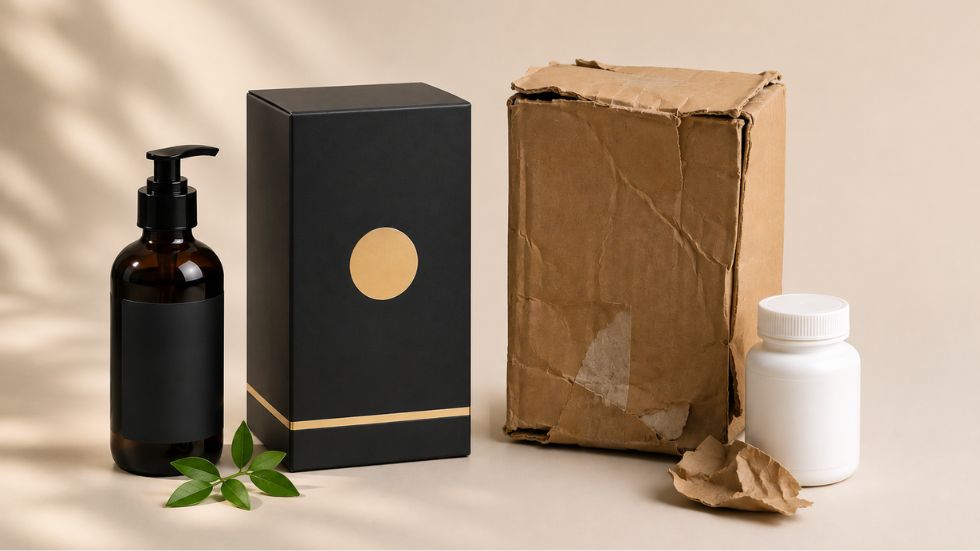
Customers often use visual cues to judge product quality before they ever use the product itself. This happens automatically and often within seconds.
High-quality packaging materials, thoughtful design, and attention to detail can create perceptions of reliability and professionalism. On the other hand, poorly designed packaging can create doubts, even if the product itself is excellent.
Because customers cannot physically interact with products before purchasing from most D2C brands, packaging becomes one of the strongest indicators of quality once the product arrives.
Also Read: Packaging Design Mistakes That Can Hurt Your Brand
Packaging Helps Build Customer Loyalty
Acquiring new customers is important, but long-term success often depends on encouraging repeat purchases. Packaging can play a meaningful role in achieving that goal.
When customers enjoy the overall experience of receiving and opening a product, they are more likely to develop positive associations with the brand. Those positive experiences contribute to stronger emotional connections, which often influence future buying decisions.
A memorable package may only be seen for a few minutes, but the impression it creates can influence customer loyalty for much longer.
Every Brand Touchpoint Should Work Together
The strongest D2C brands understand that branding is not built through a single logo, advertisement, or website page. It is built through the combined effect of every customer interaction.
A customer may first encounter a brand through social media marketing, then visit the website, receive email communication, place an order, and finally experience the packaging. If each touchpoint communicates a different message, the brand can feel fragmented and forgettable.
This is why many businesses invest in a cohesive D2C Branding and Packaging Design strategy. When visual identity, messaging, packaging, and customer experience all work together, the brand becomes significantly stronger and more memorable.
Packaging Creates Differentiation in Competitive Markets
The D2C landscape has become increasingly competitive across nearly every industry. Customers have more choices than ever before, which means brands must work harder to stand out.
While competitors can often copy products, pricing strategies, or marketing tactics, it is much harder to replicate a complete brand experience. Packaging gives brands an opportunity to create something distinctive that customers immediately associate with them.
A unique packaging experience helps create differentiation that extends beyond the product itself and contributes to a stronger overall brand presence.
For D2C brands, packaging is much more than a protective layer around a product. It is one of the most important brand touchpoints in the entire customer journey.
From reinforcing brand identity and communicating quality to creating memorable experiences and encouraging customer loyalty, packaging influences how customers perceive the brand long after they complete a purchase. In many cases, it serves as the first physical expression of everything the brand represents.
The most successful D2C brands recognize that great packaging is not simply about aesthetics. It is about creating a consistent, meaningful experience that strengthens the connection between the customer and the brand at every stage of the journey.
