
Walk down any supermarket aisle and you’ll notice something interesting. Hundreds of products are competing for attention at the exact same moment. Some immediately catch your eye, some feel trustworthy, and others are forgotten almost instantly.
What’s surprising is that customers often make these decisions before they know anything about the product itself.
Packaging plays a major role in shaping those first impressions. It communicates quality, personality, value, and credibility in a matter of seconds. When packaging is designed well, it can strengthen a brand and encourage purchases. When mistakes are made, however, even a great product can struggle to earn customer attention or trust.
Trying to Say Too Much at Once
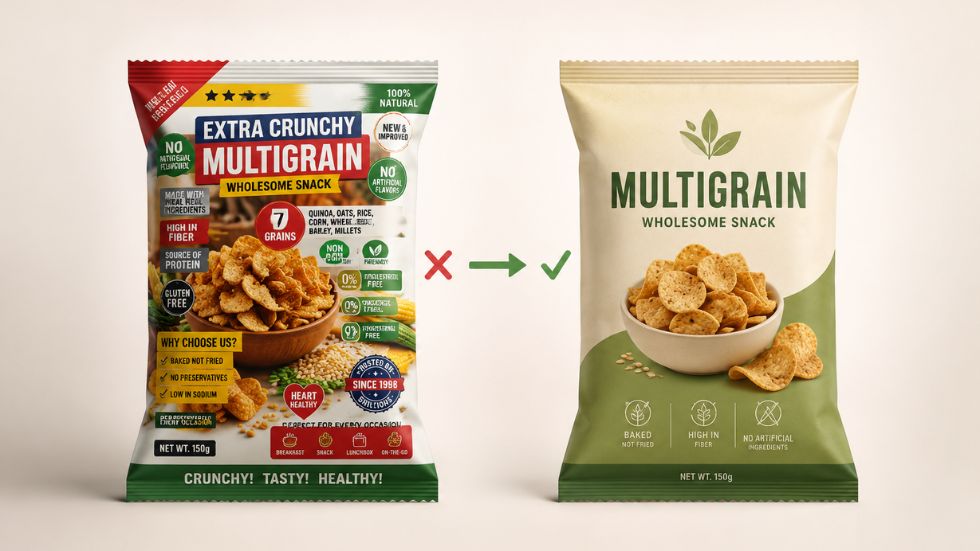
One of the most common packaging mistakes is attempting to communicate everything at the same time. Brands often feel pressured to include every feature, benefit, certification, message, and design element on the packaging.
The result is usually visual clutter. Instead of helping customers understand the product, excessive information makes it harder to identify the most important message. Consumers are often making quick decisions, and overwhelming them with too much information can create confusion rather than confidence.
Good packaging prioritizes clarity. The strongest designs communicate the most important information quickly and allow customers to understand the product without effort.
Ignoring the Target Audience
Packaging that looks attractive to a designer may not necessarily appeal to the intended customer. One of the biggest mistakes brands make is designing based on personal preferences instead of audience expectations.
A product aimed at young professionals will likely require a different visual approach than one targeting families, luxury consumers, or budget-conscious shoppers. Colors, typography, imagery, and materials all influence how different audiences perceive a product.
When packaging fails to connect with the people it is designed for, it becomes much harder for customers to see themselves choosing the product over competing alternatives.
Inconsistent Branding Across Products
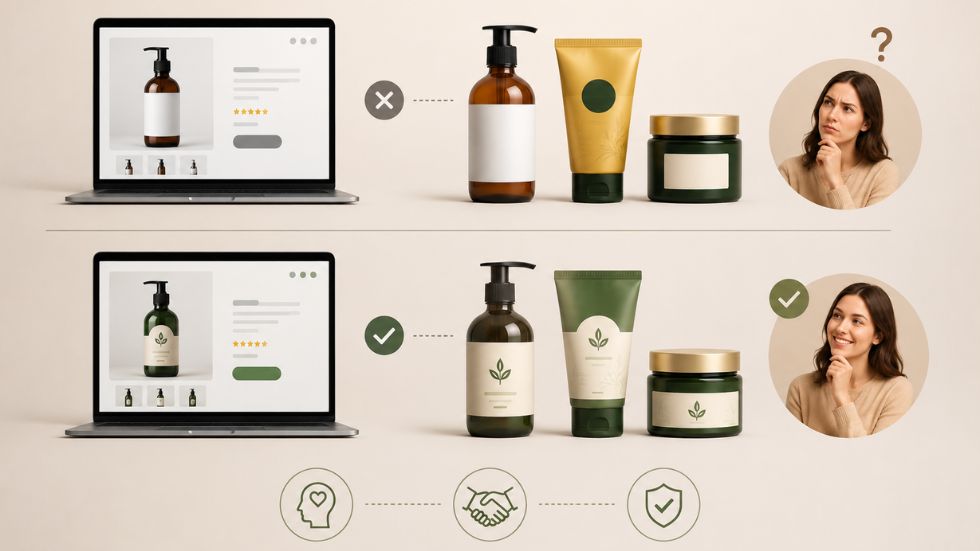
Imagine seeing a product online, then spotting it on a store shelf and not realizing it belongs to the same brand. This happens more often than many businesses realize.
When packaging looks disconnected from a company’s overall branding, customers may struggle to recognize the brand across different platforms and touchpoints. Logos, colors, typography, and design styles should work together to create a consistent experience.
Consistency builds familiarity, and familiarity helps build trust. Packaging should feel like a natural extension of the brand rather than a completely separate visual identity.
Prioritizing Creativity Over Clarity
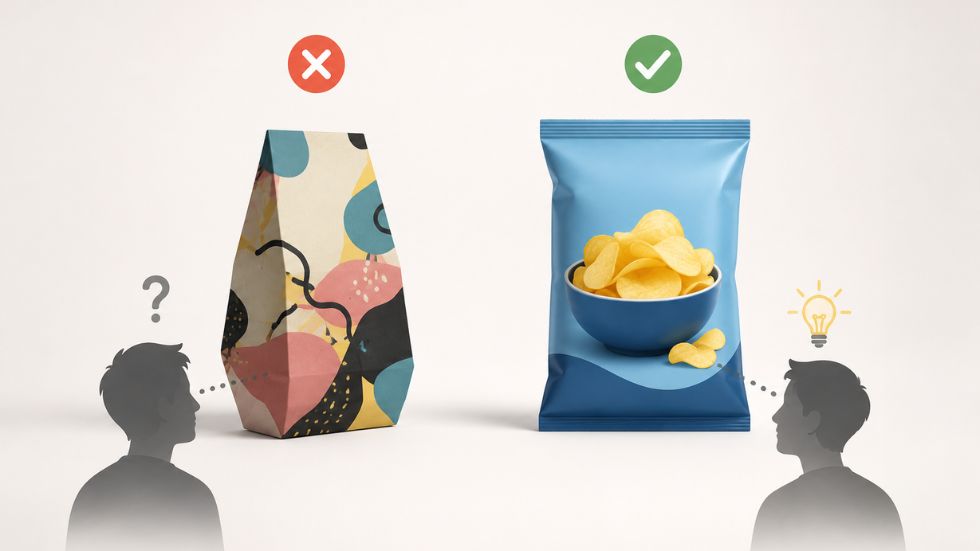
Creativity is an important part of packaging design, but it should never come at the expense of communication. Some brands become so focused on creating something unique that customers struggle to understand what the product actually is.
If shoppers cannot quickly identify the product category, key benefits, or intended use, the design may be working against the brand rather than helping it. Attention is valuable, but understanding is even more important.
The best packaging designs balance creativity with clarity, ensuring that the product remains easy to recognize while still standing out from competitors.
Using Poor Typography
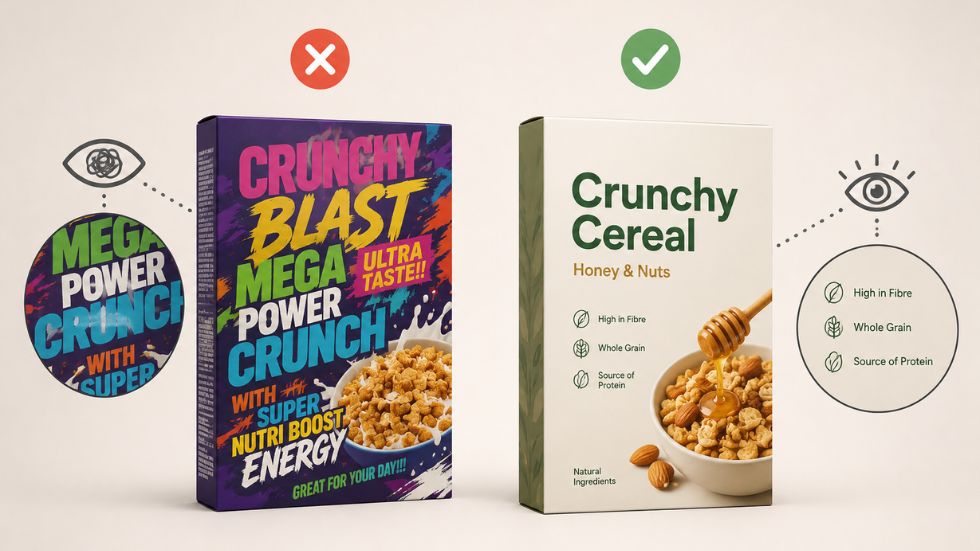
Typography often receives less attention than colors or graphics, yet it plays a crucial role in packaging effectiveness. Difficult-to-read fonts, inconsistent text styles, or poor hierarchy can make important information difficult to find.
Customers should be able to quickly identify product names, benefits, instructions, and other essential details without straining to read the packaging. When typography feels cluttered or confusing, the entire product can appear less professional.
Strong typography improves readability while also reinforcing the brand’s personality and positioning within the market.
Failing to Stand Out on the Shelf
Many industries have established visual trends that brands naturally follow. While these trends can help products feel familiar, they can also make packaging blend into the crowd.
If every product in a category uses similar colors, layouts, and imagery, customers may struggle to notice any meaningful differences between brands. A product can easily get lost among competitors despite offering superior quality or value.
Successful packaging finds ways to create distinction while still meeting customer expectations. The goal is to be recognizable and memorable without feeling disconnected from the category.
Also Read: How Packaging Influences Buying Decisions In Seconds
Overlooking Practical Functionality
Packaging is not only about appearance. It also needs to function effectively in the real world. Customers interact with packaging long after they make a purchase, which means usability matters just as much as aesthetics.
Difficult-to-open boxes, confusing labels, fragile materials, or inconvenient designs can create frustration that affects the overall brand experience. Even beautifully designed packaging can leave a negative impression if it creates unnecessary inconvenience.
Good packaging considers both visual appeal and practical usability to deliver a complete customer experience.
Neglecting the Unboxing Experience
Today’s customers often share purchases online, making packaging more visible than ever before. What happens after the product is purchased can influence brand perception just as much as what happens before the sale.
Packaging that feels thoughtful, organized, and premium can make customers feel more confident about their purchase. On the other hand, poor presentation can reduce excitement and weaken the overall experience.
Brands that invest in memorable unboxing experiences often create stronger emotional connections and increase the likelihood of customer recommendations and repeat purchases.
Treating Packaging as an Afterthought
Perhaps the biggest mistake of all is viewing packaging as something that simply holds the product. In reality, packaging is often one of the most powerful marketing tools a brand possesses.
Customers interact with packaging before they experience the product, making it a critical part of the decision-making process. Every design choice influences perception, whether it’s intentional or not.
When businesses treat packaging as a strategic branding asset rather than a final design task, they create stronger opportunities to attract attention, build trust, and influence purchasing decisions.
Also Read: The Key Elements of Effective Packaging Design
Packaging design has the power to strengthen or weaken a brand within seconds. From creating first impressions and communicating value to building trust and supporting brand recognition, every design element contributes to how customers perceive a product.
Many packaging mistakes are not dramatic or obvious. Small issues such as cluttered layouts, inconsistent branding, poor typography, or weak differentiation can gradually affect how customers view the brand and whether they choose it over competitors.
The most effective packaging combines clarity, consistency, functionality, and visual appeal. When those elements work together, packaging becomes much more than a container. It becomes a powerful extension of the brand itself.
FAQs
1. Why is packaging design important for branding?
Packaging is often the first interaction customers have with a product. It influences perception, trust, and purchasing decisions before the product is even used.
2. What is the most common packaging design mistake?
One of the most common mistakes is overcrowding packaging with too much information, which can make products appear confusing and difficult to understand.
3. How does packaging affect customer trust?
Professional, consistent, and well-organized packaging often makes products appear more credible and reliable, helping customers feel confident in their purchase.
4. Why is packaging consistency important?
Consistent packaging strengthens brand recognition and helps customers identify products across different channels and touchpoints.
5. Can packaging influence repeat purchases?
Yes. Positive experiences with packaging, including functionality and unboxing, can improve customer satisfaction and encourage repeat purchases.
