
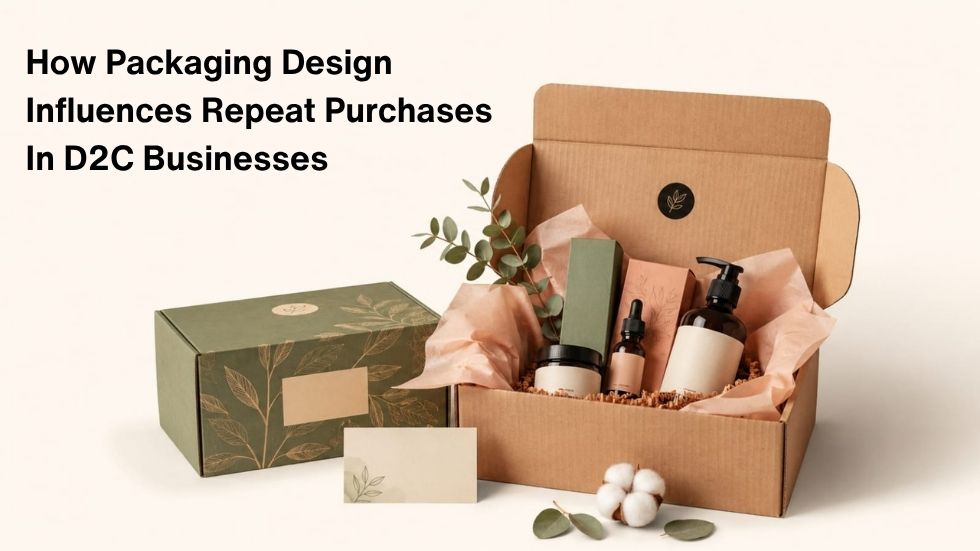
A customer discovers a new skincare brand online and decides to place an order. The website looks professional, the product reviews are convincing, and the social media content feels authentic. A few days later, the package arrives. The customer opens the box, notices the thoughtful presentation, feels impressed by the attention to detail, and enjoys the product inside.
Months later, when it’s time to reorder, something interesting happens.
The customer may not remember every advertisement they saw or every marketing message they read. However, they often remember how the brand made them feel. The packaging, the presentation, and the overall experience become part of that memory. This is one of the reasons packaging design plays such a powerful role in encouraging repeat purchases for D2C businesses.
Repeat Purchases Are Built on More Than Product Quality
Product quality will always be important, but it is rarely the only factor that determines whether customers return. Many products today offer similar features, benefits, and pricing. As competition continues to increase, customer experience often becomes the deciding factor.
For D2C brands, packaging is a major part of that experience. Unlike traditional retail environments where customers interact with products before purchasing, D2C businesses often rely on digital channels such as website design and social media marketing to attract buyers. When the product finally arrives, the packaging becomes one of the most important physical touchpoints in the customer journey.
A memorable experience can strengthen the relationship between the customer and the brand long after the initial purchase.
Also Read: Why Packaging Is A Critical Brand Touchpoint For D2C Brands
Packaging Creates Emotional Connections
People rarely become loyal to products alone. More often, they become loyal to how a brand makes them feel. Packaging has a unique ability to create emotional reactions because it transforms a simple delivery into a more meaningful experience.
Opening a thoughtfully designed package can create excitement, anticipation, satisfaction, and even surprise. These emotions become associated with the brand itself. Over time, those positive feelings contribute to stronger customer loyalty and make future purchases more likely.
When customers enjoy the experience surrounding a product, they often look forward to receiving it again. That anticipation becomes an important driver of repeat business.
First Impressions Influence Future Decisions
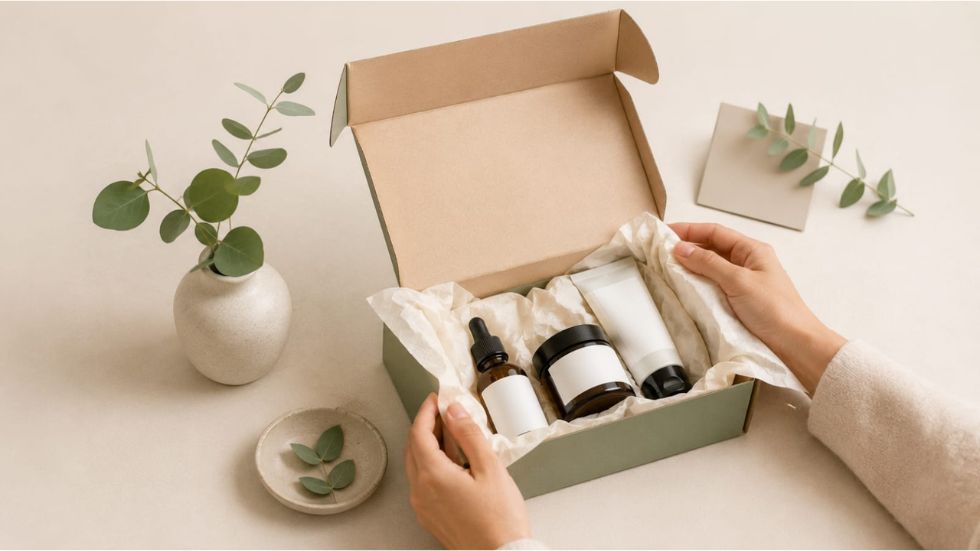
Many businesses focus heavily on acquiring customers but pay less attention to what happens after the purchase. In reality, the first delivery experience often shapes how customers feel about future interactions with the brand.
Packaging communicates professionalism, quality, and attention to detail. If the presentation feels polished and intentional, customers are more likely to believe the company cares about every aspect of the experience. That confidence can influence whether they choose to buy again.
Even when the product itself meets expectations, packaging can elevate the overall experience and leave a stronger lasting impression.
Consistency Builds Trust Over Time
Trust is one of the most valuable assets a brand can develop, especially in the D2C space. Customers are often purchasing products without ever visiting a physical store or speaking directly with a representative. Because of this, every interaction contributes to their perception of reliability.
Consistent packaging helps reinforce trust by creating familiarity. Customers begin recognizing the colors, logo design, visual identity, and presentation style associated with the brand. Each delivery reinforces those associations and strengthens recognition.
As trust grows, customers become more comfortable purchasing repeatedly because they know what to expect from the experience.
Packaging Reinforces Brand Identity
Strong branding relies on repetition. Customers are more likely to remember brands that consistently communicate the same visual and emotional message across every touchpoint.
Packaging design helps reinforce that message by bringing together elements such as logo design, graphic design, typography, colors, and brand personality. When these elements align with the company’s website design and social media marketing efforts, the customer experiences a unified brand story.
The more often customers encounter consistent branding, the easier it becomes for them to remember the brand when they are ready to purchase again.
Memorable Packaging Encourages Word-of-Mouth
Repeat purchases are not the only benefit of effective packaging. Customers who enjoy the unboxing experience often become enthusiastic advocates for the brand as well.
Many consumers share purchases through social media posts, stories, and videos. Attractive packaging can encourage customers to showcase their experience, creating additional exposure for the brand. This type of organic promotion helps strengthen customer relationships while also introducing the brand to potential new buyers.
When customers actively share their positive experiences, they become part of the brand’s marketing ecosystem.
Also Read: What Makes Customers Remember a Brand?
Convenience Matters Too
Packaging is not only about aesthetics. Functionality plays an equally important role in shaping customer satisfaction. Packaging that protects products properly, opens easily, stores conveniently, or supports product usage can significantly improve the customer experience.
On the other hand, frustrating packaging can create negative associations regardless of how attractive it looks. Customers appreciate designs that balance visual appeal with practicality because they make interactions easier and more enjoyable.
A positive experience from beginning to end increases the likelihood of future purchases.
Packaging Helps Differentiate D2C Brands
As more businesses enter the direct-to-consumer market, differentiation becomes increasingly important. Customers often compare multiple brands offering similar products before making a decision.
While competitors can replicate products or pricing strategies, they often struggle to replicate a complete brand experience. Packaging gives companies an opportunity to create a unique identity that customers remember long after the purchase.
This is one reason many businesses invest in professional D2C Branding and Packaging Design services. A well-executed packaging strategy can help create stronger emotional connections and improve customer retention over time.
The Customer Experience Doesn’t End After Checkout
Many brands think of packaging as the final step in the purchasing process. In reality, it is often the beginning of the next customer relationship cycle.
Every package represents an opportunity to reinforce brand values, strengthen trust, improve customer satisfaction, and encourage future engagement. When customers consistently receive positive experiences, they become more likely to return, recommend the brand to others, and develop long-term loyalty.
For D2C businesses, packaging should be viewed as an investment in customer retention rather than simply a shipping requirement.
Packaging design influences far more than first impressions. It plays a significant role in shaping customer experiences, building emotional connections, reinforcing branding, and encouraging repeat purchases.
For D2C brands, packaging often serves as the most important physical touchpoint in an otherwise digital customer journey. The way products are presented can affect how customers perceive quality, trustworthiness, and overall brand value.
Businesses that treat packaging as a strategic branding tool rather than an operational necessity are often better positioned to build stronger customer relationships and increase long-term loyalty. In a competitive market where customer retention matters more than ever, great packaging can become a powerful advantage.
