

Every day, people encounter hundreds of brands without even realizing it. They scroll past advertisements, browse websites, walk through stores, watch videos, and interact with businesses online. Yet despite this constant exposure, only a small number of brands remain in their minds long after the interaction is over.
This isn’t because those brands have the biggest budgets or the loudest marketing campaigns. In many cases, customers remember them because they consistently create experiences that are easy to recognize, meaningful to their audience, and difficult to confuse with competitors.
The question isn’t simply how customers discover a brand. The real question is what makes them remember it when countless other options are competing for their attention.
Recognition Starts With a Strong Visual Identity
Before customers remember a company, they first need to recognize it. This is where visual branding plays a critical role. Elements such as logos, colors, typography, imagery, and overall design help create a distinct identity that customers can identify quickly.
A thoughtful logo design often becomes one of the most recognizable assets a business owns. It appears across websites, packaging, advertisements, social media profiles, and marketing materials. Over time, repeated exposure helps customers associate that visual symbol with the brand itself.
Strong visual branding creates familiarity, and familiarity is often the first step toward memorability.
Consistency Builds Stronger Brand Recall
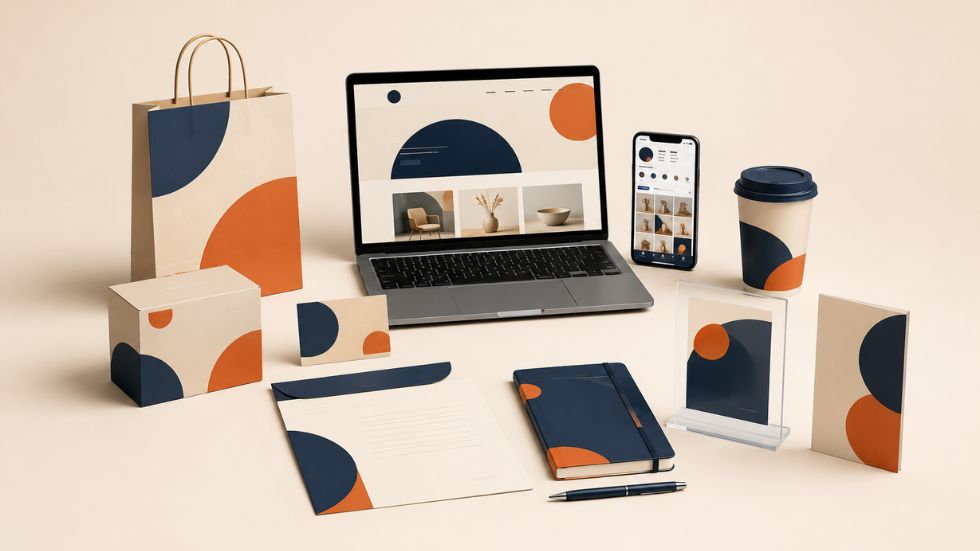
One of the biggest reasons customers forget brands is inconsistency. A company may have a great logo, a beautiful website, and attractive social media content, but if everything feels disconnected, people struggle to form a clear impression.
Memorable brands create consistency across every customer touchpoint. Their website design reflects the same personality as their social media marketing. Their packaging design supports the same message communicated through their advertisements. Every interaction feels connected to the larger brand identity.
When customers repeatedly encounter the same visual and emotional cues, it becomes much easier for them to remember the brand later.
Also Read: Brand Messaging Across Different Platforms: Maintaining Consistency
Emotions Leave Lasting Impressions
People often believe they remember brands because of facts or features. In reality, emotions usually play a much bigger role. Customers are far more likely to remember how a brand made them feel than they are to remember a list of product specifications.
Some brands create excitement. Others inspire trust, confidence, comfort, or aspiration. These emotional connections help brands occupy a unique space in the minds of customers, making them easier to recall in future purchasing decisions.
The strongest brands understand that memorable branding is not only about visual design. It is also about creating emotional experiences that people want to revisit.
Great Experiences Strengthen Brand Memory
A memorable brand is rarely built through marketing alone. Customer experiences often have an even greater influence on long-term recall. Every interaction contributes to the overall perception of the business.
A smooth website experience, responsive customer support, intuitive navigation, professional packaging, and consistent communication all reinforce the brand in the customer’s mind. Positive experiences create positive associations, and those associations become part of what customers remember.
When a brand consistently delivers on its promises, customers begin connecting the brand name with reliability and trust.
Distinctiveness Matters More Than Being Trendy
Many businesses make the mistake of following every design trend in an effort to appear modern. While trends can sometimes help a brand feel current, they rarely create lasting memorability on their own.
Customers remember brands that feel distinctive. They remember companies with unique visual identities, recognizable voices, and clear positioning. A business that looks and sounds like every competitor will struggle to stand out regardless of how polished its branding may be.
Memorable brands focus on creating their own identity rather than chasing every new trend that appears in the market.
Social Media Reinforces Recognition

Today’s customers interact with brands online more frequently than ever before. Social media has become one of the most powerful tools for strengthening brand recall because it allows businesses to appear consistently in front of their audience.
Effective social media marketing does more than promote products. It reinforces brand personality, visual identity, and messaging through repeated interactions. Every post, story, video, and graphic design element contributes to how customers perceive and remember the brand.
Over time, these small interactions accumulate, helping customers build stronger familiarity and recognition.
Packaging Can Make a Brand Unforgettable
For product-based businesses, packaging often becomes one of the most important branding tools available. Customers may only see an advertisement for a few seconds, but they often spend much longer interacting with product packaging.
Effective packaging design communicates quality, personality, and professionalism before the product is even used. It influences first impressions and shapes expectations about the overall brand experience.
In competitive markets where products offer similar benefits, memorable packaging can become a major factor in helping customers recognize and remember a brand.
Also Read: How Packaging Influences Buying Decisions In Seconds
A Clear Brand Story Creates Meaning
People naturally connect with stories. Facts may be forgotten, but stories often stay with us because they create context and meaning. This principle applies to branding as well.
Customers are more likely to remember a brand when they understand what it stands for, why it exists, and what makes it different. A compelling brand story gives people something deeper to connect with beyond products and services.
When customers understand the purpose behind a business, the brand becomes more than a company. It becomes something meaningful and memorable.
Every Touchpoint Contributes to Memory
Many businesses focus heavily on a single aspect of branding while overlooking everything else. In reality, customers do not experience brands in isolated pieces. They experience them as a complete system.
A logo, website, packaging, advertisements, social media content, customer service interactions, and visual communication all work together to shape perception. If one area feels disconnected, it can weaken the overall impression.
This is why many companies choose to work with a professional brand design company that understands how every element contributes to the larger brand experience. The goal is not simply to create attractive visuals but to create a brand that customers genuinely remember.
Customers remember brands that create consistent, meaningful, and distinctive experiences. While visual elements such as logo design, graphic design, website design, and packaging design play important roles, memorability goes beyond appearance alone.
The brands that stay in people’s minds are often those that combine strong visuals with emotional connections, clear messaging, and positive customer experiences. Every interaction contributes to how customers perceive and remember the business.
In an increasingly crowded marketplace, being seen is important. But being remembered is what ultimately helps a brand build recognition, trust, and long-term success.
