
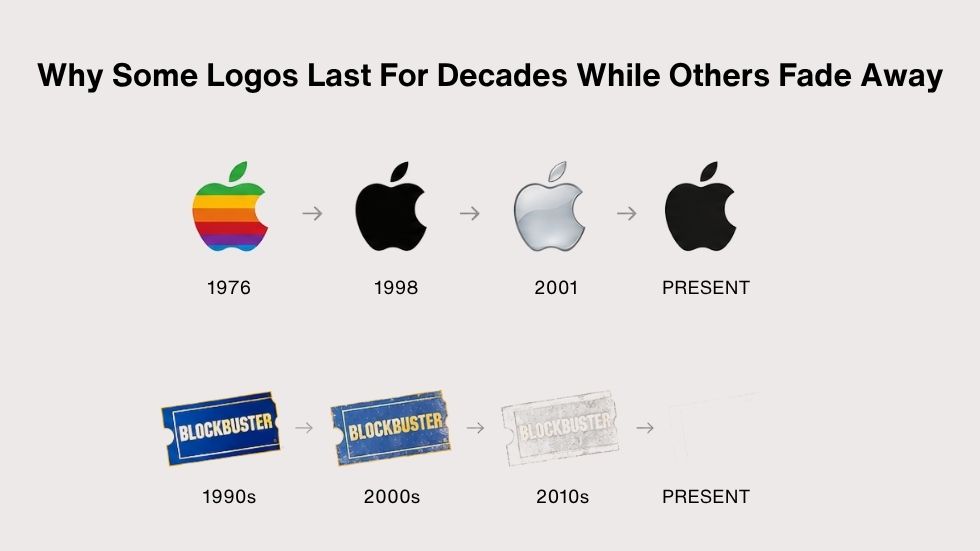
Walk through any city, scroll through social media, or glance around your home, and you’ll notice something interesting. Certain logos are instantly recognizable, even if you haven’t interacted with those brands in years. You can identify them from a distance, remember their shapes effortlessly, and sometimes even recall how they made you feel. Meanwhile, thousands of other logos appear, disappear, and are forgotten almost as quickly as they arrive. The difference is rarely accidental. Behind every enduring logo is a combination of thoughtful logo design, strategic branding, and a deep understanding of how people remember visual information.
Many businesses assume that creating a logo is simply a matter of choosing a symbol, selecting a font, and picking a color palette. While those elements are important, lasting logos are built on something much deeper. They are designed to survive changing trends, evolving markets, and shifting customer expectations. A logo that lasts for decades does far more than look attractive—it becomes a visual shortcut for everything a brand represents.
Memorable Logos Start With a Clear Purpose
One reason some logos remain relevant for decades is that they are created with a clear purpose rather than a temporary trend in mind. Before designers ever begin sketching concepts, they often spend time understanding the business, its audience, its values, and its long-term goals.
A logo designed around a clear brand identity tends to feel more authentic because it reflects something meaningful about the company. Instead of chasing what looks popular at a particular moment, it communicates what makes the business unique. As markets evolve and design trends come and go, that foundation remains relevant because it is rooted in the brand rather than in fashion.
The strongest logos often feel simple on the surface, but they are supported by a deeper strategic framework that gives them lasting power.
Also Read: What Makes A Logo Memorable? Key Elements Of Timeless Design
Trends Can Make Logos Age Faster
Design trends are exciting because they make brands feel modern and current. However, relying too heavily on trends can create problems in the future. What feels innovative today may feel outdated only a few years later.
Many logos that fade away were designed primarily to match a specific design trend rather than to support a long-term brand strategy. As visual preferences change, those logos begin to look tied to a particular period rather than timeless.
This doesn’t mean brands should ignore contemporary design principles. It simply means they should balance modern aesthetics with broader branding goals. Timeless logo design often focuses on clarity, relevance, and simplicity instead of following every new visual trend that emerges.
Simplicity Makes Recognition Easier
Think about the logos you can draw from memory. Chances are most of them are relatively simple. They do not rely on excessive detail, complicated illustrations, or intricate visual effects.
Simple logos are easier for the human brain to process and remember. They remain recognizable whether they appear on a billboard, a smartphone screen, a website header, or product packaging. Their versatility allows them to adapt to different environments without losing their identity.
This simplicity is often difficult to achieve because it requires designers to remove anything that does not serve a purpose. The result is a logo that feels effortless while remaining highly effective.
Consistency Builds Familiarity Over Time
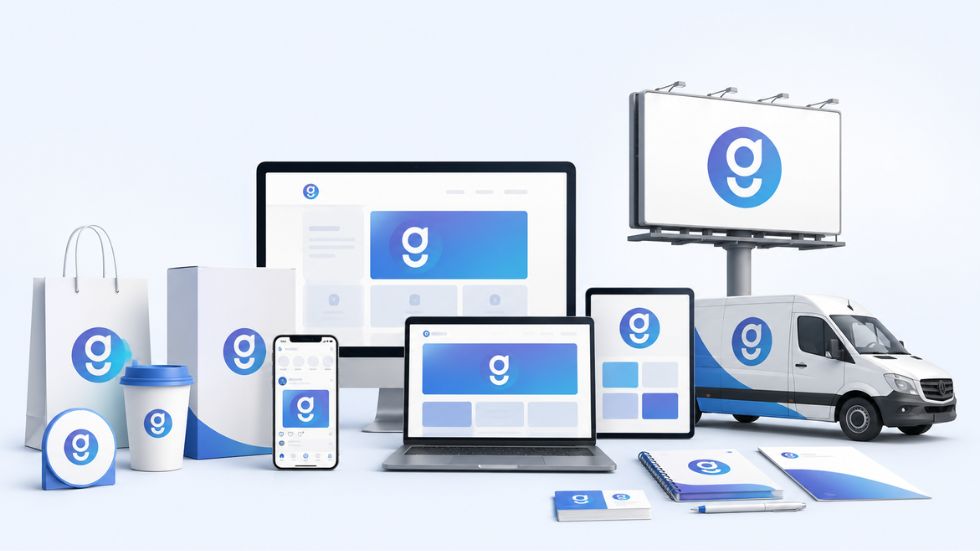
A logo rarely becomes memorable after a single exposure. Recognition develops through repetition. Every time customers encounter a logo on packaging, advertisements, websites, social media platforms, or products, they strengthen their association with the brand.
This is why consistency plays such a critical role in long-term logo success. A strong logo design works best when it is supported by consistent branding across every customer touchpoint. Website design, packaging design, graphic design, and social media marketing should all reinforce the same visual identity.
Over time, these repeated interactions transform a simple logo into something much more powerful: a symbol customers instantly connect with a specific brand experience.
Strong Logos Support a Larger Brand Story
Many businesses make the mistake of treating their logo as an isolated design element. In reality, the logo is only one part of a much larger branding system.
Customers do not interact with logos alone. They experience websites, packaging, advertisements, social content, customer service, and products. When all of these elements work together, the logo becomes a recognizable representation of the overall brand experience.
A logo gains meaning through the stories, experiences, and emotions customers associate with it. Without those connections, even the most attractive design may struggle to create lasting impact.
Adaptability Helps Logos Survive Change
Businesses evolve over time. They introduce new products, enter new markets, adopt new technologies, and attract different audiences. Logos that last for decades are often flexible enough to evolve alongside those changes.
Adaptable logos maintain their core identity while remaining functional across new platforms and formats. This has become increasingly important in the digital age, where logos must work across websites, mobile applications, social media profiles, digital advertisements, and physical products.
A design that can successfully adapt without losing recognition has a much greater chance of remaining relevant for years to come.
Emotional Connections Make Logos More Powerful
People rarely remember brands solely because of visual design. More often, they remember how those brands made them feel. Positive experiences create emotional associations that strengthen brand recall over time.
When customers consistently have good experiences with a company, the logo becomes linked to those memories. Seeing the logo later can trigger feelings of trust, satisfaction, excitement, or familiarity. These emotional connections are often what transform ordinary logos into iconic ones.
The strongest logos are not memorable because they are visually complex. They are memorable because they represent meaningful experiences that customers value.
Successful Branding Extends Beyond the Logo
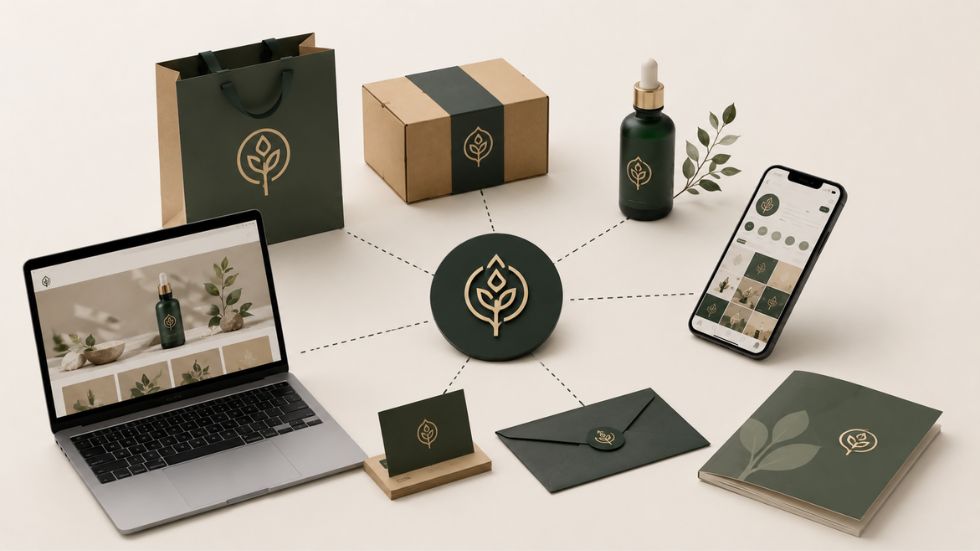
Businesses often invest heavily in logo design while overlooking the other elements that influence brand perception. A logo can only do so much on its own. Its effectiveness depends on how well it integrates into the broader brand experience.
This is one reason many businesses invest in professional D2C Branding and Packaging Design services. A cohesive branding strategy ensures that logo design, packaging design, website design, graphic design, and social media marketing all work together to create a consistent and memorable identity.
When every touchpoint reinforces the same message, customers develop stronger recognition and deeper connections with the brand.
Why Some Logos Eventually Fade Away
Most logos do not disappear because they were poorly designed. They fade because they fail to remain relevant, memorable, or connected to the evolving needs of the brand.
Some become overly tied to outdated trends. Others lose effectiveness because branding remains inconsistent across customer touchpoints. In some cases, businesses simply outgrow the identity that once represented them.
A logo’s longevity depends on more than aesthetics. It depends on its ability to support the brand through years of growth, change, and customer interaction.
The logos that last for decades are rarely the result of luck. They are built on strategic thinking, clear brand positioning, simplicity, consistency, and adaptability. While visual design plays an important role, lasting logos succeed because they become symbols of meaningful customer experiences.
Businesses often focus on creating logos that look impressive today. The more important challenge is creating logos that will still feel relevant years from now. When logo design is supported by strong branding, consistent packaging design, effective website design, thoughtful graphic design, and strategic social media marketing, it becomes much easier to create an identity that customers remember.
The logos that stand the test of time are not necessarily the most complex or trendy. They are the ones that continue telling the same compelling brand story year after year.
