
Ask someone to draw the logo of a well-known brand from memory, and chances are they can sketch at least part of it. They may not remember every detail perfectly, but they’ll recognize the shape, symbol, or overall look almost instantly.
That’s the power of a memorable logo.
What’s interesting is that the most recognizable logos are often not the most complicated ones. In fact, many of the world’s most memorable logos rely on a handful of carefully considered design principles rather than elaborate graphics. They stand the test of time because they are built to be remembered, not just admired.
Simplicity Makes Recognition Easier
One of the biggest reasons certain logos stay in people’s minds is simplicity. When a design contains too many elements, intricate details, or competing visual messages, it becomes harder for the brain to process and recall.
Simple logos are easier to recognize because they reduce visual noise. They communicate a clear idea without forcing people to spend time figuring out what they’re looking at. This doesn’t mean a logo should be boring. It means every element should have a purpose.
Many timeless logos prove that simplicity is often more powerful than complexity. The easier a logo is to understand, the easier it becomes to remember.
Memorable Logos Have a Clear Concept
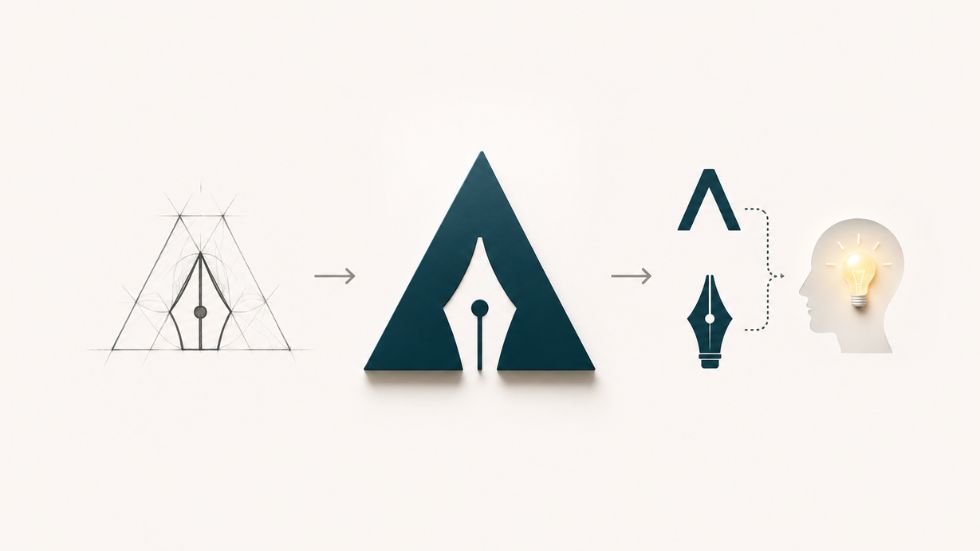
A logo becomes much stronger when it is built around a meaningful idea rather than decoration alone. Some of the most successful logos contain subtle concepts, hidden symbolism, or visual connections that reinforce the brand’s message.
These concepts do not need to be obvious at first glance. In fact, discovering them later can make a logo even more memorable. A thoughtful design creates an additional layer of meaning that helps strengthen the connection between the visual identity and the brand itself.
When a logo communicates something meaningful, it becomes more than just a graphic. It becomes part of the brand’s story.
Distinctiveness Helps Brands Stand Out
Every industry has visual trends. Certain colors, shapes, and design styles become popular within specific categories, making many competitors start to look surprisingly similar.
A memorable logo avoids blending into the crowd. It introduces something distinctive that separates the brand from others without becoming overly complicated or difficult to understand. This uniqueness helps customers identify the brand more quickly in a crowded marketplace.
The goal is not to look different simply for the sake of being different. The goal is to create a visual identity that feels uniquely connected to the brand and difficult to confuse with anyone else.
Versatility Is Essential
A logo might look impressive on a large billboard, but can it still work on a social media profile picture, a mobile app icon, or a business card? If not, its effectiveness becomes limited.
Timeless logos are designed with flexibility in mind. They remain recognizable across different sizes, formats, and platforms without losing their clarity. Whether viewed on a website, product packaging, digital advertisement, or storefront sign, the logo should maintain its impact.
As brands continue to operate across an increasing number of digital and physical touchpoints, versatility has become one of the most important qualities of effective logo design.
Strong Logos Create Emotional Associations
People often remember logos because of the experiences, feelings, and stories connected to them. Over time, the visual mark becomes associated with everything the brand represents.
This is why a logo alone cannot create a strong brand. However, it can become a powerful symbol of the trust, quality, reliability, and emotions customers experience when interacting with the business.
When people see a familiar logo and immediately think of positive experiences, the design has achieved something much greater than visual recognition. It has become emotionally meaningful.
Timeless Design Avoids Chasing Trends
Design trends can be exciting. Every few years, new styles emerge that quickly become popular across branding, packaging, websites, and marketing materials.
The challenge is that trends eventually fade. Logos designed entirely around current trends often begin looking outdated once those trends lose popularity. A logo that feels modern today may feel old-fashioned surprisingly quickly.
Timeless logos focus on enduring design principles rather than temporary visual fashions. They may evolve gradually over time, but their core identity remains strong regardless of changing trends.
Typography Plays a Bigger Role Than Many Realize
When logos include text, typography becomes one of the most important design decisions. The choice of font influences how people perceive the brand’s personality and positioning.
A luxury brand may use elegant typography to communicate sophistication. A technology company may choose clean, modern letterforms to suggest innovation and simplicity. Even subtle adjustments to spacing, weight, and proportions can affect how memorable a logo feels.
Great typography doesn’t simply display a name. It becomes part of the visual identity itself and helps strengthen recognition over time.
Consistency Strengthens Memory
Even the best logo cannot become memorable if people rarely see it or encounter it in inconsistent ways. Recognition develops through repetition and familiarity.
When a logo appears consistently across websites, packaging, social media, advertisements, and customer experiences, it gradually becomes embedded in the audience’s memory. Each interaction reinforces the visual association between the logo and the brand.
This is why branding consistency matters so much. The logo serves as the visual anchor that connects every customer touchpoint together.
Also Read: Brand Messaging Across Different Platforms: Maintaining Consistency
A Memorable Logo Reflects the Brand, Not Just Design Trends
One of the biggest misconceptions about logo design is that success depends entirely on visual creativity. In reality, the strongest logos succeed because they reflect something authentic about the brand itself.
A logo should support the company’s personality, values, positioning, and long-term goals. When the design genuinely aligns with what the brand represents, it feels more natural, more believable, and ultimately more memorable.
The most successful logos are not remembered simply because they look good. They are remembered because they consistently represent something meaningful to the people who encounter them.
Memorable logos are rarely the result of chance. They are built through a combination of simplicity, clarity, distinctiveness, versatility, and meaningful design decisions that support the brand behind them.
While trends, colors, and visual styles may change over time, the principles that make a logo memorable remain remarkably consistent. The strongest logos communicate clearly, work across different environments, and create lasting associations in the minds of customers.
A great logo does more than identify a business. It becomes a symbol that helps people recognize, remember, and connect with a brand for years to come.
FAQs
1. What makes a logo memorable?
A memorable logo is typically simple, distinctive, easy to recognize, versatile, and connected to a meaningful brand concept.
2. Why are simple logos often more effective?
Simple logos are easier for people to process, recognize, and recall, making them more effective for long-term brand recognition.
3. Should a logo follow current design trends?
A logo can incorporate modern design principles, but relying too heavily on trends may cause it to look outdated in the future.
4. Why is versatility important in logo design?
A versatile logo works effectively across websites, social media, packaging, print materials, and other platforms without losing clarity or recognition.
5. Can a logo alone build a strong brand?
No. A logo supports brand recognition, but trust, reputation, customer experience, and consistent branding are what ultimately create a strong brand.
