
Imagine walking into a beautifully designed store. The lighting is perfect, the colors are appealing, and everything looks modern and professional. But after a few minutes, you realize you can’t find what you’re looking for. The aisles are confusing, there are no signs to guide you, and asking for help feels impossible.
No matter how attractive the store looks, the experience quickly becomes frustrating.
The same thing happens with websites. Many businesses focus heavily on making their website visually impressive, assuming that good design is all about appearance. While aesthetics certainly matter, truly effective website design goes much deeper than colors, images, and layouts.
A website’s real job is not just to look good. Its job is to help visitors find information, build trust, and take action without confusion or frustration.
First Impressions Matter, But They Are Only the Beginning
When someone lands on a website, they form an opinion within seconds. A clean, modern design can immediately make a business appear more professional, credible, and trustworthy. In many cases, visitors decide whether to stay or leave before reading a single word.
This is why visual design remains important. Strong typography, balanced layouts, thoughtful use of color, and professional imagery help create a positive first impression. They communicate that the business cares about quality and attention to detail.
However, attracting attention is only the first step. If visitors struggle to navigate the website or find the information they need, even the most beautiful design can fail to achieve its purpose.
Good Design Makes Navigation Feel Effortless

Think about the websites you enjoy using most. Chances are you rarely notice how well they are designed because everything feels intuitive. You know where to click, how to find information, and what to do next without having to think about it.
That simplicity is not accidental. It is the result of thoughtful design decisions focused on user experience rather than decoration alone.
Good website design removes obstacles between visitors and their goals. Whether someone wants to learn about a service, make a purchase, or contact a business, the path should feel clear and straightforward from beginning to end.
User Experience Shapes How People Feel About a Brand
Most people don’t separate their experience with a website from their perception of the brand itself. If a website feels slow, confusing, or outdated, visitors often assume the company behind it operates the same way.
On the other hand, a smooth and enjoyable experience creates positive associations. Visitors begin to see the brand as reliable, organized, and professional because every interaction feels easy and well-considered.
This is why website design plays such an important role in branding. The experience users have while navigating a website often influences their trust in the business more than the visual appearance alone.
Also Read: How Consumer Behavior Influences Brand Strategy
Speed and Performance Are Part of Design
When people think about website design, they often picture colors, layouts, and graphics. What they don’t always consider is that performance is also a major part of the design experience.
A visually stunning website means very little if pages take too long to load. Modern users expect information almost instantly, and even small delays can cause frustration. In many cases, visitors leave before the website has a chance to communicate its value.
Good design balances aesthetics with functionality. The goal is to create something that looks impressive while remaining fast, responsive, and easy to use across different devices.
Mobile Experience Can No Longer Be Ignored
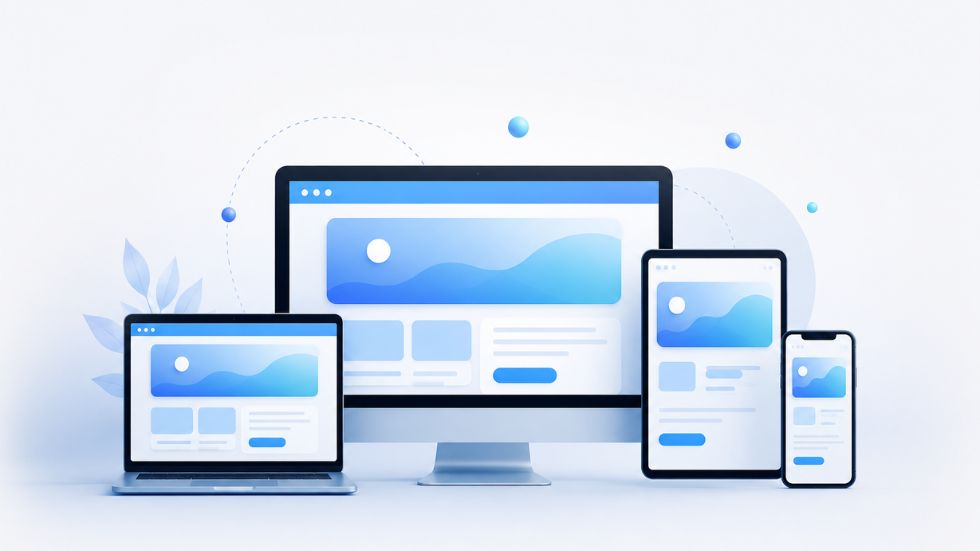
Not long ago, websites were primarily designed for desktop computers. Today, a large percentage of users visit websites through smartphones and tablets, often making mobile experiences more important than desktop experiences.
A website that looks perfect on a large screen but feels awkward on a phone can create a poor experience for a significant portion of visitors. Text may become difficult to read, buttons may be hard to tap, and navigation can feel frustrating.
Modern website design must adapt seamlessly across different screen sizes. Visitors should enjoy the same smooth experience regardless of how they access the website.
Design Helps Build Trust

Imagine searching for a service online and finding two companies offering similar solutions. One website looks modern, organized, and professional. The other feels cluttered, outdated, and difficult to navigate.
Even if both companies provide excellent services, most people will naturally trust the first one more.
Website design influences credibility because visitors often use visual and functional cues to evaluate professionalism. Clean layouts, consistent branding, clear messaging, and organized information help reassure users that they are dealing with a legitimate and trustworthy business.
Every Design Decision Influences Conversions
A website is not simply an online brochure. It is often a tool designed to generate inquiries, sales, bookings, subscriptions, or other actions.
This means every design decision should support those goals. The placement of buttons, the structure of pages, the clarity of content, and the overall user journey all influence whether visitors take the next step.
Good website design guides people naturally toward action without making the experience feel forced. It helps users make decisions confidently by removing friction and providing clarity at every stage.
Great Design Solves Problems

One of the biggest misconceptions about website design is that it exists primarily to make things look attractive. In reality, the best designers spend much of their time solving problems.
They think about how visitors move through a website, where confusion might occur, what information people need most, and how to create a smoother experience. The visual appearance supports these goals, but it is not the only focus.
When design successfully solves user problems, visitors often don’t notice the design itself. They simply enjoy the experience and achieve what they came to do.
Good website design is about much more than visual appeal. While aesthetics help create strong first impressions, the true value of design lies in how effectively it supports the user experience.
From navigation and performance to mobile responsiveness and trust-building, every element contributes to how visitors interact with a brand online. A beautiful website may attract attention, but a well-designed website keeps people engaged and helps them take meaningful action.
The most successful websites are not necessarily the ones that look the most impressive. They are the ones that make every interaction feel simple, intuitive, and valuable for the people using them.
FAQs
1. Why is website design important for businesses?
Website design influences first impressions, user experience, credibility, and conversion rates, making it an important part of overall business success.
2. Is visual appearance the most important part of website design?
No. While visual appeal matters, navigation, usability, performance, and functionality are equally important for creating a positive user experience.
3. How does website design affect trust?
Professional and organized websites often appear more credible, helping visitors feel confident about interacting with the business.
4. Why is mobile-friendly design important?
A large percentage of website traffic comes from mobile devices, making responsive design essential for providing a smooth experience across all screen sizes.
5. How does website design influence conversions?
Good design helps visitors find information easily, reduces friction, and guides users toward actions such as purchases, inquiries, or bookings.
