
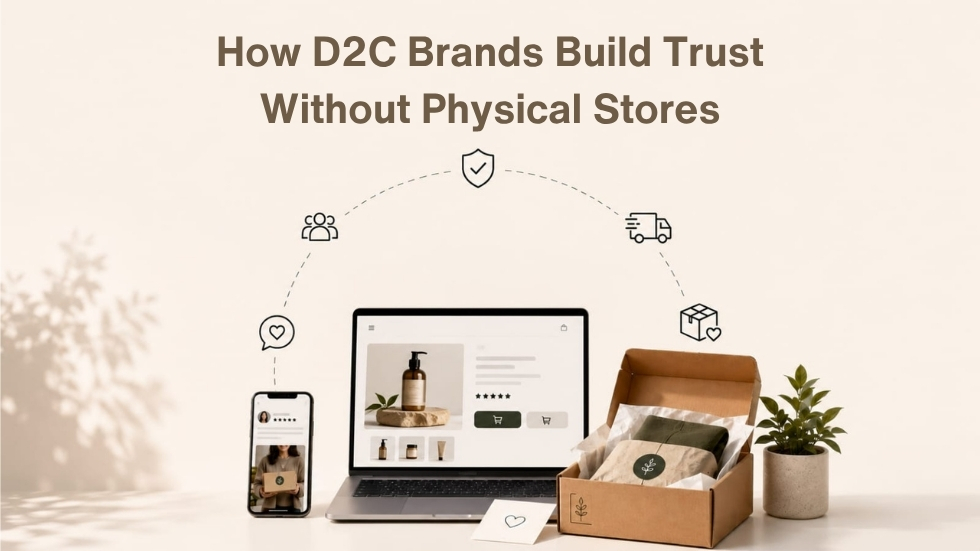
Imagine discovering a brand you’ve never heard of before. You scroll through its Instagram page, land on its website, browse a few products, and pause for a moment before clicking “Buy Now.” There’s no physical store to visit, no salesperson to answer your questions, and no opportunity to touch the product. In that single moment, D2C Branding becomes the deciding factor. Every visual, every interaction, and every detail either builds confidence or creates doubt.
For traditional businesses, trust often begins inside a store. Customers can examine products, ask questions, and walk away with a purchase in hand. D2C brands don’t have that luxury. Instead, they have to recreate the same feeling of confidence entirely through digital experiences. The challenge isn’t simply convincing someone to buy a product. It’s making them feel secure enough to buy from a brand they’ve never met before.
First Impressions Matter More Than Ever
The first few seconds on a brand’s website often determine whether a visitor stays or leaves. A clean interface, intuitive navigation, high-quality product images, and clear messaging immediately signal professionalism. This is where thoughtful website design plays a major role. A polished website tells customers that the brand values quality, pays attention to detail, and is committed to providing a smooth shopping experience from start to finish.
Visual consistency strengthens that first impression even further. When the logo, typography, colors, photography, and messaging all work together, customers subconsciously perceive the business as established and reliable. In contrast, inconsistent visuals or confusing layouts create uncertainty, making visitors question whether they can trust the company with their money.
Also Read: Why Visitors Leave a Website Within Seconds
Your Brand Identity Speaks Before You Do
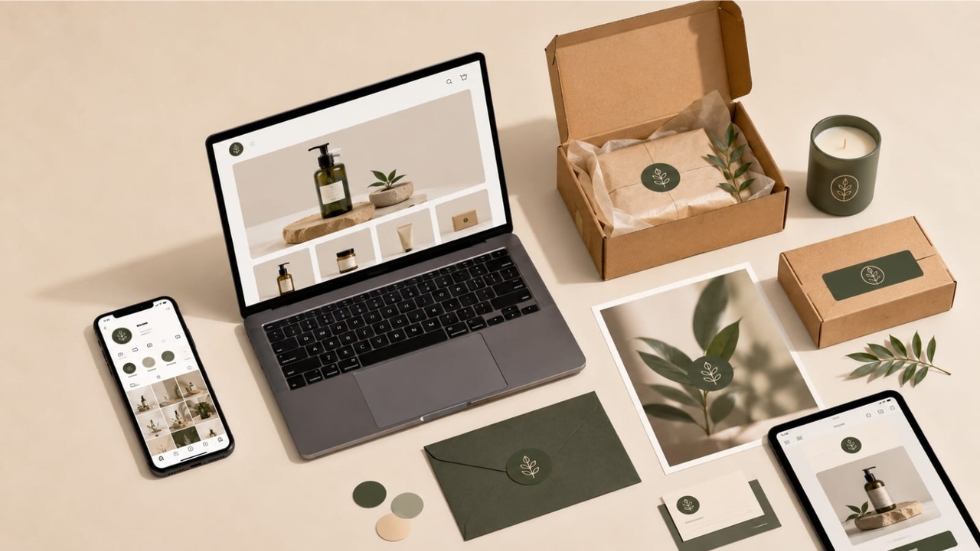
Think about the brands you instantly recognize. Before reading their name, you probably recognize their colors, logo, or overall style. That’s the power of a strong visual identity. Effective logo design is more than creating an attractive symbol. It’s about building familiarity that customers remember every time they interact with your business.
For D2C brands, consistency across every platform matters just as much as creativity. Whether someone discovers the brand on social media, visits the website, opens an email, or receives an order, the experience should feel connected. That consistency reassures customers that they’re dealing with a legitimate business that pays attention to every detail.
Packaging Becomes Part of the Trust-Building Journey
The first physical interaction a customer has with a D2C brand usually happens when the package arrives at their doorstep. Until then, everything has existed on a screen. That’s why D2C packaging design has become such an important extension of the brand experience. A thoughtfully designed package transforms a simple delivery into a memorable moment that reinforces the customer’s decision to buy.
Great packaging doesn’t need to be extravagant to make an impact. High-quality materials, organized presentation, protective inserts, and cohesive branding all communicate professionalism. Customers notice when a brand has invested in these details because they signal care, quality, and reliability. Many businesses even work with an experienced packaging design company to ensure every shipment reflects the same standards shown online.
Also Read: How D2C Packaging Supports Brand Recognition
Transparency Creates Confidence

One of the biggest reasons customers hesitate before purchasing from an unfamiliar D2C brand is uncertainty. Questions naturally arise. Is the product actually good? What if it doesn’t fit? Can I return it? Brands that answer these concerns openly remove friction from the buying process and make customers feel respected rather than pressured.
Clear product descriptions, honest pricing, transparent shipping timelines, return policies, FAQs, and customer reviews all contribute to building confidence. Rather than hiding behind marketing language, trustworthy brands provide the information customers need to make informed decisions. Transparency often becomes more persuasive than any promotional campaign because it demonstrates honesty instead of simply making promises.
Social Proof Builds Credibility
People trust people. Before making a purchase, many customers actively search for reviews, testimonials, user-generated content, or real customer photos. These experiences reduce uncertainty because they show that others have already taken the same journey and were satisfied with the outcome.
This is why successful D2C brands continuously encourage customers to share feedback, post photos, and leave reviews. Authentic content feels more believable than polished advertisements because it reflects genuine experiences. Over time, this growing collection of social proof becomes one of the strongest trust signals a brand can have.
Every Interaction Either Builds or Breaks Trust
Trust isn’t created through a single design element or marketing campaign. It’s built through hundreds of small interactions that work together. A fast-loading website, responsive customer support, consistent branding, thoughtful packaging, timely delivery, and helpful communication all reinforce the same message. This brand keeps its promises.
Behind many successful D2C businesses is a team that understands how these pieces connect. A skilled graphic design company doesn’t simply create attractive visuals. It helps shape experiences that customers remember and return to. Every touchpoint contributes to a larger story about the brand’s reliability and professionalism.
Trust Doesn’t End After the First Purchase
Winning a customer’s first order is only the beginning. Long-term success comes from giving customers reasons to return. Follow-up emails, personalized recommendations, loyalty programs, responsive support, and consistently high product quality all strengthen the relationship beyond the initial sale.
Customers who trust a brand don’t just make repeat purchases. They recommend it to friends, leave positive reviews, and become loyal advocates. In the world of D2C commerce, that loyalty often becomes the most valuable marketing strategy because satisfied customers naturally spread the word.
Building trust without a physical store may seem challenging, but it’s entirely possible when every part of the customer experience works together. Strong branding, professional website design, thoughtful packaging, transparent communication, and consistent customer experiences create the confidence shoppers need to click “Buy Now.”
The most successful D2C brands understand that trust isn’t built through a single interaction. It’s earned through every visual, every conversation, and every delivery. When customers consistently experience reliability at every touchpoint, they stop seeing the business as just another online store and start viewing it as a brand they can genuinely rely on.
