
Not too long ago, brand communication sounded extremely polished and formal. Companies carefully controlled every advertisement, campaign, and public message because maintaining a professional image was considered the most important part of branding.
But social media completely changed the way people communicate online.
Audiences no longer connect with overly corporate language or perfectly scripted marketing. They prefer conversations that feel natural, relatable, and emotionally human. That shift gave social media creators enormous influence over how modern brands communicate today.
Now, many companies sound less like businesses and more like real people because creators reshaped what audiences expect from online communication.
Brand Voice Became More Conversational
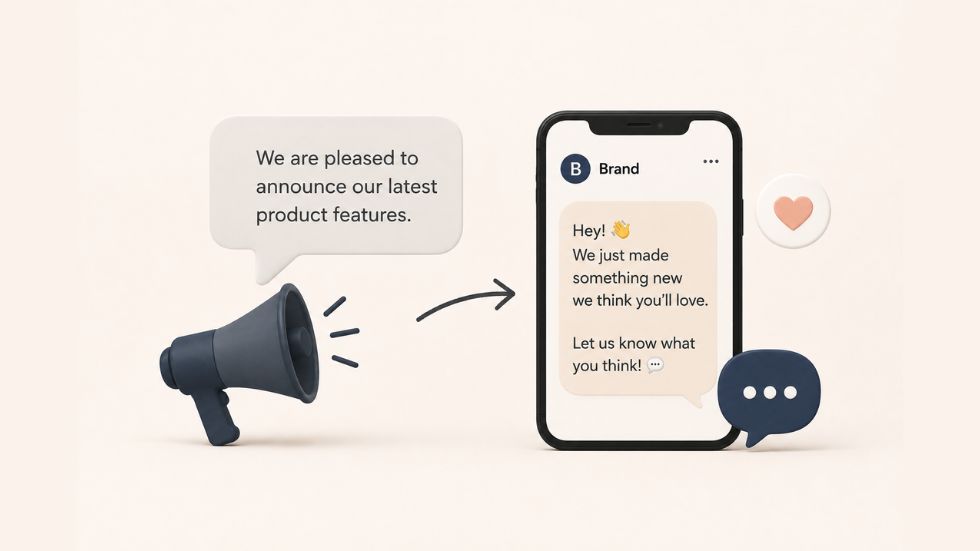
Traditional marketing focused heavily on sounding professional and polished at all times. But creators introduced a very different communication style through platforms like Instagram, TikTok, and YouTube.
People became more comfortable with casual captions, relatable humor, storytelling, memes, and everyday language. Audiences naturally started engaging more with content that felt authentic instead of carefully rehearsed or overly formal.
Brands quickly noticed this shift in audience behavior.
Instead of sounding distant or robotic, companies slowly adapted their tone to feel more approachable and emotionally relatable online. Today, many brands communicate almost like friends because conversational branding creates stronger emotional connection.
Creators Made Authenticity More Important
One of the biggest reasons creators influence brand voice so strongly is because audiences now value authenticity more than perfection. Social media made people much more aware of what feels real and what feels forced online.
Perfectly scripted advertisements often feel emotionally disconnected compared to creators sharing honest opinions, personal experiences, and realistic moments from everyday life.
This completely changed how brands communicate.
Instead of constantly trying to sound flawless, companies now focus more on transparency, storytelling, and emotional connection because audiences respond better to communication that feels genuine and natural.
The more human a brand voice feels, the easier it becomes for people to emotionally trust the company behind it.
Humor Became Part of Branding
Years ago, most companies avoided humor because they wanted to maintain a serious and professional image. But creators completely changed that mindset through entertaining and personality-driven content online.
Funny videos, relatable jokes, trending sounds, memes, and playful communication became part of everyday social media culture. Audiences naturally connected more with creators who felt emotionally engaging and entertaining.
Brands eventually started adapting to this shift.
Today, many companies use humor to make their communication feel lighter, more relatable, and easier to engage with across platforms like Instagram, TikTok, and X. In many cases, humor now feels like part of the brand personality itself.
Social Media Changed How Brands Speak
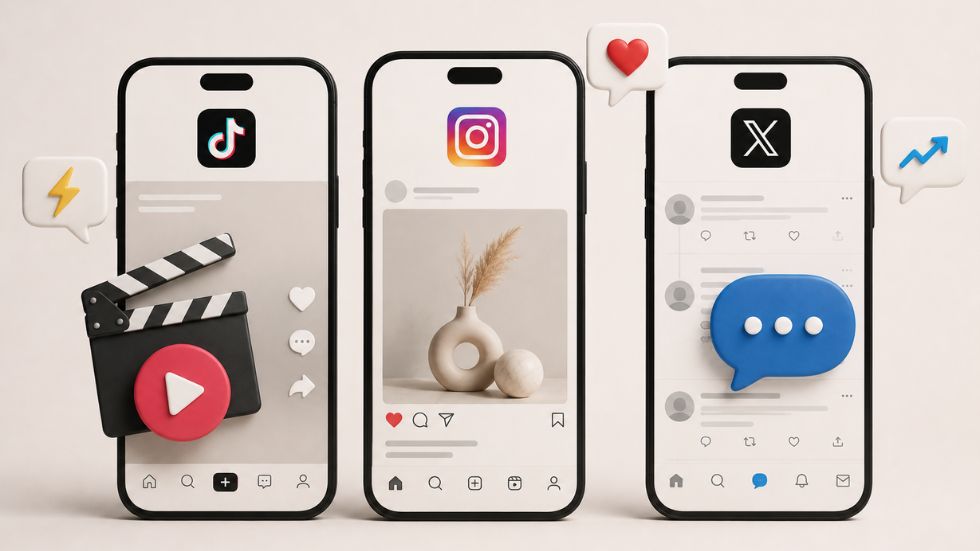
Every social platform developed its own communication style because creators shaped how audiences interact there.
TikTok encouraged fast, casual, personality-driven content. Instagram pushed aesthetic storytelling and lifestyle-focused communication. X became more conversational, witty, and reactive to trends happening in real time.
As creators influenced these online cultures, brands had to adjust their voice accordingly.
Companies could no longer use the same tone everywhere because audiences expected communication styles that matched each platform naturally. This is why modern brand voice feels much more adaptive and flexible than traditional marketing communication ever was.
Creators Influence Brand Personality
Today, creators do much more than simply promote products. They influence how audiences emotionally perceive brands online.
When a creator consistently collaborates with a company, their personality often starts blending with the brand itself. A fun creator can make a brand feel energetic and youthful, while a calm lifestyle creator can make the same brand feel minimal, elegant, and sophisticated.
This is exactly why brands now carefully choose creators whose tone, values, communication style, and audience align with their image.
Over time, the creator’s voice slowly becomes part of the brand voice itself.
Also Read: How Influencers Shape Modern Brand Identity
Audiences Expect Interaction, Not Just Advertising
Social media creators built strong communities by interacting directly with their audiences through comments, livestreams, replies, and conversations. That completely changed what people expect from brands online today.
Audiences no longer want companies that only post advertisements or promotional campaigns. They expect interaction, personality, responsiveness, and real-time engagement from brands as well.
Even small things like replying to comments or joining online conversations now influence how audiences emotionally perceive a company.
Because of creators, communication became a two-way experience instead of a one-sided marketing message controlled entirely by brands.
Trends Move Faster Because of Creators
Creators also accelerated how quickly communication trends change online. A phrase, editing style, joke format, audio trend, or type of humor can become popular across social media almost overnight.
Brands now constantly adapt their communication style to stay culturally relevant and visible online.
But audiences can also immediately recognize when companies try too hard to follow trends without understanding them properly. Forced slang, outdated memes, or unnatural humor can quickly make communication feel awkward and inauthentic.
That’s why the biggest challenge for brands today is balancing relevance with authenticity while still maintaining their identity.
The Future of Brand Voice Is More Human
The biggest change creators brought to branding is that audiences now expect companies to feel emotionally human rather than overly corporate.
People connect more with brands that sound relatable, transparent, interactive, personality-driven, and emotionally aware instead of distant and polished all the time.
This does not mean professionalism disappeared completely. It simply means modern branding now values emotional connection just as much as marketing strategy and visual identity.
And social media creators played one of the biggest roles in shaping that transformation.
Social media creators completely reshaped how brands communicate online. They transformed brand voice from formal corporate messaging into something more conversational, relatable, interactive, and emotionally engaging.
Today, audiences expect brands to sound human because creators normalized authentic communication across every social platform. Companies can no longer rely only on polished advertisements to build connection and trust.
The brands that succeed now are the ones that understand how people naturally communicate online and use their voice to create genuine emotional relationships with audiences.
FAQs
1. What is brand voice?
Brand voice is the personality, tone, and communication style a brand uses across platforms and marketing channels.
2. How do social media creators influence brand voice?
Creators shape online communication trends, audience expectations, and the way brands interact with people digitally.
3. Why are brands becoming more conversational online?
Audiences engage more with communication that feels relatable, natural, and emotionally authentic.
4. How does humor help brand voice?
Humor makes brands feel more approachable, memorable, and emotionally engaging on social media.
5. Why is authenticity important in modern branding?
Authentic communication builds stronger trust and helps audiences connect more naturally with brands.
